|
As we begin a new school year, it's important to recognize September as Suicide Prevention Awareness Month. This month serves as a vital reminder to prioritize the mental health and well-being of our students, staff, and community members.
The start of the school year brings new challenges and stresses, making it an ideal time to foster a culture of care and connection. Prevention starts with creating an educational environment where students feel a sense of belonging and safety. ODE's Care and Connection Toolkit provides guidance and activities for creating welcoming spaces and promoting health and well-being. NWRESD's BASES Collaboratives (info below) take this a step further and provide school teams the opportunity to assess their own systems and identify strengths and areas for growth in order to ensure all students and staff feel supported.
Recognizing the critical need to equip our school staff and community partners with the tools they need to support our students effectively, we are expanding our training opportunities in mental health and suicide prevention, focusing on practical strategies for identifying risk factors and warning signs, intervening early, and responding effectively. Unless otherwise noted, these trainings are open to all school staff and community partners in our region.
Additionally, consultation and coaching is available to support teams in completing or updating comprehensive Suicide Prevention, Intervention, and Postvention Plans (required by Adi's Act) and ensuring that staff have access to the necessary training. Suicide can impact anyone, and it's vital that we come together to break the silence and stigma surrounding mental health.
Neha Hertzog
School Safety & Prevention Specialist
|
|
|
Applied Suicide Intervention Skills Training (ASIST)
ASIST is an in-depth, two-day workshop that teaches participants to recognize when someone may have thoughts of suicide and work with them to create a plan that will support their immediate safety using LivingWorks’ evidence-based Pathway for Assisting Life (PAL) model.
|
Youth Mental Health First Aid
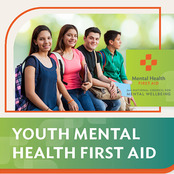
Youth Mental Health First Aid (YMHFA) is a one-day workshop that introduces participants to the unique risk factors and warning signs of mental health challenges in youth, builds understanding of the importance of early intervention, and teaches individuals how to help youth in crisis or experiencing a mental health challenge. YMHFA uses role-playing and simulations to demonstrate how to assess a mental health crisis; select interventions and provide initial help; and connect young people to professional, peer, social, and self-help care. This training is appropriate for any professionals working with youth, and especially those without extensive mental health training.
|
Behavior, Attendance, & Social Emotional Systems (BASES)
This series of three professional learning and collaboration sessions will focus on Behavior, Attendance, & Social Emotional Systems (BASES) through an MTSS lens. Some of the topics that will be covered throughout the series include culturally responsive practices that support historically marginalized students, tools for SEL and behavior data collection and analysis, policies and discipline practices, ideas for incorporating Oregon's new Transformative SEL framework across academic disciplines, and strategies for responding to and preparing for expected and unexpected events (e.g., the election).
Each session will be held twice, once in Seaside and once in Hillsboro. Participants should register for one date for each session. Hillsboro is almost at capacity for September; we strongly encourage those who are able to attend in Seaside!
|
Connect Postvention (Tillamook County)
Connect Postvention Training helps first responders, school staff, and community organizations respond in a coordinated and comprehensive way in the aftermath of a suicide or any sudden death. This two-day event will be held in Tillamook County on October 21-22. Day 1 will cover strategies for reducing the risk of contagion, suicide-related grief at different ages, recommendations for funerals and memorial activities, and best practices for media reporting and safe messaging. Day 2 will be a structured postvention planning day for Tillamook County.
|
Sexual Incident Response Training

This comprehensive training on November 1 covers a systematic school-based approach to identifying and addressing sexually concerning behavior in schools, including when schools are legally and ethically obligated to respond, plans for supervision and safety, effective collaboration between schools and community partners, and implications for federal guidelines around FAPE, Title IX, and IDEA.
|
School Safety and Mental Health Summit
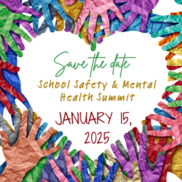
Registration is now open for our annual School Safety and Mental Health Summit on January 15, 2025! Our virtual summit will focus on creating environments where all students feel a sense of safety and belonging. These topics include integrated models of mental health, community partnerships and collaboration, multi-tiered systems of support, strengths and resilience, crisis intervention, and structural barriers. More details will be shared later this fall; reserve your spot now!
|
Behavioral Safety (Threat) Assessment Training
Behavioral Safety Assessment Team (BSAT) training is a comprehensive training that focuses on building a sustainable, community-based violence prevention, threat management, and behavioral safety assessment system composed of school site-based Level 1 teams and a community-based Level 2 team. This year, we are offering both Level 1 and Level 2 training on April 3-4, 2025. School staff and community partners supporting school safety and mental health are encouraged to attend.
|
|
|
|
|
|