|
NEW YEAR, NEW RULES!
The Oregon Food Sanitation Rules are updating to help align with current national food safety standards. This newsletter will discuss some of those updates, but consider reviewing the following documents to see which changes may impact your food facility:
PHF to TCS
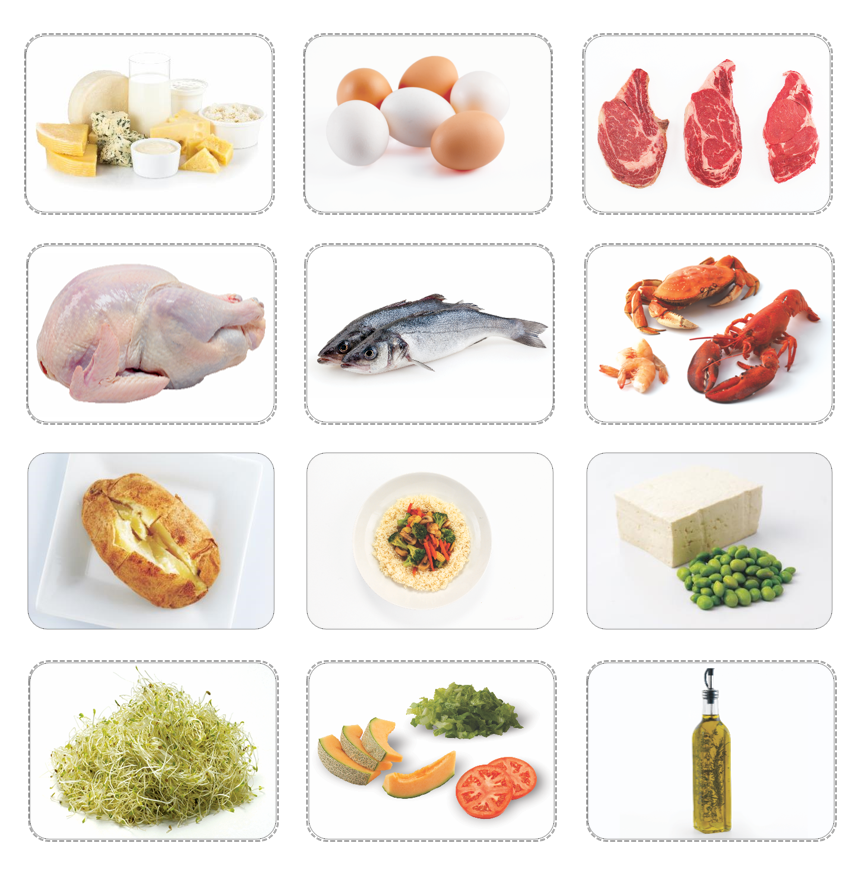
One minor wording change you may see is the use of the term "TCS" food. This is used to describe foods that require time/temperature control for safety (see examples below). Note: TCS will replace the previously used term potentially hazardous food (PHF).
Certified Food Protection Manager
 The Certified Food Protection Manager (CFPM) requirement is something that will impact all food facilities. A CFPM receives a higher level of training than someone with a standard food handler card. They will review topics such as:
- Managing food safety practices
- Handling illness concerns from staff and customers
- Safe ordering, receiving, storing, preparing and serving of food
- Cleaning and sanitation
- Proper maintenance of the facility and equipment
CFPM certificates are valid for 5 years, compared to 3 years for a food handler card. These certificates are also nationally recognized, meaning they can be used in different states.
HOW TO BECOME A CFPM?
There are several approved courses available that offer the managers certificate. Both online and in-person options are available. You can find a list of approved classes here.
Our office also provides an in-person training once every quarter in Salem. Please see the Food Manager Training Course section below for more details.
HOW MUCH WILL IT COST?
The cost will vary depending on the accredited program you choose and the type of course you enroll in. It can range from as low $30 to $180 or more. Some programs offer a Training Only option, an Exam Only option, or a combination of both that may include additional add-ons. Some programs may also charge an exam retake fee if you do not pass.
WHEN DOES THIS NEED TO BE COMPLETED?
The certified food protection manager requirement has two phases:
- By 2029, at least one staff member in each food facility must become a CFPM.
- By 2031, at least one person working each day will need to be a CFPM.
Handwashing Temperature
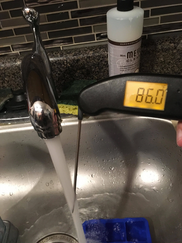
On a lighter note, the minimum water temperature for handwashing has been reduced from 100°F to 85°F. The idea is to keep water comfortably warm so people wash their hands properly. Soap and scrubbing do the work to remove germs from the hands, not extra-hot water.
|
Preventing Hand Contamination
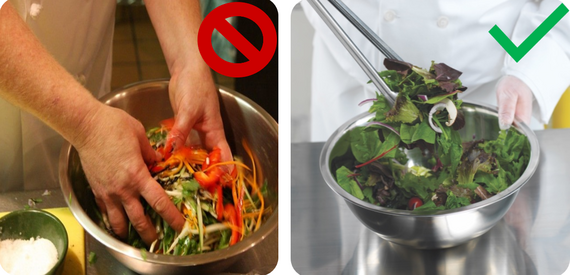 Food handlers are no longer allowed to touch ready-to-eat foods with their bare hands. Use tools such as tongs, deli paper, utensils, toothpicks, and/or non-latex gloves to handle ready-to-eat food
WHICH FOODS DOES THIS APPLY TO?
|
Ready-To-Eat Foods (no bare hands) |
Non Ready-To-Eat Foods (bare hands ok) |
- Washed fruits
- Garnishes for drinks and plates: (lemon wedges, limes, olives, mint leaves, seeds & nuts, etc)
- Toppings for burgers, tacos, ramen, pho, baked potatoes, salads, etc
- may include sliced/shredded cheese, tomatoes, lettuce and other cut leafy greens, onions, sprouts, and cilantro.
- Sandwich fixings
- Sushi
- Cooked fried foods (french fries, chimichanga, donuts, etc)
- Pastries and baked goods
|
- Raw meats, fish, and eggs
- Uncooked pizza toppings
- Unwashed produce
- Raw vegetables that will be cooked (potatoes, green beans, squashes, etc)
- Uncooked rice and pasta
- Uncooked dough and masa
- Uncooked beans and lentils
- Cheese that will be cooked (for dishes like grilled cheese, quesadillas, macaroni and cheese, lasagna, fondue, etc)
- Seasonings and herbs for foods that will be cooked
|
Facilities that want to continue touching ready-to-eat foods with their bare hands must create a written plan and obtain approval from the Oregon Health Authority.
Clean Up of Vomit & Diarrhea
All food facilities must have written steps for staff to follow when responding to vomit and diarrhea situations. You can make your own plan or use a pre-existing one if it works for your facility.
Below are some examples you may use for guidance:
Cleaning Agents and Sanitizers
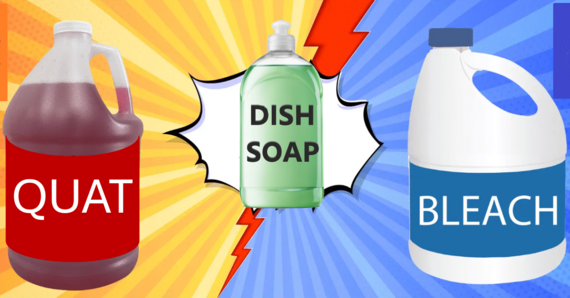 Dishwashing detergent and chemical sanitizers must always be available and ready to use in a food facility – even if dishes or equipment are not currently being washed. This is the same expectation as keeping soap and paper towels available at handwashing sinks.
Note: the chemical sanitizer requirement does not apply to facilities that only use high-heat for sanitizing their food contact surfaces.
High-Temperature Dishwashers
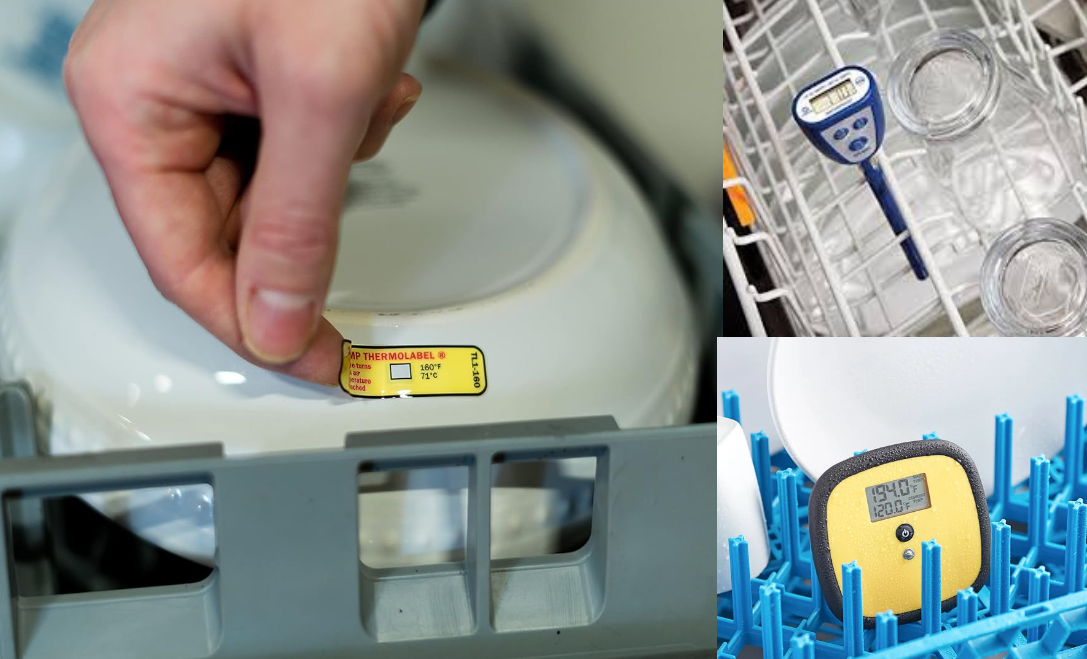 Facilities that use high-heat dishwashing machines must provide a thermometer or temperature strip to confirm dishes reach the required temperature. As with other thermometers, it must be easy to find and accessible at all times.
Cooling Cooked Food
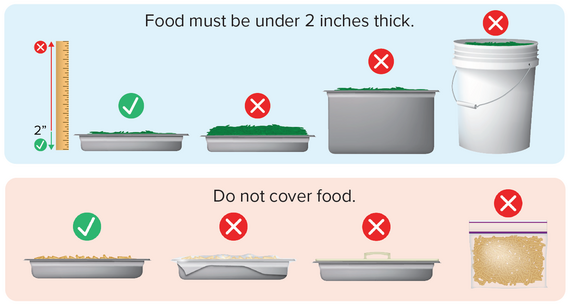 Hot foods must now be cooled:
- Uncovered
- In shallow layers (2 inches deep or less)
- Under refrigeration that stays at 41°F (5°C) or colder, and
-
Away from contamination
Cooling requirements have not changed: cool food from 135°F to 70°F within 2 hours, and from 70°F to 41°F within the next 4 hours.
Thawing Fish
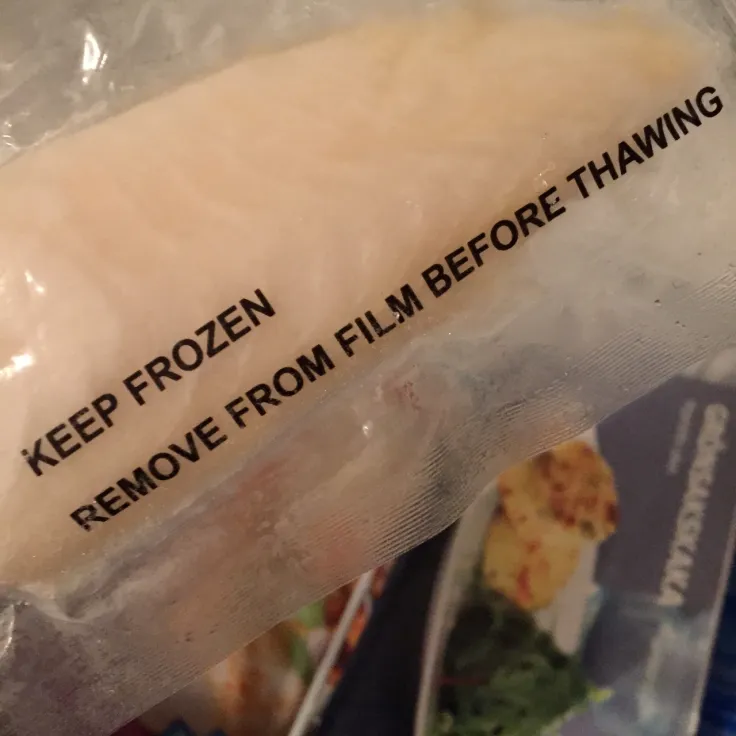
Vacuum sealed fish that is labeled "Keep Frozen" must be thawed using one of the methods below:
- Remove fish from its packaging before placing in the refrigerator.
- Remove fish from its packaging before or immediately after thawing under running water.
Records for Molluscan Shellfish
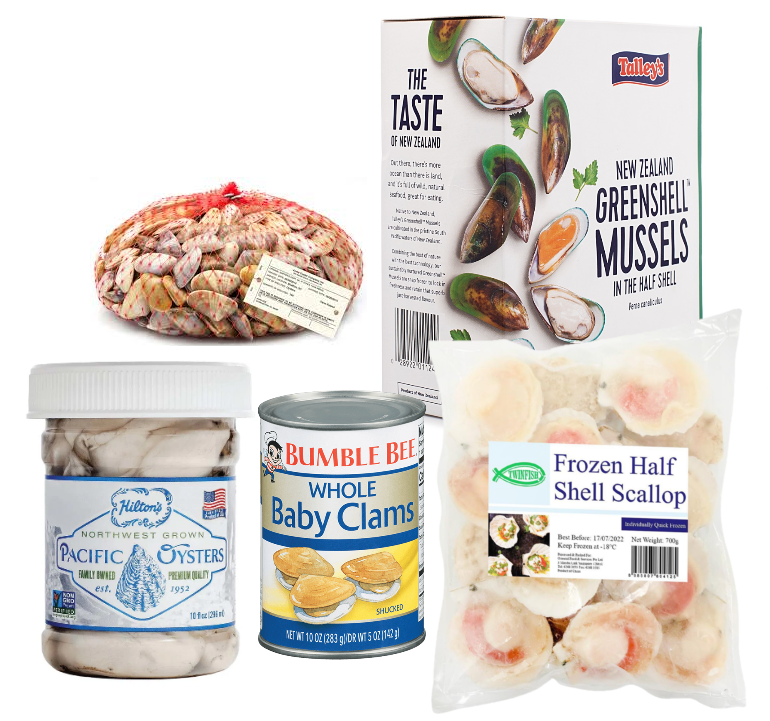 The definition of "molluscan shellfish" has expanded to include fresh and frozen versions of shellstock, shucked shellfish, and in-shell molluscan shellfish:
-
SHELLSTOCK = fresh, living oysters, clams, mussels and scallops
-
SHUCKED SHELLFISH = the above mentioned shellfish after both shells have been removed.
-
IN-SHELL PRODUCT = Non-living, processed shellfish with one or both shells present
WHY IS THIS IMPORTANT?
Facilities that use refrigerated, frozen, and/or processed molluscan shellfish must now:
-
Keep lots separate — Do not mix shellfish with different harvest dates, certification numbers, or growing areas.
-
Keep tags/labels with the product — Maintain the tag or label until the container is empty.
-
Date the tag/label when the container is finished — Record the date the last shellfish from that container is sold or served on the tag, label, or invoice.
-
Keep records for 90 days — Retain the tags, labels, or invoices for 90 days after the last shellfish from the container is sold or served.
Tag/label requirements: The retained tag/label must identify the source/dealer that harvested, packed, or shipped the shellfish. For shucked shellfish, the tag/label must also include the “Sell by,” “Best if used by,” or shucked date..
NOTE: These rules do not apply to shucked scallops
LINKS & RESOURCES
Stay up to date on rule changes and download fact sheets by visiting OHA’s Food Safety Webpage: www.healthoregon.org/foodsafety
Fact sheet: No Bare-Hand Contact & Food Manager Certification (available in English and Spanish)
|