|
MCHHS Facebook | MCHHS Instagram | Prevention YouTube
 Welcome to the Health Promotion & Prevention Newsletter, released every two months by Marion County's Health Promotion & Prevention Team! In this newsletter, our team shares information, tips, news, and updates on community work being done to promote health and prevent disease in Marion County.
Help us spread awareness by sharing this newsletter with your friends and colleagues!
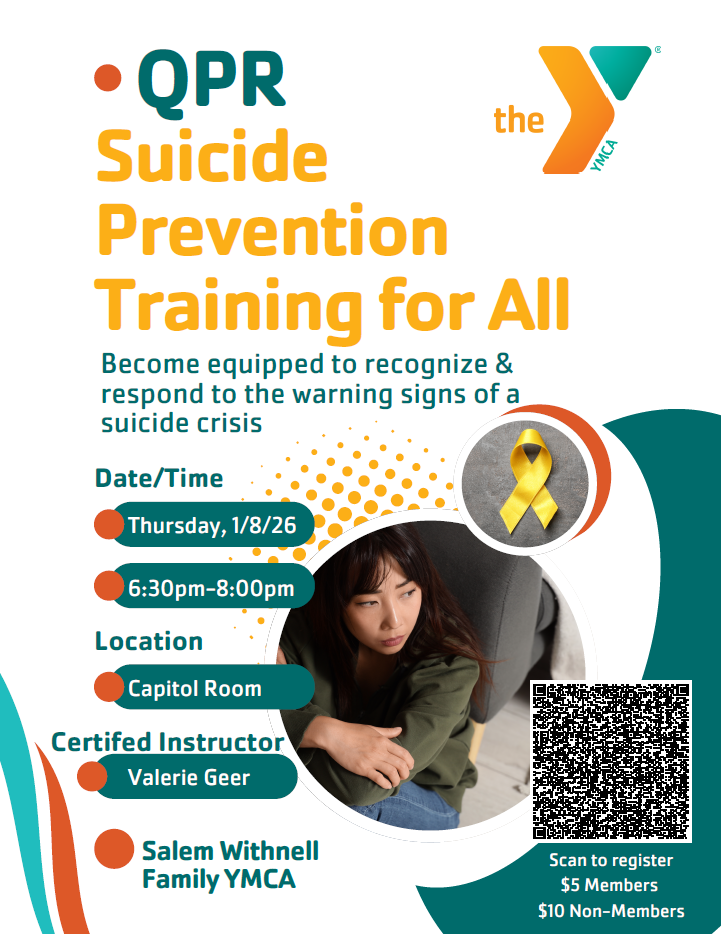
Mental Health Promotion Trainings
Click the image for more information or to register
March 7th - ILead Youth Summit
Save the date for ILEAD, an exciting one-day Youth Leadership Summit on March 7, 2026! Open to all high school–aged youth in Marion, Polk, and Linn Counties.
This FREE event will be held at the Knudson Branch Boys & Girls Club (1395 Summer Street NE, Salem, OR 97301). Expect a high-energy day with a DJ, games, donuts, breakfast and lunch, plus engaging workshops focused on:
Leadership Development | Life Readiness | College & Career | Health & Well-Being
Workshop details and registration open in January stay tuned. Learn more at www.cityofsalem.net/ileadyouthsummit.

2026 Perinatal Equity Advocates Certification Program
Only a few spots left! Last chance to sign up is January 31st. This training is FREE ($1,200 value) for service providers in Marion County working with pregnant women and new moms. It is self-paced and offers Continuing Education Units (CEU's). Take advantage of this great learning opportunity to promote post-birth recovery and resilience!

2026 Prevention Workshops for Woodburn Youth and Parents
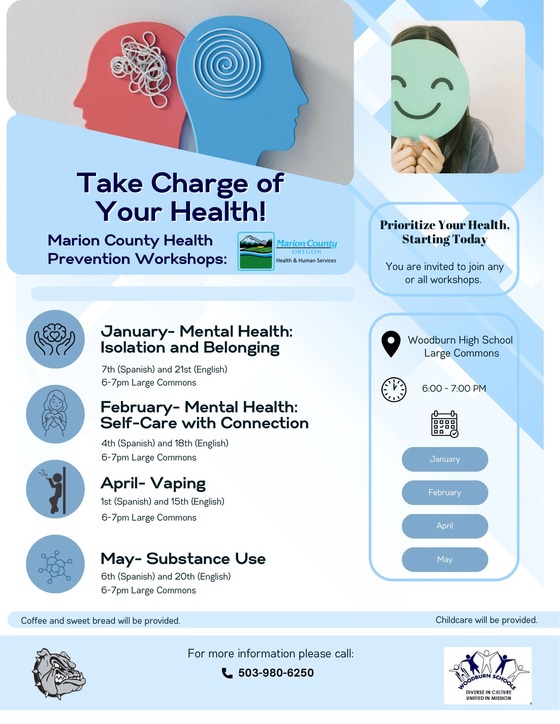
Marion County Prevention has partnered with the City of Woodburn and the Woodburn School District to offer a series of prevention workshops for youth and parents during the 2025-26 school year. Workshops will be available in both Spanish and English and will focus on mental health, substance use prevention, and other health-related topics.
Youth Workshops (Spanish)
Youth workshops will be held at Woodburn Success High School from 6:00–7:00 p.m. These sessions are designed primarily for Newcomer students at the high school and are also open to Boys & Girls Club members. The City of Woodburn will provide a light meal for youth who attend.
Workshop topics and dates include:
-
Isolation and Connection (Mental Health): January 28
-
Self-Care: February 25
-
Vaping: April 29
-
Problem Gambling: May 27
Parent Workshops (Spanish and English Sessions)
Spanish-language parent workshops will be held at the Woodburn High School large commons from 6:00–7:00 p.m. Free coffee, sweet bread, and childcare will be available. For more information, please call 503-980-6250
Workshop topics and dates include:
-
Isolation and Connection (Mental Health): January 7 (Spanish); January 21 (English)
-
Self-Care: February 4 (Spanish); February 18 (English)
-
Vaping: April 1 (Spanish); April 15 (English)
-
Problem Gambling : April 16 (Spanish only)
-
Narcan: May 4 (Spanish only)
-
Substance Use: May 6 (Spanish); May 20 (Spanish)
 Immunization Information Sessions
School Exclusion Day is February 25, 2026. The Marion County Public Health Clinic will attend two work sessions to provide immunization information for parents in Woodburn. A clinic staff member will be available to help parents identify any missing vaccines for their children.
These sessions will be held prior to the following workshops from 5:00–6:00 p.m.:
- January 21 (English)
- February 4 (Spanish)
Check out these additional health promotion trainings and educational opportunities.
Know of another organization that provides great trainings? Share them with us at MCHDPrevention@co.marion.or.us.
 |

She's back!
We are excited to share that our former CDC Public Health Associate, Phoebe Barker, has completed her two-year contract and has accepted a permanent position with Marion County. Phoebe will continue her work on the Health Promotion and Prevention Team as the new Health Educator with the Tobacco Prevention and Education Program.
Phoebe is thrilled for the opportunity to continue supporting this important work and to further collaborate with the incredible communities throughout Marion County. She looks forward to building on the progress made in tobacco prevention and health promotion alongside her amazing team.
Phoebe earned her Master of Public Health in 2022 and was selected as a Public Health Associate through a CDC fellowship program in 2023. She was placed in Marion County Health and Human Services and relocated to Salem from her hometown of Newport Beach, California. Phoebe is grateful for the opportunity to continue her career in Oregon, having fallen in love with the state’s natural beauty and abundance of outdoor activities.
|
|
By Melissa Gable, MCHHS Communications Coordinator
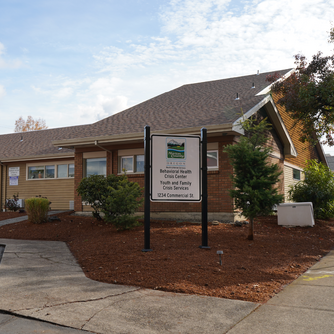
Last year brought some big and exciting changes for our Crisis Services Team. We updated the name of our Psychiatric Crisis Center to the Behavioral Health Crisis Center (BHCC), celebrated 30 years of service, and in October, moved into a new location designed to better meet community needs.
The name change to Behavioral Health Crisis Center reflects the full scope of the work we provide. Our services have not changed. We continue to offer crisis support and stabilization services for individuals and families across Marion County, including psychiatric emergencies. For three decades, BHCC has been a trusted resource for people experiencing intense emotional distress, safety concerns, or situations that feel unmanageable, and we remain committed to providing compassionate, immediate care.
The term “behavioral health” is often used to describe both mental health and substance use, and that’s exactly why the name fits. Many crises don’t fall neatly into one category, and people deserve support that meets them where they are. Our team continues to help anyone experiencing a psychiatric crisis, and the name change also signals that we support people whose crisis may involve substance use, especially when safety is a concern.
On October 30, 2025, we moved into a new location at 1234 Commercial Street SE, Salem, OR 97301. The move allows us to continue providing safe, accessible care while meeting the needs of our community. The new space expands capacity and enhances comfort for clients and staff, featuring six screening rooms, three clinical spaces, and 31 offices.
Most importantly, BHCC remains available 24/7. If you or someone you know is experiencing a psychiatric crisis or any behavioral health crisis, please call us anytime at 503-585-4949 or come to our location. If you’re unsure whether the situation is a crisis, call anyway. We’ll listen, help you sort through what’s happening, and connect you with the right next step.
|
|
By Kelly Martin, Mental Health Promotion Coordination
Financial stress and worry can have a big impact on our mental health. According to the American Psychological Association 83% of American report they experience financial stress. There are some tangible things that you can do to help manage money anxiety.
-
Practice money mindfulness
- Choose one specific time a week to focus on your finances.
- Use grounding techniques to help calm feelings of anxiety.
-
Make a budget
- The “unknown” can increase anxiety. Having a plan can help with that.
- Review your goals regularly.
- There are free tools to help build your budget.
-
Focus on what you can control
- To help reduce the feeling of overwhelm, focus on one thing that you can do today. That could be canceling a subscription, work on your resume or meal planning. Make sure to celebrate your wins!
-
Reframe how you think about money
For more tools about mental health and money visit Mental Health America’s tool kit.
 Sources of Strength is a best-practice, strength-based, upstream suicide prevention and mental health promotion program with proven effectiveness in both prevention and early intervention. The program provides high-quality training for youth and adults in secondary schools and community-based settings.
The Sources of Strength Secondary Program is recognized as the first suicide prevention program to demonstrate effectiveness through the use of peer leaders to strengthen protective factors across an entire school population. A study published in the American Journal of Preventive Medicine in 2025 found that participation in the program reduced the odds of a new suicide attempt by 29%. This landmark study identified Sources of Strength as the first universal intervention to show a statistically significant reduction in youth suicide mortality through a randomized controlled trial.
Many schools across Marion County have implemented Sources of Strength, with some schools operating the program for several years and others just beginning. Marion County Prevention continues to partner with these schools by providing technical assistance and supporting students and staff as they launch and sustain effective Sources of Strength campaigns.
By Heidi Johnson, Problem Gambling Prevention Coordinator
Entries are due January 14, 2026 for the High School and Middle School Video contests! Both contests invite local students to create an original, inspiring video that promotes healthy choices and positive lifestyles. The middle school division will offer a $100 prize for the best video. High school teams can compete for larger awards, with the top entry earning up to $1,000 for their team and sponsoring organization. For full details and registration forms, visit the Marion County Youth & Schools Gambling webpage. Contact: Heidi Johnson at hejohnson@co.marion.or.us with any questions.

By Diana Dickey, Alcohol and Drug Prevention and Education Program Coordinator

In recent decades, prevention professionals have learned what works and what doesn’t work in prevention to help protect young people from using harmful substances that could lead to substance use disorders and other serious health concerns.
Time and research have demonstrated that not all prevention strategies are effective, and some may unintentionally cause harm by reinforcing behaviors and norms around substance use. Some of these include:
-
Fear-based strategies and scare tactics: Youth might perceive these as “challenges.”
-
One-time assemblies and events: Research has shown these do not impact behavior and may upset or traumatize some youth.
-
Personal Testimonies: These can lead to reinforcing the message that everyone uses drugs. Some youth may interpret the message that anyone can successfully stop using substances (Personal testimonies can be effective when presented to an audience in treatment or recovery).
-
Simulated experiences such as mock car crashes or “drunk goggles”: These do not lead to behavior change. They may increase risky behavior and may cause some youth to be traumatized or re-traumatized.
The good news is that there are a number of strategies that have been proven to be effective within prevention programs. Some of these include:
-
Skill Building: This includes helping young people build personal and social skills, as well as refusal skills when faced with a choice to use substances.
-
Positive Social Norms: Sharing the message that most young people do not use substances.
-
Involve Youth: Offering young people the opportunity to provide input on prevention activities and initiatives, and providing opportunities for peer-led activities.
-
Build Protective Factors: Teaching youth about healthy stress management and building healthy relationships. This can also be offering activities that are alternatives to substance use.
For more information and source references, visit Prevention Tools, What works, What doesn’t.
|
|
By Conor Foley, Chronic Disease Prevention Program Coordinator
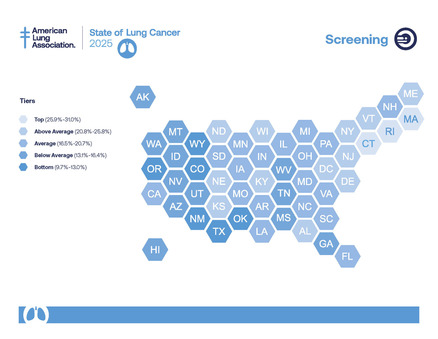
The American Lung Association has released their “2025 State of Lung Cancer” report. The report provides a detailed breakdown by state, showing where Oregon ranks nationally in new cases, survival rate, early diagnosis, surgical treatment, lack of treatment, and screening rates.
Key Findings
- Oregon ranks 47th among all states for high-risk screening rates. Only 11.9% of those at high risk for lung cancer were screened compared to 18.2% nationally.
- Oregon is considered “above average” for new cases, survival rate, and early diagnosis. This means that, compared to the national average, fewer new cases are diagnosed in Oregon, 5-year survival rates for lung cancer are higher, and more cases are diagnosed at an early stage.
Who is at risk?
Preventing lung cancer is possible and it starts with knowing who is at risk and how to manage your risk.
-
Tobacco use is the leading risk factor for lung cancer, making up 80-90% of cases.
-
Secondhand smoke has also been shown to cause lung cancer. There is no safe level of exposure to secondhand smoke.
-
Radon, a naturally occurring radioactive gas, is the second leading cause of lung cancer and the leading cause among non-smokers. Some areas have higher than average radon levels than others, but any home can have elevated radon—so testing is the only way to know.
-
Exposure to year-round particle pollution in the air has been shown to cause lung cancer.
What can you do?
-
Get Screened. If you or someone you know is at high risk of lung cancer, get screened right away. You are at high risk of lung cancer if:
- You are 50-80 years old; or,
- Have 20 or more pack years of smoking history (1 pack a day for 20 years); or,
- Currently smoke or quit within the last 15 years.
-
Quit Tobacco. Quitting is hard, but it can be the best thing you do for your health. Contact 1-800-QUIT-NOW to received FREE counseling and nicotine replacement therapy through the Oregon Tobacco Quit Line.
-
Test for Radon. Radon tests are found at local hardware stores, low cost, and easy to do yourself.
Kids’ brains are still growing, especially the parts that help with self-control and decision-making. Early exposure to gambling can increase the risk of harm later in life, which is why it’s important to protect children from gambling and keep it for adults only.

By Michael Keuler, Environmental Health Resiliency Coordinator
Are you ready for winter? Cold weather can be dangerous. Winter storms can cause power outages, icy roads, and make it hard to stay warm and safe.
This winter: Stay Warm. Be Prepared. Stay Informed.
 |
|
Prepare your home
-
Be 2 Weeks Ready: Make a kit with food, water, and supplies for at least two weeks. Learn more at the Be 2 Weeks Ready Website.
-
Keep the Cold Out: Seal doors and windows. Do you have old windows? Use a Window Film to keep heat inside. Learn more and find home upgrades at www.energytrust.org and Seeds for the Sol.
-
Stay Safe from Carbon Monoxide: Put a smoke detector and a battery-powered carbon monoxide detector in your home.
-
Don’t Use Grills Indoors: Grills make dangerous gases.
-
Keep Animals Warm: Bring pets inside. Move farm animals to dry, warm areas.
|
 |
|
Prepare your car
-
Make an Emergency Car Kit. Include things like blankets, flashlight, snacks, and a phone charger. Find kit ideas at www.ready.gov/car.
-
Drive Safely: When it’s below 32°F – roads can be icy.
-
Winter Tune-Up: Get your car checked and make sure your tires are safe and full of air.
|
 |
|
Stay informed
-
Get Alerts: Sign up for Marion-Polk Alerts to get emergency messages right away.
-
Check on Others: Make sure babies, older adults, and neighbors stay warm and safe.
-
Watch the Weather: If you hear about a Winter Storm Watch, that means bad weather could happen in the next 1-2 days. Be ready!
|
 |
|
Find needed resources
|
By Conor Foley
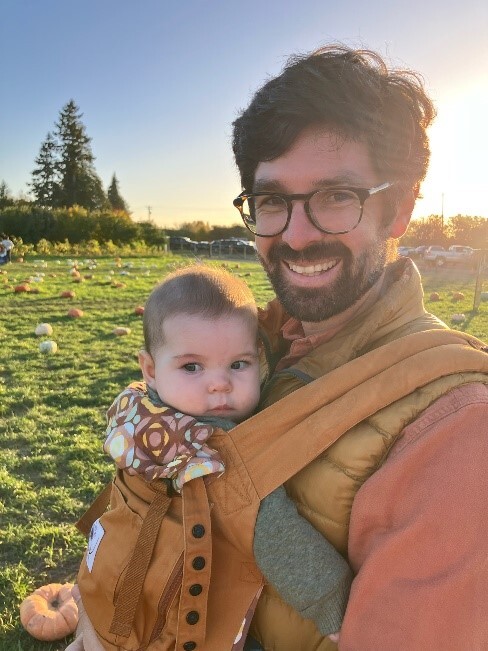
Becoming a new dad has meant a lot of changes: new sleep schedule, new books to read, and new skills to learn (changing diapers, soothing an upset baby, introducing new foods). One thing that hasn’t changed is our walking routine.
Living in Northeast Salem we are spoiled with many parks within walking distance of our house. We have the choice of small neighborhood parks where we can sit and enjoy a nice day or meet up with friends from the neighborhood; we also have large community parks where we can take a longer stroll, pick out familiar bird calls, or learn the names of new plants with the help of fancy phone apps.
In addition to these park expeditions, my wife and I have a favorite “block walk” that we take nearly every day. This routine started in earnest during the early days of the lockdown when we were both working from home and were eagerly looking for ways to escape the confines of our house.
Another walking routine that we have often enjoyed is the “fart walk.” The “fart walk” is something I learned about through social media, but which apparently has deep roots in many cultures across the world. It’s the practice of taking a short walk after a meal, which provides all the benefits of light physical activity plus a boost in gut health! It’s also something I’ve been doing unknowingly since I was kid. When we would visit my grandparents on the East Coast every Summer, we would often take short walks in the long evenings after dinner, pointing out houses we liked, spotting fireflies, and singing songs. It’s remained a favorite tradition in our house.
The final walking routine I’d like to share, and one I’m looking forward to even more as a new dad, is the “dream walk.” This was an idea I learned from a keynote speaker at last year’s Oregon Public Health Association conference. He shared about taking dream walks with his teenage boys as a way of creating a safe place for them to share their dreams. Little dreams, big dreams, funny dreams, everything is on the table.
Whether its “block walks”, “fart walks”, or “dream walks” I hope you find a way to make walking a routine in your day!
|
|
Marion County Health Promotion & Prevention will highlight a variety of programs and health topics in our upcoming newsletter to keep you informed about key health promotion issues.
The next edition will be released during the first week of March 2026. If there's a topic you'd like us to cover, please let us know by emailing us at the address below.
|