|
|
Having trouble viewing this email? View it as a Web page.
Environmental Health Newsletter
October, November, & December 2025
|
|
|
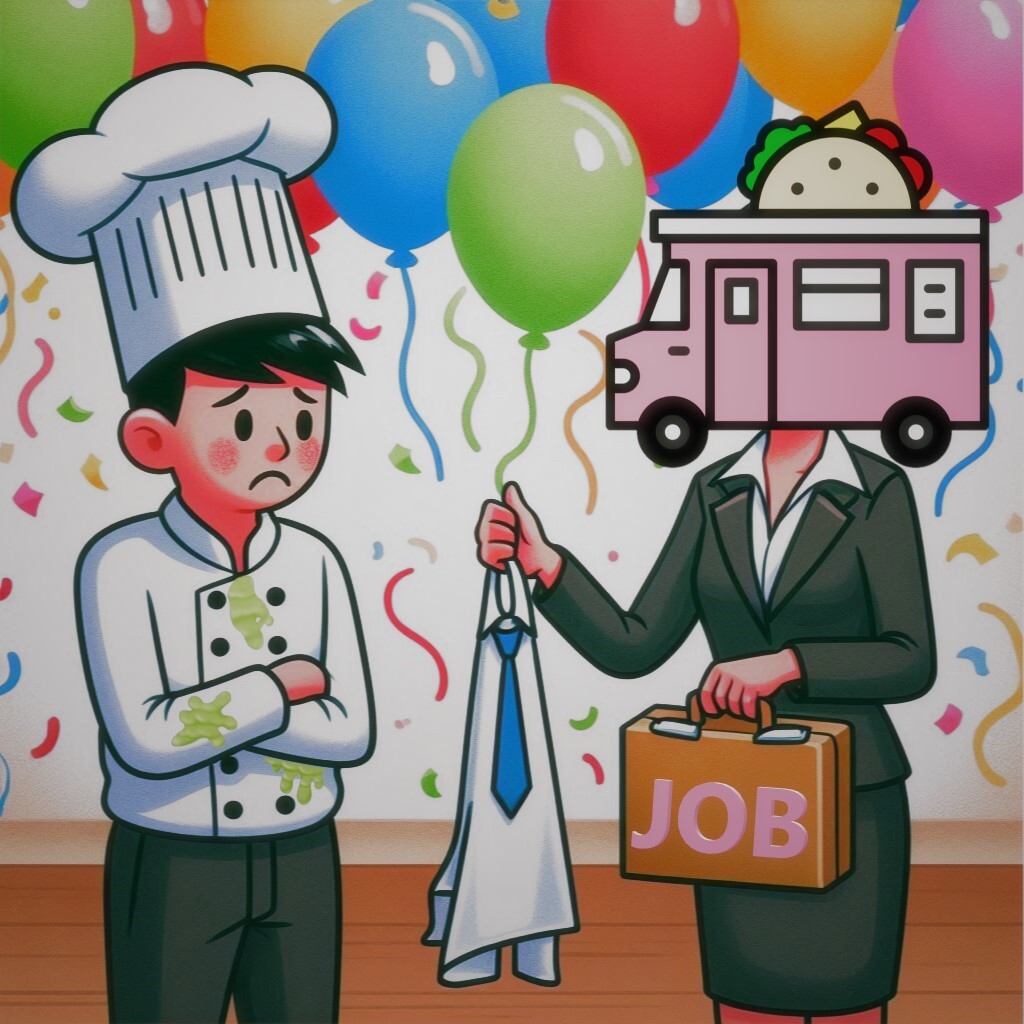
As the weather cools down, the chances of food workers becoming sick can increase. Besides the common cold and flu, there are food-related illnesses that are more likely to spread during the fall and winter seasons. As an operator, it’s important to have a plan in place to keep your staff and customers healthy.
Here are some key things to think about:
1) Have an Illness Policy
Having an illness policy is very important. This is a set of rules that explains what employees should do if they’re feeling sick. The policy should include:
When to stay home
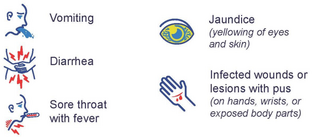
Food workers should stay home if they have symptoms like vomiting, diarrhea, jaundice, sore throat with fever, or exposed infected wounds.
These symptoms can spread illness to others and make food unsafe to serve.
|

How to report
Food workers must contact their supervisor as soon as they feel sick. Reporting their illness is mandatory
|

When to return
Food workers must wait at least 24 hours after symptoms have stopped before returning to work.
|
By having a clear policy, everyone knows what to expect, and you’ll be ready when illness strikes.
2) Communicate the Illness Policy
Make sure all food workers know and understand the illness policy. Here’s how you can do that:

Discuss it during training
Review the policy during new employee training and remind your team about the policy during team meetings
|
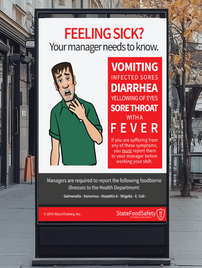
Post it in a visible place
Post the policy in an area where all staff can see it. Examples include:
- Breakrooms
- Near the handwashing sink
- Near the employee schedule
- On the bulletin board
|
Be open to questions
If an employee is unsure about what to do when they feel sick, be available to help.
|
|
 |
Clear communication is key! If your team knows what’s expected, they will feel comfortable following the policy.
3) Ensure the Policy is Being Followed
A well thought-out illness policy is pointless if no one is following it. Monitor food workers while in the kitchen and take action when needed

Watch for these signs of illness
- Excessive trips to the bathroom (indicating vomiting or diarrhea);
- Yellowing of the skin, eyes, and fingernails (indicating jaundice);
- Cold sweats or chills (indicating fever);
- Persistent nasal discharge and sneezing (although common symptoms for allergies, this could also spread germs to exposed food and utensils/equipment).
|

Send ill workers home
Don’t allow sick workers to remain in the kitchen.
Don’t force staff that are sick with vomiting or diarrhea to come to work.
It’s not worth the risk!
|
Allow ill workers to return when safe
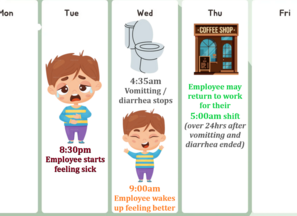
Remember to follow the 24-Hours Symptom-Free requirement.
EXAMPLE: An employee reports that they were vomiting last night but feels better this morning. They cannot work that same day (morning or afternoon shifts). They may return to work the next day, as long as they feel well.
|
Stay Safe & Healthy
With a solid illness policy and good communication, you can help protect your employees, your customers, and your business.
For more details about illness policies:
Lock-in on your plan. Lock out signs of sickness.
|
|
|
Renewal invoices for 2026 will be mailed and/or emailed between late-October and early-November.
There are some changes to food service fees that will begin in 2026. We understand that times are tough for many people, especially when the cost of everything is going up. However, these changes are needed to help cover the costs of services provided by our office.
Annual Fee Increases
As in past years, license fees will increase by 4% during this renewal period. This regular adjustment helps keep up with rising costs.
New Fees
There will be a few new fees starting in 2026:
-
INSPECTION FEE FOR BENEVOLENT ORGANIZATIONS
- Nonprofit organizations that provide food to people in need will now have to pay a small inspection fee. Please note that if your organization provides catering or food for the general public, then you must apply for a restaurant license and pay standard license fee.
- Nonprofit Inspection Fee = $150
-
ON-SITE CONSULTATION FEE
- If an operator would like an in-person visit of their facility to discuss possible problems, review equipment layout, verify tank/sink dimensions, or other advice, they may request an on-site consultation inspection.
- 1st hour fee = $179
- Additional fee per 15 minutes = $45
-
EXPEDITED PLAN REVIEW FEE
- Operators that wish to have their plans reviewed quickly (within two business days) can now request for their application to be expedited.
- Expedite Fee = additional $500
-
TEMPORARY RESTAURANT FEE CHANGES
- Temporary restaurant applications must now be received at least a week (7-days) before the event to qualify for a discount rate.
- Applications received less than 7 days before the event will not qualify for the discount and must pay the standard fee.
- Click the Temporary Restaurant Fee Schedule link for details
If you have any questions about these changes, please don’t hesitate to reach out.
Click the 2026 Fee Schedule link to see the full list of fees.
Online Payments
The online payment option will be available again this year. Please remember that there is an additional 2.65% service fee when using a credit/debit card.
2. Click the Pay Now button.
3. Under "Description" add the type of license(s) you are paying for. Example: Class 4 Mobile Unit, 51-150 seat Restaurant, etc.
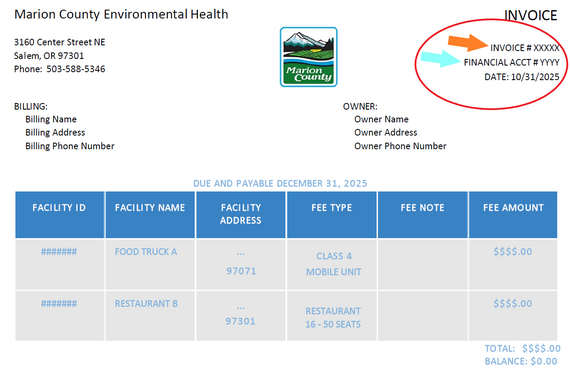
4. Use the information at the top right of your renewal notice to add the "Invoice Number" and the "Account Number" (see image below for reference).
The last day to pay your invoice without the additional $100 reinstatement fee will be Wednesday, December 31, 2025. Another $100 is added to the invoice each month the license remains unpaid.
- In-person and Call-in payments due by 4:30 pm on 12/31/25
- Online payments due by 11:59 pm on 12/31/25
- Mailed payments must be postmarked no later than 12/31/25
|
|
|
The Quarterly Food Manager Training has returned to Marion County.
Does your establishment have a Certified Restaurant Manager?
Each facility is required to have a Person In Charge (PIC) at all times while the establishment is open. One of the ways to prove you have a PIC is to get certified. Upon successful completion of this class, you will have demonstrated the required knowledge to be identified as a PIC and will obtain ServSafe® Certification, which is valid for 5 years and nationally recognized.
More Details:
- Next Classes:
- Tuesday, November 18, 2025
- Tuesday, February 24, 2026
- Time = 8:15am - 4:45pm
- Location = 3160 Center Street NE, Salem, OR 97301 | Rockaway Conference Room A
- Cost = $100
- A training book will be issued upon registration and payment. You must pick up your book in-person at our office. Office Address: 3160 Center St NE, Salem, OR 97301
- Maximum Class Capacity = 18 spots
How To Register:
- Fill out a Class Registration Form
- Submit the completed form and payment to our office. Be advised there is a 2.65% service fee if paying with a card.
- You may also email a completed form to our central email: EnvironmentalHealth@co.marion.or.us. However, your registration will not be official until payment is received.
- Call 503‐588‐5346 if you have questions
Stay tuned to our Food Handler Training webpage for updates on future classes
©2018 National Restaurant Association Educational Foundation (National Restaurant Association). All rights reserved. ServSafe is a trademark of the National Restaurant Association Educational Foundation. National Restaurant Association® and the arc design are trademarks of the National Restaurant Association.
|
|
|
|
|