|
Replies to this message are sent to an unmonitored mailbox.
To contact me, please click here: Rep.RickLewis@oregonlegislature.gov
Dear Friends and Neighbors,
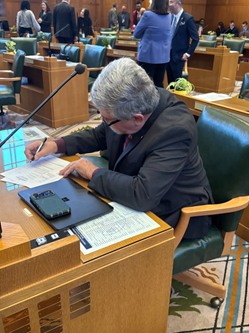
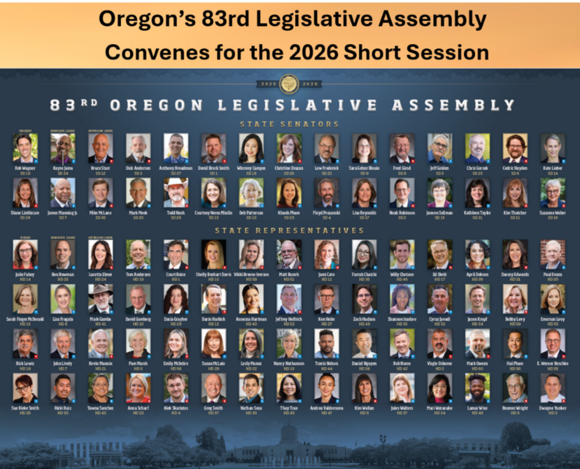
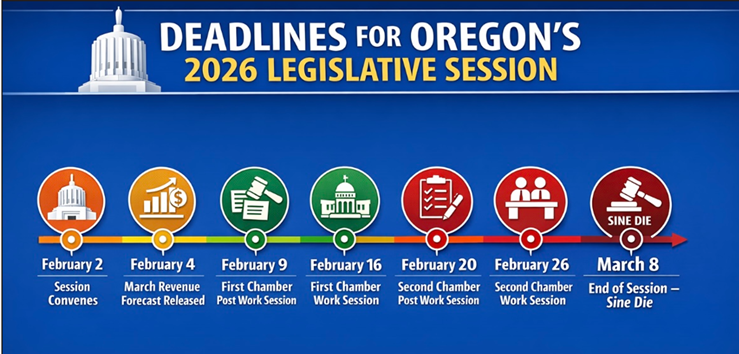
The 2026 Oregon Legislative Session is officially underway, and I am honored to once again represent you at the Capitol. The first week of session is always a mix of organization and a flurry of activities that set the stage for the work ahead. This session is a short 35-day session. It is fast paced with tight deadlines in order for us to complete our work on or before March 8th. In preparation, each legislator was allowed to introduce two bills and committees were allowed to introduce three bills.
The hot topics that will dominate the session include a rebalance of the state budget, the majority party’s proposal to move the transportation tax hike referendum up from the November 2026 general election to the May 2026 primary, the majority party’s efforts in challenging the federal government in response to immigration policies.
With Oregon families and businesses struggling under rising costs and state government that keeps reaching deeper into their pockets, my priorities this session are to improve affordability, strengthen public safety, protect Oregon businesses, and grow an economy that puts Oregonians first.
As the session moves forward, I am committed to keeping you informed. Democracy works best when it is used and I encourage you to follow along, share your perspectives, and stay involved in the legislative process.
Thank you for the trust you place in me. I look forward to the work ahead.
Sincerely,
|

Rick Lewis
State Representative
House District 18
Oregon’s Christmas Tree District
In this issue:
View previous newsletters here.
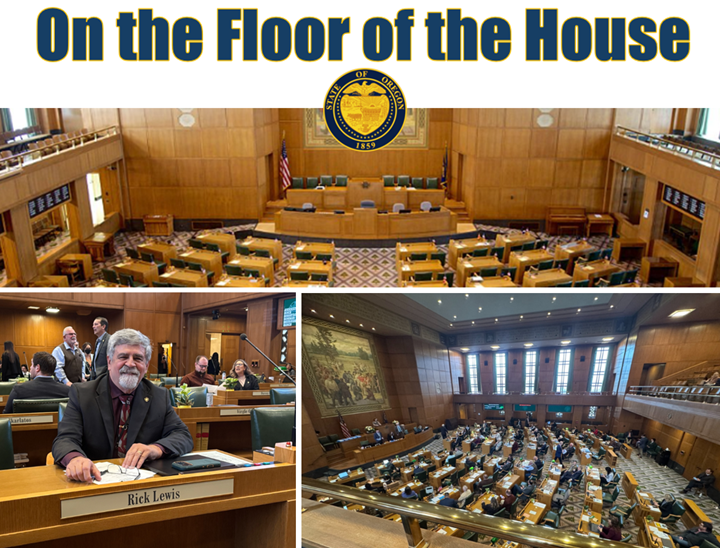
On Monday, legislators gathered in their respective chambers to adopt rules and officially gaveled in for the session. Committees organized later that afternoon, and legislators began introducing bills that reflect the priorities we’ve heard from our communities. I am especially focused on practical, common-sense solutions that improve public safety, ensure accountability in government, and protect the quality of life that makes Oregon such a special place to live.
So far, 287 measures have been introduced, 181 in the House and 106 in the Senate. The Capital renovations are near completion and the building is fully open to the public. Come see your new Capital. Spend the day with us, share your ideas and concerns with your legislators, testify in a committee, and more. Here’s how you can get involved…
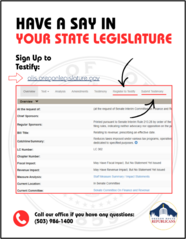
Ever wonder how a bill really becomes a law in Oregon, and how you can have a say along the way? The good news: you don’t need to be a lobbyist or political insider to stay informed and get involved. Oregon’s Online Legislative Information System (OLIS) makes it easy for anyone to track bills, submit testimony, and follow what’s happening at the Capitol in real time.
What Is OLIS?
OLIS is the official public website of the Oregon Legislature. It’s where all bills, amendments, committee meetings, votes, and legislative calendars live - free and open to everyone.
You can find OLIS at: https://olis.oregonlegislature.gov
Five Simple Ways to Engage Using OLIS
- Track Bills You Care About
Search by bill number, keyword, or topic. Once you find a bill, you can

- Read the full text
- See who sponsored it
- Track amendments and votes
- Follow its progress through committees and chamber.
Tip: If it’s not moving, that’s important information too.
|
- Set Up Alerts (Capitol e-Subscribe)
Sign up for email notifications. You’ll get alerts when:
- A bill is scheduled for a hearing
- Amendments are added
- The bill moves forward (or stalls)
|
|
 |
This is one of the easiest ways to stay engaged without checking the site every day.
- Submit Written Testimony (From Home!)
You don’t have to travel to Salem to be heard. OLIS allows Oregonians to submit written testimony online for most committee hearings. Be sure to pay attention to the short timelines for submitting testimony.
Good testimony:
- Is brief and respectful
- Shares personal experience or
local impact
- Clearly states “Support,” “Oppose,” or “Support with Amendments”
Legislators do read these, especially when many constituents weigh in.
|
- Watch or Attend Committee Hearings
Committee hearings are where most of the real work happens. Through OLIS you can:

- Watch hearings live or recorded
- See agendas in advance
- Find out when public testimony is allowed. Even just listening in can make the process feel far less mysterious.
|
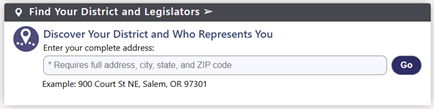
- Know Who Represents You
OLIS links directly to legislator profiles, including:
- Contact information
- Committee assignments
- Sponsored bills
A short, thoughtful email or phone call from a constituent can carry real weight, especially during session.
Why Your Participation Matters
Legislators often hear from organized interest groups. When everyday Oregonians speak up, parents, veterans, workers, retirees, or small business owners, it helps balance the conversation and keeps policymaking grounded in real life.
Democracy works best when it’s used.
Pick one issue you care about. Look it up on OLIS. Sign up for alerts. Submit testimony just once. That single action already puts you among the most engaged citizens in the state.
The legislative process is open and OLIS is your front door. I encourage you to explore OLIS and find ways to get involved. Make the government work for you.
|
As anticipated, the majority party introduced, SB 1599, a bill to change the date of the transportation tax hike referendum to the primary election.
Last month, an anonymous source leaked a 1935 Oregon Attorney General judicial opinion to a Willamette Week reporter. This opinion threw a wrench into Governor Kotek’s plan to repeal the transportation tax package during the short session to avoid a controversial ballot measure coinciding with the gubernatorial election in November.
Despite the signature sheets expressly stating that the referral would be on the November ballot, the majority party announced that they plan on moving it up to the Primary election in May.

Because Oregon has a closed primary system, meaning only voters registered to a party receive a ballot, the 36.6% of Oregonians who are registered unaffiliated would not typically expect a ballot. However, in this case, they would receive one — though they might not be expecting it.
This means that there is a good chance that putting this measure on the May ballot would not include many of the 1.1 million Oregonians from having a say in this process. Primary elections, historically, also have low voter turnout.
In Oregon’s most recent primary election cycle, voter turnout only reached 37 percent overall and just 15 percent among unaffiliated voters. That figure climbed to 66 percent overall and 45 percent among unaffiliated voters in the subsequent general election.
This is another attempt to silence Oregonians from weighing in on this issue.
|
The Oregon Office of Economic Analysis released the March quarterly Economic and Revenue Forecast on Wednesday, and it offers a more measured perspective than some of the earlier, more alarming projections.
For months, Oregonians have heard warnings of an impending budget crisis. Much of the focus has been on external factors involving the federal government, but this forecast underscores the impact of the majority party’s spending decisions, tax policies, and regulatory approach on our fiscal outlook.
Constituents from across the district have consistently express concerns about rising living costs, the difficulties of running a business in Oregon, and the mismatch between taxes paid and services received. Families and employers want an economy that works, one that encourages job growth, makes life more affordable, and supports long-term economic stability - especially in our rural areas.
Although affordability is frequently discussed by the majority party who has the strong-hold on the state’s purse strings, the current proposals before us this session do little to reduce costs or stimulate growth. Oregon continues to trail many other states economically, and families feel the pressures in daily expenses like housing, energy, and essentials.
This forecast should serve as a moment to refocus. I support strengthening the economy and easing our costs of living, prioritizing smarter spending, eliminating inefficiencies, and reducing regulatory and tax burdens that make it harder for families and small businesses to thrive. The days of growing government by creating new programs with no long-term sustainable funding mechanism, need to end. Oregonians can’t afford it.
I am committed to policies that support responsible budgeting by planning for downturns as well as upswings. This forecast presents an opportunity to strengthen reserves, support a stable business climate, and make thoughtful investments that grow the economy without overextending taxpayers or growing the size of government.
Links to the forecast details are provided below:
February 5, 2025, Economic and Revenue Forecast
I am serving on two policy committees, and one joint budget subcommittee, as I did in the 2025 session. The following are highlights from my committee meetings this week.

 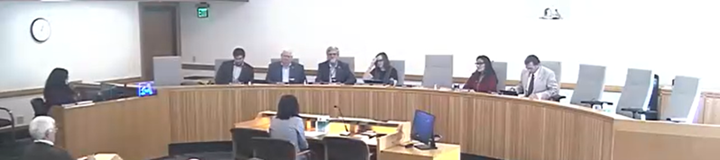
The House Committee On Emergency Management and Veterans meets weekly on Tuesday and Thursday at 1 pm. This week we held public hearings on the following measures:
HB 4152
Permits Deployed Service Members to be Married Remotely.
HB 4099
Veterans Crisis Teams/Veterans Crisis Cards Task Force (Lewis Chief Sponsor)
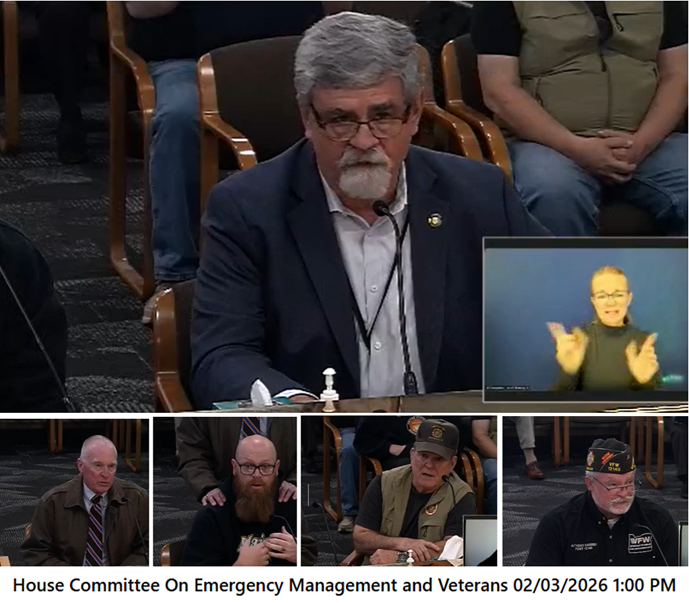
I am the proud Chief Sponsor of HB 4099, along with Representative Boice. This is a bipartisan, bicameral effort focused on improving how Oregon responds when veterans experience a mental health or behavioral health crisis. The concept originated in Representative Boice’s district and builds on important conversations this committee began during the interim, including an informational hearing held during January interim committee days.
As a military veteran myself, and as a former law enforcement officer with nearly 40 years of service, I have seen firsthand the unique challenges many veterans and National Guard members face after deployment, particularly those who served in combat zones. PTSD, traumatic brain injuries, substance use disorders, homelessness, and related behavioral health concerns too often place veterans into crisis situations. These challenges affect not only the veterans themselves, but also their families and the law enforcement officers who are often the first to respond.
The goal of this legislation is straightforward but critical: to identify veterans in crisis early, de-escalate encounters whenever possible, and connect veterans to appropriate, veteran-specific support rather than defaulting to arrest or detention when no crime has been committed, and no safety threat exists.
HB 4099 creates the Task Force on Responding to Veterans in Crisis. The task force will include two non-voting members of the House, one from each party, and twelve voting members appointed by the Governor. These members will represent key stakeholders, including veteran peer support advocates, chiefs of police and sheriffs, the Oregon State Police, veteran service organizations, the Oregon Health Authority, DPSST, and representatives from cities and counties. The task force may also include additional stakeholders as needed to ensure its work is comprehensive and informed.
The task force will focus on several core areas:
- The development of veteran crisis response teams
- Implementation of a voluntary veteran crisis card program
- Training standards for crisis response teams
- Secure data entry and flagging within the Law Enforcement Data System
- Funding models and program sustainability
The veteran crisis card concept is voluntary and would allow veterans to opt into the program. Participating veterans could receive a crisis card, and their participation would be flagged in the Law Enforcement Data System. This would allow responding officers to know, before an encounter escalates, that they may be dealing with a veteran in crisis and to trigger contact with a veteran crisis response team. That advance knowledge can significantly improve de-escalation and outcomes for everyone involved.

Law enforcement officers today are far better trained to respond to people in crisis than they were earlier in my career. Even so, officers often remain limited in their options once it is determined that no crime has occurred. This team-based approach would give officers additional, appropriate alternatives… particularly the ability to hand off care to trained veteran peers and crisis professionals who understand military culture and lived experience.
Because this is a short legislative session and we are operating under real budget constraints, HB 4099 does not create a fully implemented program today. Instead, it intentionally establishes a task force to do the detailed work during the interim and report back to this committee no later than September 15 of this year. The intent is to return in the 2027 session with a well-vetted, fiscally responsible legislative proposal. The bill sunsets on December 31, 2027, at the conclusion of the task force’s work.
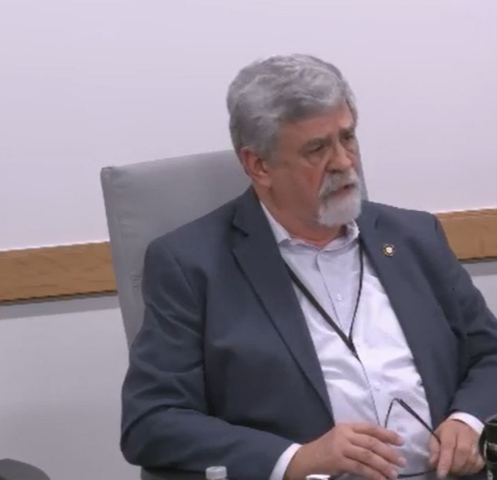
This committee has long demonstrated its commitment to veterans, and one of the most critical issues we face is the mental well-being of those who have served, especially those who have endured combat conditions. Veterans in crisis deserve a system that understands their experiences and meets them with dignity, support, and care, while also providing law enforcement with the right tools to respond safely and effectively.
I chose to use one of my priority bills for this effort because I believe strongly that we can, and must, do better for veterans in crisis. HB 4099 allows us to keep momentum, bring stakeholders to the table, and build a thoughtful path forward that honors our veterans and strengthens public safety. I look forward to working with the committee to move this bill across the finish line.
HB 4091
Oregon National Guard Mobilization Authority
HB 4033
Transfers ORVID from the Higher Education Coordinating Commission to the Oregon Department of Emergency Management.
HB 4044
Creates the Office of Resilience and Emergency Management within the Department of Human Services.
HB 4132
ODVA Funding in an amount that is not less than $10,000,000, from the General Fund, in 2015 dollars, adjusted for inflation.
Watch a replay of the committee meetings and access meeting materials on OLIS here.
|

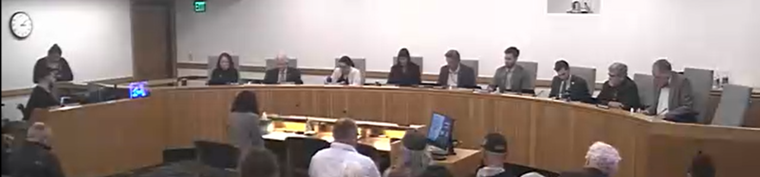
The House Judiciary Committee meets twice per week on Monday and Wednesday at 3 pm. This week we heard the following measures:
HB 4088
Declares this state's policy to protect engagement in certain activities relating to reproductive health care and gender-affirming treatment.
HB 4096
Creates the crime of aggravated felon in possession of a firearm when a person who has been convicted of a felony possesses three or more firearms or has certain prior convictions.
HB 4145
Modifies the firearm permit provisions of Ballot Measure 114 (2022).
HB 4043
Authorizes the State Treasurer to issue Article XI-Q general obligation bonds to finance renovation or expansion of courthouses.
HB 4114
Creates a civil cause of action against federal law enforcement agents and law enforcement agents of another state in specified circumstances.
HB 4138
Requires law enforcement agencies to enact policies concerning identifying information on law enforcement uniforms.
HB 4111
Provides that evidence of a party's or a witness's immigration status is not admissible as evidence in a civil proceeding.
Watch a replay of the committee meetings and access meeting materials on OLIS here.

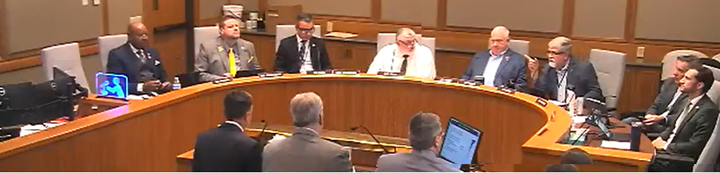
The Joint Committee On Ways and Means Subcommittee On Public Safety also meets twice per week on Tuesday and Thursday at 8 am. This week, we received various updates and request from state agencies and commissions as follows:
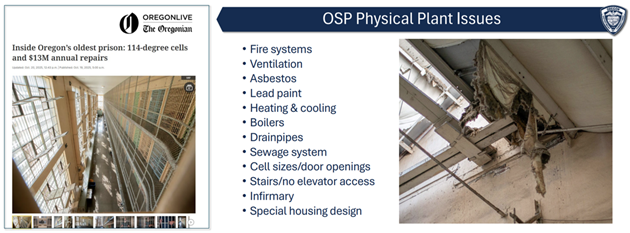
Watch a replay of the committee meetings and access meeting materials on OLIS here.

On January 28th, I was honored to attend the grand opening of the new Molalla Police Station, a significant investment in public safety and a strong statement of support for the men and women who serve our community every day. This modern facility will better equip local officers with the tools, space, and resources they need to respond effectively, collaborate with partner agencies, and continue building trust with the community they protect.

Public safety starts at the local level, and Molalla’s new police station reflects a shared commitment to preparedness, professionalism, and community-centered policing. I’m grateful to city leaders, law enforcement personnel, and everyone who helped make this project a reality, and I look forward to continuing to support efforts that keep our communities safe and strong.
|
Oregon Department of Revenue
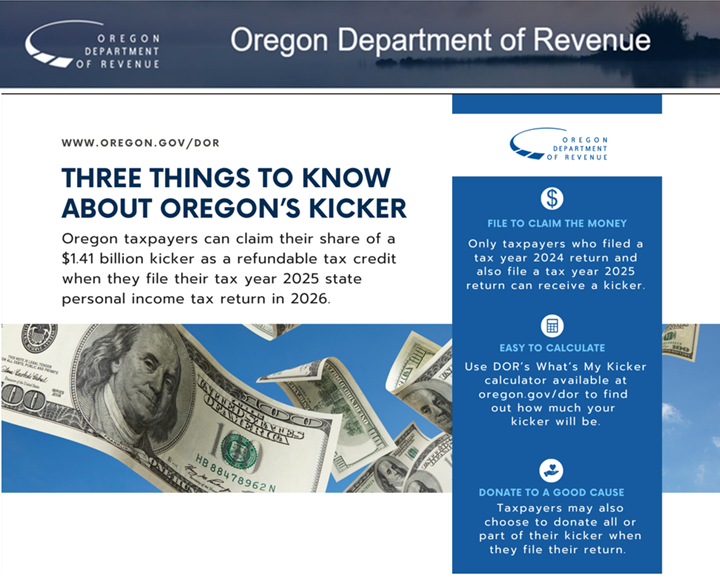
On January 26th, the filing season for 2025 Tax Returns officially opened. Since this is a “kicker year” the Oregon Department of Revenue (ODR) expects more people to file returns sooner and have interest in their refund status. ODR shares the following suggestions that may help make filing and receiving refunds faster, easier, and cheaper for you.
Oregon taxpayers can claim their share of this year’s $1.4 billion kicker. The IRS and the state began processing e-filed 2025 state income tax returns on January 26, 2026.
You must file a return to get your kicker – Use the Kicker Calculator The kicker is a refundable credit that will either increase a taxpayer's Oregon state income tax refund or decrease the amount of state taxes they owe. It is not sent to taxpayers separately as a check. Taxpayers may use the “What’s My Kicker? Calculator” to determine their credit. Only taxpayers who filed a tax year 2024 return and file a tax year 2025 return can receive a kicker. The credit is a percentage of Oregon personal income tax liability for the 2024 tax year.
Electronic filing is faster—especially in 2026 On average, taxpayers who e-file their returns and request their refund via direct deposit receive their refund within two weeks. E-filed returns will be processed in the order they are received, with the first refunds expected to be issued February 15. For paper filed returns, refunds will not start being issued until early April.
Due to the delayed receipt of tax forms and information from the IRS in late 2025, processing of paper-filed Oregon personal income tax returns will be delayed until late March, a process that has historically begun in February.
The delay in paper return processing means the department won’t be able to tell taxpayers who file paper returns, that their return has been received until paper return processing starts at the end of March. Also, information on paper-filed returns won’t be available in the “Where’s My Refund?” tool until that time.
Free e-filing options open January 26 Oregon residents who normally mail their tax return to the department should consider using Direct File Oregon, a free filing option available through Revenue Online, or other online tax preparation software, to receive their refund—and their kicker—sooner.
Free guided tax preparation is available from several companies for taxpayers that meet income requirements. Using links from the department’s website ensures that both taxpayers’ federal and state return will be filed for free.
All electronic filing software options approved for filing Oregon personal income tax returns can be found on the Electronic filing page of the agency’s website.
Free and low-cost tax help Free tax preparation services are available for low- to moderate-income taxpayers through AARP and CASH Oregon. United Way also offers free tax help through their MyFreeTaxes program. Visit the Department of Revenue website to take advantage of the software and free offers and get more information about free tax preparation services.

Courage, New Beginnings & Oregon’s Own Milestone
A few months ago, I had the opportunity to visit the area where my Revolutionary War ancestors lived in the state of North Carolina. All but forgotten in history are a series of events that occurred before the first shots were fired at Lexington and Concord. In fact, to many North Carolinians, the first battle of the Revolutionary War was actually in 1771 at the Battle of Alamance in North Carolina. In 1766, North Carolina citizens began to organize against unfair taxation by the government (at that time England). My ancestors’ neighbor and friend, Herman Husband, distributed petitions to take to the Royal Governor protesting the unfair taxation by the government. Two of my ancestors signed the petition which was largely ignored and that action started what is known in history as the Regulator Movement. After repeated refusal to meet with the Regulators, Royal Governor Tryon decided to order his militia to put down the “rebellion”. His army met up with the Regulators near the Great Alamance Creek. The Regulators were not prepared to fight and many were unarmed. On May 16, 1771, the battle began when British troops and Regulators began firing on one another. In the ensuing battle, the Regulators lost an unknown number of men who are buried on the battlefield. Those who survived were forced to sign an oath of allegiance to the British Crown or move west to Tennessee.
The Battle of Alamance and the unfair taxation was noted by Colonists in New England who were also suffering from unfair taxation. The Boston Tea Party, the revolt against unfair taxes didn’t occur until 1773. The Battle of Lexington and Concord in Massachusetts was in 1775.
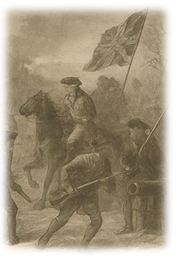
February holds powerful moments in American history. On February 6, 1778, the young United States secured a crucial victory, without firing a shot. The Treaty of Alliance was signed between America and France, marking the first formal recognition of our independence by a foreign nation. This diplomatic breakthrough transformed the Revolutionary War, bringing much-needed military and financial support that helped turn the tide in favor of the Continental Army. It was a reminder that even in the nation’s earliest days, perseverance and strategic partnerships shaped our path forward.
February also marks a special celebration closer to home. On February 14, 1859, Oregon became the 33rd state to join the Union. Our state’s birthday is a chance to reflect on the pioneers, tribal communities, and generations of Oregonians who helped build the state we know today. Just as America’s founders carved a new future in uncertain times, Oregon’s statehood represents resilience, opportunity, and the enduring spirit of the West.
This month, I encourage kids and adults alike to explore the February moments that shaped both our nation and our state. Whether that means revisiting the story of the Franco-American Alliance or learning how your own family journey intersects with Oregon’s history, each discovery helps remind us of who we are, and what it means to be an American.
As we continue our march toward America’s 250th birthday, may February inspire reflection, gratitude, and pride in the shared story we carry forward together.
|
Capitol Phone: 503-986-1418
Capitol Address: 900 Court St. NE, H-385, Salem, Oregon 97301
Email: Rep.RickLewis@oregonlegislature.gov
Website: http://www.oregonlegislature.gov/lewis
|