|
Replies to this message are sent to an unmonitored mailbox.
To contact me, please click here: Rep.JulieFahey@oregonlegislature.gov
Hello Friends,
Happy holidays! I hope this season brings you joy, rest, and time with the people who matter most. 2025 may be coming to a close, but I’ve been working hard so we can hit the ground running in the 2026 session, which begins in February.
In even-numbered years, our session lasts just 35 days, and typically focuses on budget adjustments, policy updates, and technical fixes to laws passed in the previous long session. That’s challenging work in a short timeframe, even in the best of times. But this year we also have to deal with the impact that the Republicans’ Big Ugly Bill will have on schools, healthcare, and anti-hunger programs in Oregon.
Trump’s budget bill will cut over $15 billion in federal funding to our state over the next 6 years, making our state’s long-term budget outlook very challenging. In addition, in the short term, November’s revenue forecast for the current 2025-27 biennium projects that we are currently in a budget deficit, due to the massive tax giveaway to billionaires and big corporations in the federal budget bill. We must address that deficit in the February session, which means the legislature will have incredibly difficult decisions on how to prioritize our state’s limited resources to preserve the most essential services—access to healthcare, improving our schools, and ensuring the programs that Oregonians depend on continue to be available.
That’s a daunting task, but I’m incredibly grateful that my Democratic colleagues in Salem are united in coordinating our efforts to preserve those services and to protect our state from federal overreach.
While there’s clearly a lot of work ahead of us, I want to take a moment to share that there are also many things from 2025 that I’m proud of. Read on for how the Legislature recently stood up for life-saving health care by supporting Planned Parenthood, some good news for Oregon families as data shows child poverty continues to fall, new laws going into effect on January 1st, and highlights from my work in and around the community.
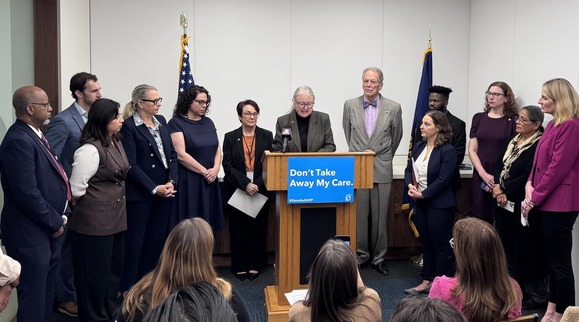
Donald Trump and Congressional Republicans have put access to life-saving health care at risk. That's why during our November Legislative Days, I was honored to stand with my House and Senate Democratic colleagues to support emergency funding to keep Planned Parenthood clinics open in Oregon. You can watch my testimony in support of the funding allocation here.
In July, Republicans in Congress passed a budget bill that cut off federal Medicaid funding to Planned Parenthood, including funding for cervical and breast cancer screenings, birth control access, and STI testing and treatment. No other provider was singled out this way. Other parts of our health care system will be harmed by Trump's Medicaid cuts (rural hospitals in particular), but Planned Parenthood was directly targeted.
Planned Parenthood clinics in some other states have been forced to close their doors — here in Oregon, where we have a shortage of primary care providers and clinics, this would be devastating for the 70,000+ Oregonians who access care through Planned Parenthood. I'm grateful to my fellow Democrats in the Oregon Legislature for standing up and saying not on our watch.
Last month, a report from the Common Sense Institute Oregon highlighted some encouraging end-of-year trends for Oregon’s families and communities. Despite the chaos that Donald Trump and Congressional Republicans are causing, Oregon is seeing real, measurable progress, including in areas where the legislature has made intentional policy investments.
One of the stats I’m most excited to see is the continued decline in child poverty. Over the past decade, Oregon has seen child poverty fall from 21.6% in 2014 to 13% in 2024—a long-term shift that means tens of thousands of children will have more stability, more opportunity, and a better start in life.
This progress reflects years of work by advocates, service providers, and lawmakers who understand that poverty is a policy choice. In recent sessions, Oregon strengthened our state’s Child Tax Credit, expanded supports for families with low incomes, and continued investing in health care, housing, food assistance, and early learning. These tools make a real difference because they put money back into the pockets of families who need it most.
These numbers show what’s possible when we pair smart public policy with strong community partnerships. But they’re also a reminder that progress can be fragile—especially as Oregon faces a budget deficit caused by Trump's Big Ugly Bill that threatens many programs like SNAP and Medicaid that help families stay afloat.
We’ll keep working to protect and strengthen the policies that lift children and families out of poverty. This data makes it clear that our efforts matter.
There are new state laws taking effect January 1 that will help keep more money in Oregonians’ pockets; strengthen protections for Oregon consumers, tenants, and workers; and expand access to health care. These measures were top priorities for House and Senate Democrats in 2025. Here are a few highlights of bills becoming law next week:
Affordability / Cost of Living
- Utility rate increases will be tied to performance, requiring power companies to meet standards like cost control, emissions reduction, and protections for low-income customers before raising rates. (SB 688)
- The Fan Fairness and Transparency Act (HB 3167) bans ticket-buying bots, blocks the resale of bot-purchased tickets, and prohibits deceptive look-alike websites that mislead consumers.
- Online sellers will be required to include mandatory fees in advertised prices, ending surprise “convenience” or “service” charges while still requiring disclosure of taxes and shipping costs. (SB 430)
Consumer/Privacy Protection
- The Telemarketing Modernization Act expands “telephone solicitation” to include texts, bans calls after 7 p.m., and limits solicitations to three per day. (HB 3865)
- Prospective tenants will have new protections by requiring landlords to return deposits if serious habitability issues—like leaks, inadequate heat, unsafe water, or broken locks—are found before signing a rental agreement. (HB 3521)
- Strengthening laws against non-consensual intimate image distribution, expanding the definition to include AI-generated deepfakes and creating felony-level penalties for repeated offenses. (HB 2299)
Worker Protections
- Developers and contractors will be held accountable for unpaid wages, letting workers—including subcontractors—sue for wages, benefits, and penalties, while requiring payroll transparency to prevent wage theft. (SB 426)
- Increased penalties for repeat workplace violence, making assaults more serious when committed against workers on the job, strengthening protections, and promoting safer workplaces across Oregon. (SB 170)
Improving Access to Health Care
- Medical debt will no longer appear on credit reports, barring providers and reporting agencies from listing unpaid medical bills. (SB 605)
- State-regulated health plans—including individual, family, small business, OEBB, and PEBB plans— will be required to cover perimenopause, menopause, and post menopause treatments such as hormone therapy and osteoporosis care. (HB 3064)
- Health insurance plans will be required to cover breast reconstruction using a patient’s own tissue on the same or better terms as implant-based reconstruction. (SB 1137)
If you’d like to learn more about legislation passed in the 2025 session, you can view a more comprehensive list here.
Nearly 96,000 Lane County residents who receive health care through the Oregon Health Plan will transition from PacificSource to Trillium beginning February 1. This is a significant change, and it’s important that our community has clear, accurate information about what to expect.
The Oregon Health Authority has confirmed that OHP benefits will remain the same, and members should continue seeing their doctors, dentists, and behavioral health providers during the transition. No one should delay or skip care because of this change. At the same time, there are real concerns about provider continuity—particularly in behavioral health.
As of December, an estimated 15,000-25,000 members may need to change providers because their current provider is not yet in Trillium’s network. The impact on members here deserves close attention. My priority is ensuring continuity of care, clear communication, and accountability throughout this transition. I will continue monitoring the rollout and advocating for improvements when needed. If you’re affected, please keep your appointments, watch for your new Trillium ID card, and reach out to my office if you need help navigating the change.
OBI Leadership Summit
In early December, I participated in a fireside chat at the annual Oregon Business Leadership Summit, held at the Oregon Convention Center in Portland. Leaders from across the state gathered to discuss the challenges facing Oregon and the opportunities for collaboration between the public and private sectors.
My talk focused on three core areas: increasing housing supply and affordability, improving education outcomes, and growing jobs and a resilient private-sector economy. Unaffordable and inaccessible housing is at the root of so many challenges—including homelessness and economic growth—while strong schools and workforce development are essential to attracting and retaining families and businesses.
We are governing through unprecedented federal instability, from funding cuts and tariffs to daily disruptions that threaten basic services and public safety. These are big challenges, and while I’m committed to fighting back, we must stay focused on long-term strategies that keep our economy growing and create opportunities for Oregon’s working families to thrive. That means cutting unnecessary red tape for businesses, modernizing land use and housing policies without abandoning Oregon’s values, being willing to question outdated political assumptions, and bringing together government, business, and community partners to move Oregon forward.
ACLU Town Hall
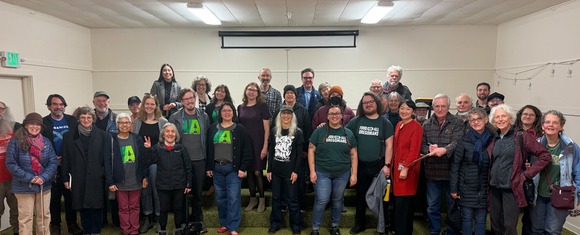
Earlier this month, I joined Senator Floyd Prozanski and ACLU of Oregon for a town hall focused on the upcoming 2026 legislative session and the consequences of federal overreach. We discussed the growing threats posed by unchecked surveillance and emerging technologies, including the expanded use of tools like Flock cameras, and the responsibility of state leaders to safeguard civil liberties and privacy while keeping communities safe. I’m grateful to the ACLU of Oregon for organizing a thoughtful and timely conversation, and to everyone who took the time to attend, ask hard questions, and engage.
Homes for Good Tour
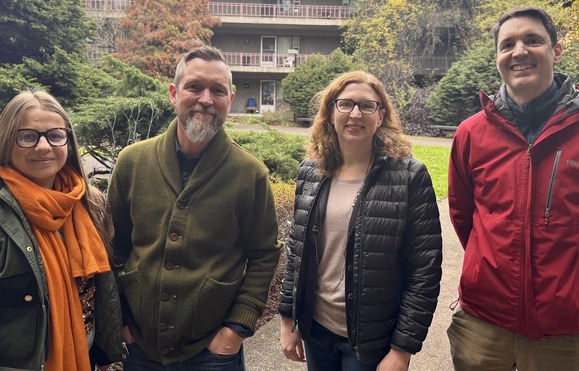
Earlier this month, I visited with Homes for Good Housing Agency and toured one of their publicly-subsidized apartment buildings in downtown Eugene. It was a chance to see firsthand the care and commitment that goes into providing stable, affordable homes for seniors and people with disabilities.
Homes for Good has been serving Lane County for over 75 years, but their mission is more urgent than ever: to help low- and no-income residents navigate a path to safe, affordable housing. I'm grateful for the work of their dedicated staff and for our conversation about how the legislature can continue to support housing stability and affordability. Every Oregonian deserves a safe place to call home, and that commitment drives my work every day.
Onward Eugene
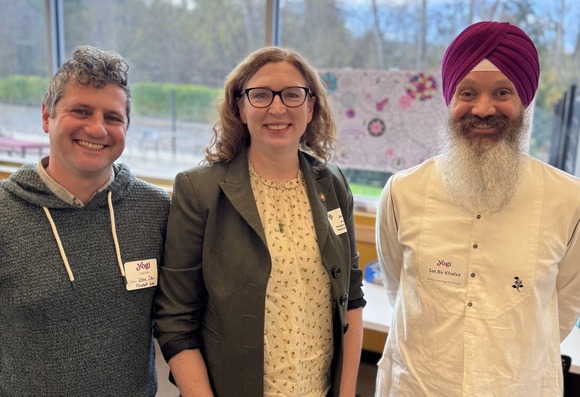
I also had the chance to meet with local Lane County business leaders to discuss the future of our thriving food and beverage manufacturing industry. From tea and coffee, to ice cream and yogurt, to beer and wine, we're lucky to have such world-class producers in our region. Our food and beverage manufacturers create local jobs, support family-owned farms, anchor our supply chains, and help us all keep our dollars local.
Many thanks to Onward Eugene for organizing a great event, and to Yogi Tea (East West Tea Company, LLC) for hosting us at your beautiful facility in West Eugene!
As always, please don’t hesitate to reach out to my office if you need help navigating local or state government services or if you have thoughts about the 2026 legislative session. Your input is valuable as I consider what to prioritize in the coming months.
Yours truly,
 Capitol Phone: 503-986-1414
Capitol Address: 900 Court St. NE, H-271, Salem, Oregon 97301
Email: Rep.JulieFahey@oregonlegislature.gov
Website: http://www.oregonlegislature.gov/fahey
|