|
Dear Neighbors and Community Members,
There was big news last week—Governor Tina Kotek announced a special session on transportation for the Oregon Legislature beginning August 29th. In just over a month, my colleagues and I will return to the Capitol to provide a basic budget to fulfill the transportation needs of this biennium. Governor Kotek has delayed the layoffs of hundreds of ODOT employees until September 15th, allowing the Legislature time to act and preserve these critical positions. I continue to work with my colleagues on both short-term and long-term investments in a safe, resilient, and multimodal system. It is time for us to come back together and keep Oregon moving. After we stabilize this budget, we must look ahead to 2026 and 2027 for our next steps.
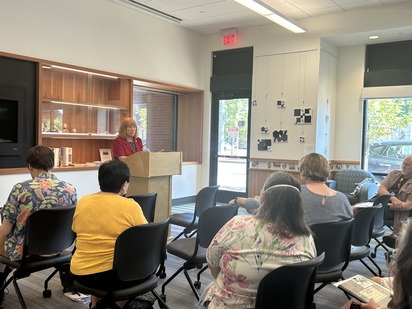
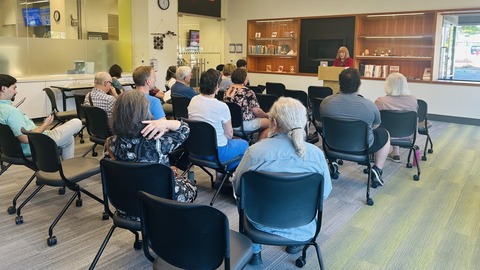
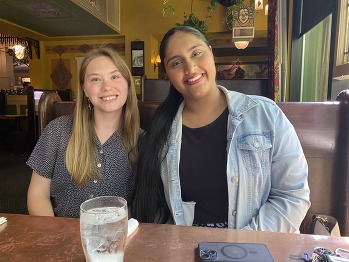
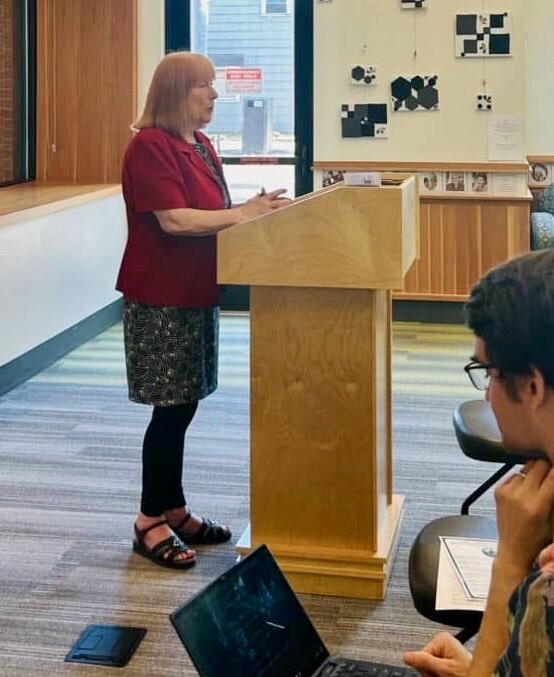
I enjoyed connecting with community in Western Washington County at last week's town hall. We gathered in the Cornelius Public Library to recap the 2025 Session and talk about education, housing, affordability, and more. I appreciate all those who attended and shared their perspective. As a bonus, one of our amazing 2025 Session interns, Khushi, joined our team lunch and town hall in Cornelius! It was great to catch up and hear about her plans to start at Pacific University this fall.
Keep reading this newsletter to find:
- A look ahead to the special session
- My op-ed in the Sunday Oregonian
- Celebrating progress on affordable housing
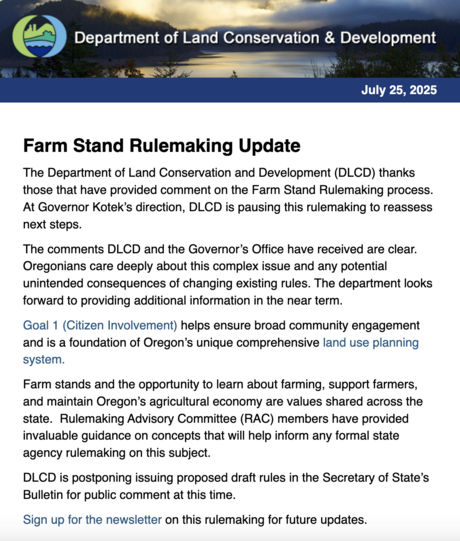
- My response to DLCD's Farm Stand Rulemaking
- Upcoming events in our community, including a town hall!
- What to know about the current fire season
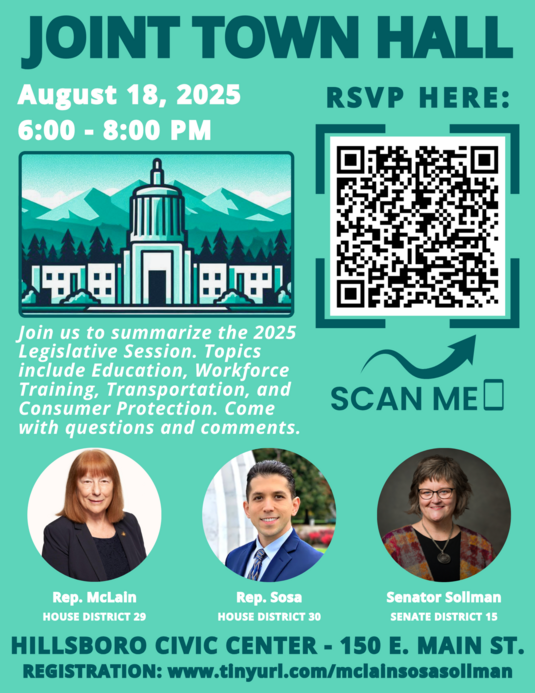
  JOINT TOWN HALL ON AUGUST 18TH
In a long-standing tradition, Senator Janeen Sollman, Representative Nathan Sosa, and I will be hosting a joint town hall to discuss the key accomplishments and missed opportunities from the 2025 Legislative Session. This is a great opportunity to hear from your Western Washington County legislators and ask questions and provide comments. Senator Sollman is a co-chair of the Joint Ways and Means Subcommittee on Education, Rep. Sosa is a co-chair of the Commerce and Consumer Protection Committee, and I am a co-chair of the Joint Transportation Committee. All three committees considered critically important policies in the 2025 Session, and we'll provide insights on the bills our committees worked on.
WHEN: Wednesday, August 18th from 6:00-8:00 PM
WHERE: Hillsboro Civic Center Auditorium at 150 E. Main Street
RSVP: Scan the QR code below or click on the flyer to reach the registration form. You can also use this direct link: www.tinyurl.com/mclainsosasollman
Share the flyer to help spread the word!

GOVERNOR CALLS FOR SPECIAL SESSION
Governor Tina Kotek announced last week that she is using her constitutional authority to call a special session of the Oregon Legislature to begin on Friday, August 29, 2025, for lawmakers to take up legislation to pay for basic road maintenance and operations at the Oregon Department of Transportation (ODOT), as well as address funding needs for local governments and transit districts.
Governor Kotek stated:
“In the weeks since the adjournment of the legislative session, my team and I have worked every day with legislators, local partners, and key stakeholders to zero in on a solution and a timeline for the legislature to come back together and address the state’s most immediate transportation needs. Oregonians rely on these basic services, from brush clearing to prevent wildfires to snow plowing in winter weather, and they are counting on their elected representatives to deliver adequate and stable funding.
“At the same time, ODOT acted prudently in the absence of this funding, initiating a first wave of layoffs on July 7 while also working to reduce the impact to basic services as much as possible. Subsequently, with the agreement of legislative leadership and with a plan for a special session now in place, I have directed ODOT to postpone the start date of layoffs for an additional 45 days, allowing impacted staff more time to make contingency plans for their livelihoods and their families.
“I am confident that lawmakers will step up next month to avert these layoffs by approving the necessary funding for the state’s transportation needs. I appreciate their partnership and am eager to be on the other side of this crisis.”
The Governor’s priority is to deliver needed funding for the state highway trust fund for the 2025-27 biennium and continue the state’s commitment to revenue sharing with local governments. A funded ODOT budget will halt pending layoffs and maintain operations at maintenance facilities scheduled for closure. In addition, her goal is to forestall immediate impacts to transit service through increasing the amount of funding available to the Statewide Transportation Improvement Fund.
The Governor also believes that key provisions related to ratepayer fairness, funding reliability, and agency accountability must be included in the solution.
“The special session will be focused on critical near-term solutions to stabilize basic functions at ODOT and local governments,” Governor Kotek continued. “This is just the first step of many that must be taken to meet our state’s long-term transportation needs.”
Following the adjournment of the 2025 legislative session, which concluded without sufficient resources to fund ODOT’s budget, the agency initiated 483 of an estimated 600 to 700 total layoffs. Absent legislative action to preserve Oregon’s transportation services, a second wave of layoffs, pending any unpredictable winter weather, is planned for early 2026.
|
MY OP-ED ON TRANSPORTATION NEEDS
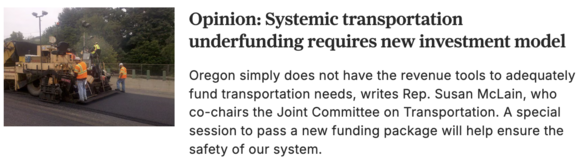
I published an op-ed in this Sunday's Oregonian, outlining the need for stable and sufficient funding for our transportation system and highlighting the key priorities that my colleagues and I must address during the upcoming Special Session on August 29th. To read the piece on OregonLive, click on the image blurb below. I have also pasted the op-ed below the image for your reading.
____________________________________________________________
____________________________________________________________
Opinion: Systemic transportation underfunding requires new investment model
This is one of two op-eds published today on the upcoming special session. To read the other op-ed, authored by House Republican Leader Christine Drazan, click here.
Susan McLain
For The Oregonian/OregonLive
McLain, a Democrat, represents District 29-Forest Grove, Cornelius and Hillsboro in the Oregon House. She serves as co-chair of the Joint Committee on Transportation.
Transportation is our most fundamental public service, fueling everything from economic prosperity to social equity. All communities across the state depend on a safe, resilient and multi-modal system. However, Oregon has underfunded its transportation system for decades, and, as a consequence, the Oregon Department of Transportation now lacks the resources to fulfill its core mission of maintaining our roads, bridges and other infrastructure.
The crisis is systemic. Oregon lacks ways of raising sufficient revenue for maintenance, with Oregonians paying some of the lowest transportation-related fees in the nation. We lack a diverse set of funding streams and rely predominantly on the gas tax for revenue, which is expected to decline this biennium as fuel efficiency and electrification increase. Rising inflation has also increased ODOT’s maintenance and construction costs, heightening the crisis. For the future, we must have sufficient, diversified and stable funding.
Coming up with a way to meaningfully reinvest in our roads and bridges was the problem legislators aimed to solve in the recent legislative session. Unfortunately, we fell short with our proposal, House Bill 2025, which died in the final days of the session. However, the urgent need to fund basic maintenance, safety and improvements to our system continues. As co-chair of the Joint Committee on Transportation, I stand with Gov. Tina Kotek on the need for a special legislative session in August to complete our budget work for this biennium.
While HB 2025 didn’t advance, we should not throw out the work that informed the package, nor the goals that it outlined. We spent over a year developing the best way to ensure a safe, resilient and multi-modal transportation system that serves all Oregonians. Our extensive conversations with stakeholders and communities included: a 13-stop tour that covered every region of the state; over 50 hours of workgroup meetings that included diverse viewpoints; and six months of public informational meetings, hearings, and work sessions in the Joint Transportation and Joint Transportation Reinvestment Committees.
I personally held over 800 meetings during the last 18 months with jurisdictional partners, stakeholders, and advocates on how to prioritize and sustain our transportation system. We heard consistently that we need to fund safe and resilient infrastructure in all parts of the state. Therefore, the goal must be a comprehensive solution that allows state and local partners to meet the infrastructure needs of all Oregonians.
That extensive outreach helped us shape HB 2025, which contained the following elements that are essential for any solution:
- Stable and right-sized funding for maintenance and operations, preservation, safety and completion of critical projects;
- Modernization of transportation funding with short, medium and long-term funding streams, with fee increases spread over a 10-12-year period;
- Requirement for all road users, including electric vehicles and delivery fleets, to pay their fair share;
- Key accountability elements to ensure ODOT is a good steward of the public’s investments;
- Historic safety investments in Great Streets and Safe Routes to School programs, and in wildlife crossings
- Increased transit funding sources to avoid dramatic cuts and stabilize transit services statewide.
But as we realized with the bill’s failure, the proposal was complicated with many intricate layers, as I noted in an interview with KATU’s Steve Dunn. We also faced delays in receiving analysis of the revenue measures, which limited opportunities for crucial discussions. We must avoid these same pitfalls with the next proposal.
The Legislature’s failure to pass HB 2025 means that ODOT cannot maintain even some of its most basic services for Oregonians and has announced layoffs for hundreds of current employees in needed positions. These are workers all over the state who serve on the front lines, dealing with emergencies during wildfires and winter weather, among other key responsibilities. Statewide, nearly 5,000 county road miles and 2,355 county bridges are in poor or fair condition, and ODOT lacks the necessary resources to repair or maintain either state roads or assist with local infrastructure needs. Twelve ODOT Service Stations across the state are closing, and core responsibilities, including snow plowing, debris cleanup and wildfire prevention, will be pared back.
Legislators have an obligation to find a path forward from HB 2025 that ensures the safety and functionality of our multi-modal system. I urge my peers to ensure the essential elements of HB 2025 are part of the solution. We must stabilize our system and ensure ODOT provides essential services. We cannot afford to ignore the crisis. If we delay, backlogs will grow more expensive, and the risks to public safety and economic stability will only increase. We were elected to ensure Oregonians have the services they need. Let’s get back to work and finish the job.
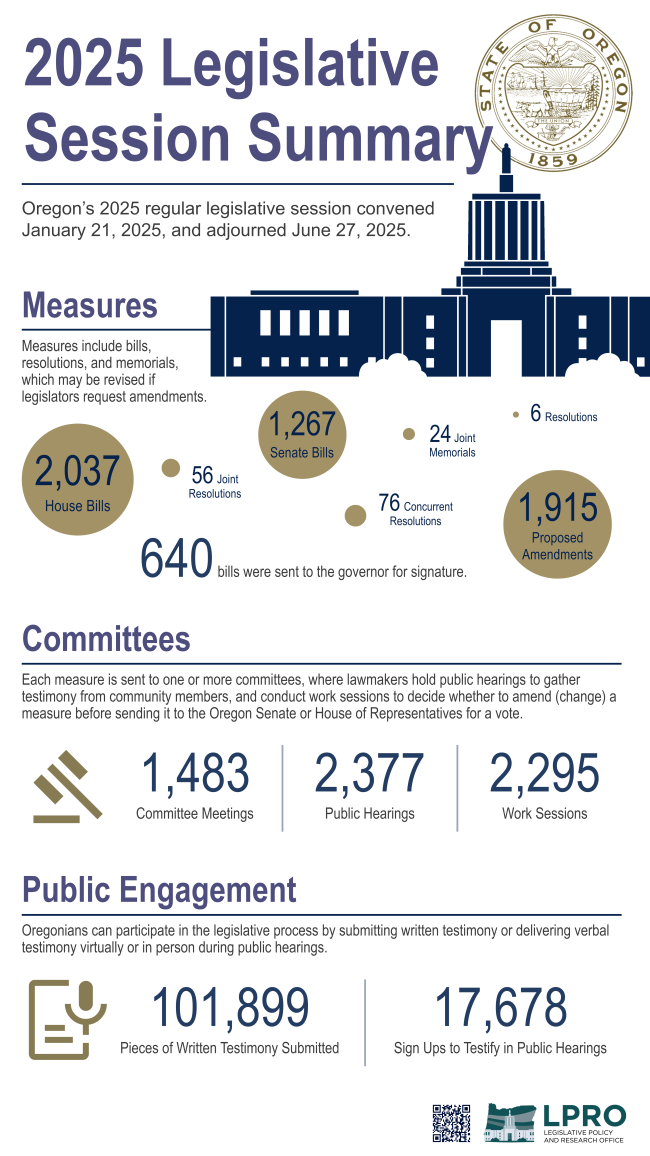
THE 2025 SESSION AT A GLANCE
If you want to learn more about legislative action in 2025 in a specific policy area, I recommend you visit the LPRO website and check out the "Legislative Summary Reports" that are published by the non-partisan Legislative Policy and Research Office.
These reports summarize policy measures that received public hearings during the 2025 Regular Legislative Session, including bills, memorials, and resolutions. Measure summaries are organized into chapters by policy areas. LPRO’s Summary of Legislation web page allows you to see all Summary of Legislation documents or browse by policy area. You can also click on the hyperlinks below to read the new Legislative Summary Reports.
· Behavioral Health
· Business and Consumer Protection
· Civil Law
· Courts
· Criminal Justice
· Early Childhood
· Education
· Emergency Preparedness
· Energy and Environment
· Health Care
· Housing, Development, and Homelessness
· Human Services
· Labor and Employment
· Natural Resources
· Transportation and Infrastructure
· Veterans
LPRO also provides an at-a-glance view of the policy measures in the Summary Reports through an interactive dashboard. The dashboard allows users to explore measures by policy areas and subtopics, learn whether the measures were enacted, or view measures by the chamber of origin. You can also use the search feature to find measures by their measure numbers or through key terms in the measure summaries. Try it out! LPRO also created the snapshot below of the 2025 Legislative Session:
 PROGRESS ON AFFORDABLE HOUSING
The issues contributing to Oregon's affordable housing crisis are varied and complex, necessitating a diverse array of solutions targeted at specific and narrow aspects of the overall problem. As such, the Legislature, the Governor, and Oregon Housing and Community Services (OHCS) have approached the goal of increasing affordable housing from as many different angles as possible. OHCS has been instrumental in making progress in our efforts to improve the availability of affordable housing by implementing a multitude of programs and grants that have cumulatively been impactful. Keep reading for two recent examples of OHCS program achievements that are moving the needle to reach our goal of getting as many Oregonians into affordable housing as possible.
🎉 $6.5 million in funding for Individual Development Accounts:
Oregon Housing and Community Services (OHCS) and Neighborhood Partnerships (NP) award $6.62 million to help families and individuals save and build assets. The funding was granted to 11 organizations in support the Individual Development Account (IDA) Initiative.
IDAs are an economic empowerment tool that support people in reaching financial goals by matching their savings up to 5-to-1 and connecting them with community-based education and support. A statewide network of more than 60 IDA providers reaches rural and urban communities.
IDAs combine financial education, matching cash with savings, and personalized support to achieve financial goals such as homeownership, small business development, and post-secondary education. These modest investments bring a host of benefits to Oregon households, including a safety net in the event of financial emergencies, confidence to plan for the future, and a pathway to economic mobility.
Since its launch 25 years ago, the Oregon IDA Initiative has reached more than 19,000 Oregon households across the state.
Support for the IDA Initiative comes through the Oregon IDA Tax Credit. Donors to the Oregon IDA Initiative can receive a majority of their donations back as an Oregon State Tax Credit and the remaining amount as a Federal Charitable Deduction. Learn more about the Oregon IDA Initiative.
🎉 2,797 Affordable Homes Funded in Past Year:
Oregon Housing and Community Services (OHCS) is one of the first housing finance agencies in the country to offer a non-competitive funding process after launching the Oregon Centralized Application (ORCA) a year ago. The affordable housing funding process is an always-open system that accepts applications on a rolling basis. This modern structure enables an ongoing evaluation of projects, allowing those that are ready to move forward without waiting for the next funding opportunity.
Over the past year, 91 affordable housing projects submitted applications—with 42 receiving funding approvals from the Housing Stability Council, totaling 2,797 urgently needed homes.
One of the benefits of the ORCA it that it allows OHCS to track how many affordable housing developments are seeking funding. Currently, more than 15,000 rental homes are in the development pipeline across the state. These homes could potentially get funded and built if OHCS has available resources.
The ORCA process was created to eliminate unnecessary barriers and support developers earlier. By finalizing funding after core due diligence is completed, OHCS ensures that projects are more resilient to setbacks and better positioned to break ground quickly.
OHCS is preparing to implement further updates to ORCA in the upcoming 2025–2027 biennium, including strategies to better serve rural communities, ensure a more predictable funding pipeline, and support readiness for new legislative investments.
UPDATE ON FARM STAND RULES
Over the past week, I have heard concerns from many community members about the proposed rules on farm stands and agri-tourism from the Department of Land Conservation and Development. As a fifth-generation Oregonian who grew up on farms in the Willamette Valley, I recognize that our agricultural industry isn't just important to our state's economy—it is part of our identity. My priority is to support local farmers and growers by ensuring they have the ability to sell their products, educate the public about farming, and continue offering unique recreational opportunities, like hayrides, pumpkin patches, and u-pick experiences.
The proposed rule changes by the Department of Land Conservation and Development (DLCD) sought to clarify the types of activities allowed under different land use categories, particularly for farm stands. However, widespread concerns about adding unnecessary burdens to local farms led to Governor Kotek's decision to pause the rulemaking process to reassess and allow more time for community engagement. I will be paying close attention to this issue to be sure the path forward is balanced and allows for the success of our local farmers and growers.
  HIGHLIGHTS FROM CORNELIUS TOWN HALL
Thank you to all who attended last week's town hall at the Cornelius Public Library. Listening to feedback from our community members is one of the most important parts of my job as a State Representative.
We discussed some of the most significant challenges and opportunities in Western Washington County and around Oregon: maintaining and improving our transportation system, ensuring our students have access to a world-class education, making life affordable for working families, and protecting our environment while addressing the urgent need for housing. I appreciate each person who spent the evening engaging with these issues.
Before the town hall, I enjoyed a mini team lunch with 2025 Session intern, Khushi, and my Legislative Assistant, Grace. We got to prepare for the event over a nice meal at the Grand Lodge. We missed our Chief of Staff, Carolyn, and our other 2025 Session intern, Keenan!
COMMUNITY EVENTS & OPPORTUNITIES
Below is a selection of upcoming events or engagement opportunities in Western Washington County. There's always something great going on in our community!
______________________________________________
Join the Forest Grove Civics Academy
The Civics Academy is an interactive, behind-the-scenes look at how your local government works. This free program is designed for community members who want to deepen their understanding of City operations, meet City staff, and explore how decisions are made. No prior experience or knowledge is required. All backgrounds welcome.
Applications close August 8th. Click here to learn more and apply.
|
Catch a Movie in a Local Park
Be Prepared for Hot Weather
Extreme heat can be dangerous, and we've already seen some warm days this summer. Below are resources from Washington County to help you stay safe and cool during the hot summer months. Click here to visit Washington County's website and read more.
Find a place to stay cool:
Ways to stay cool on hot days: Watch the video below for simple summer safety tips.
 STATUS OF WILDFIRE SEASON & TIPS
With over 70% of Oregon wildfires caused by human action, this is the time to be extremely vigilant with fire prevention tactics. Below is important information to keep in mind for fire prevention:
Know Before You Go: Campfires may be prohibited outside of maintained campgrounds with established fire pits. Always contact the forest district, agency or landowner first to learn if there are any current campfire restrictions where you plan to recreate.
Call Before You Burn: Burning regulations are not the same in all areas and can vary with the weather and fuel conditions. Check to see if there are any current burning restrictions or if a permit is required.
Create defensible space: Create a 30-foot perimeter of defensible space around your home to reduce the risk of wildfires. Fire follows the fuel. Make sure your landscape is LEAN (plants are spaced apart), CLEAN (free of flammable debris), and GREEN (healthy and watered often).
Resources for Fire Prevention:
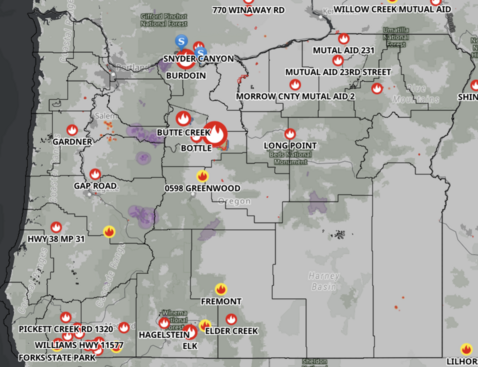
To see Oregon's interactive fire map for this season, click here or on the image below.
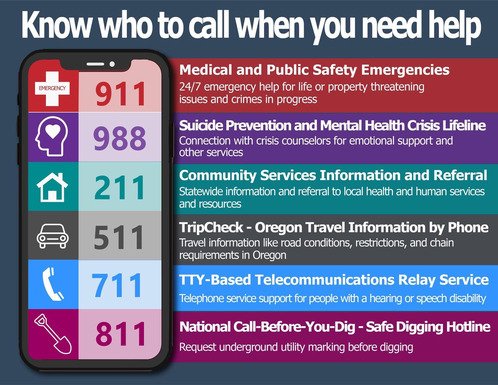
  My office has compiled a list of resources for our community. You can click on the images below to open a document with the relevant links. If you know of a resource that should be included here, or you need a resource and are having trouble finding the information you need, please do not hesitate to reach out to my office at rep.susanmclain@oregonlegislature.gov.
EDUCATION RESOURCES
|
Click here, or on the image to the right for a list of Education-related resources. This includes links to the Forest Grove and Hillsboro School Districts, the Oregon and US Departments of Education, information on how to pay for college, student lunch programs, and much more!
WILDFIRE-RELATED RESOURCES
|
|
 |
|
Click here, or on the image to the right for important resources related to wildfire prevention and recovery. This list includes links to current fire restrictions and recreation site status maps, the Oregon Department of Forestry's fire prevention tip page, and important resources for wildfire victims.
RESOURCES FOR OUR VETERANS
|
|
 |
|
Click here, or on the image to the right for a list of important resources for Veterans, including links and phone numbers to the various divisions of the Oregon Department of Veterans Affairs, local Washington County assistance, supportive and community-based groups like the American Legion, and mental health resources.
STATE & LOCAL GOVERNMENT
|
|
 |
Click here, or on the image to the right for links to important local and state government pages, including the Hillsboro, Forest Grove, and Cornelius city government pages. You can also access the Oregon Legislature's page, and other important state agency sites, like the Department of Motor Vehicles, the Unemployment Department, and the Oregon Health Authority. |
|
 |
I appreciate everyone who attended my town hall in Cornelius last week., and I hope many of you can attend the next one - a joint town hall with Rep. Sosa and Senator Sollman on August 18th. Thank you for reading this week's newsletter, and remember to reach out with any questions or comments.
Yours truly,
 Representative Susan McLain
House District 29
email: Rep.SusanMcLain@oregonlegislature.gov I phone: 503-986-1429
address: 900 Court St NE, H-493, Salem, OR 97301
website: http://www.oregonlegislature.gov/mclain
|