|
Replies to this message are sent to an unmonitored mailbox.
To contact me, please click here: Rep.AnnaScharf@oregonlegislature.gov
Dear Friends,
I hope you all had a wonderful 4th of July celebrating our independence and honoring those from the past that built our nation and gave us the freedom that we have today.
I was at work on the 4th of July because farming does not stop for holidays. Crops don’t know it’s a holiday. We are fortunate to have amazing employees as well who also understand the farming way of life and believe in the value of hard work despite the challenges we face daily in agriculture.
Since the 4th, it has not been all farm work however, there is still some legislative work to do. There has been time to reflect on the long legislative session; what was accomplished, opportunities missed, and what we now face as bills passed are put into law.
While differing viewpoints are part of the process, collaboration and a shared commitment to Oregon’s future remain essential to achieving real results for the communities in House District 23 and across the State.
This update includes a look at highlights from the session, and a more in-depth recap of some of the major legislation.
This weekend marked the 4th anniversary of my appointment to the Legislature. Serving as your State Representative continues to be an incredible honor and I am blessed to have such an amazing district.
While I am back on the farm working, my wonderful staff, Abby, is here to help. Whether it’s listening to concerns or answering questions we remain committed to being accessible and responsive.
Now that we’ve adjourned, I’ll continue to send monthly newsletters throughout the interim as well as any urgent updates my office hears about.
Sincerely,
 Anna Scharf
State Representative - HD 23
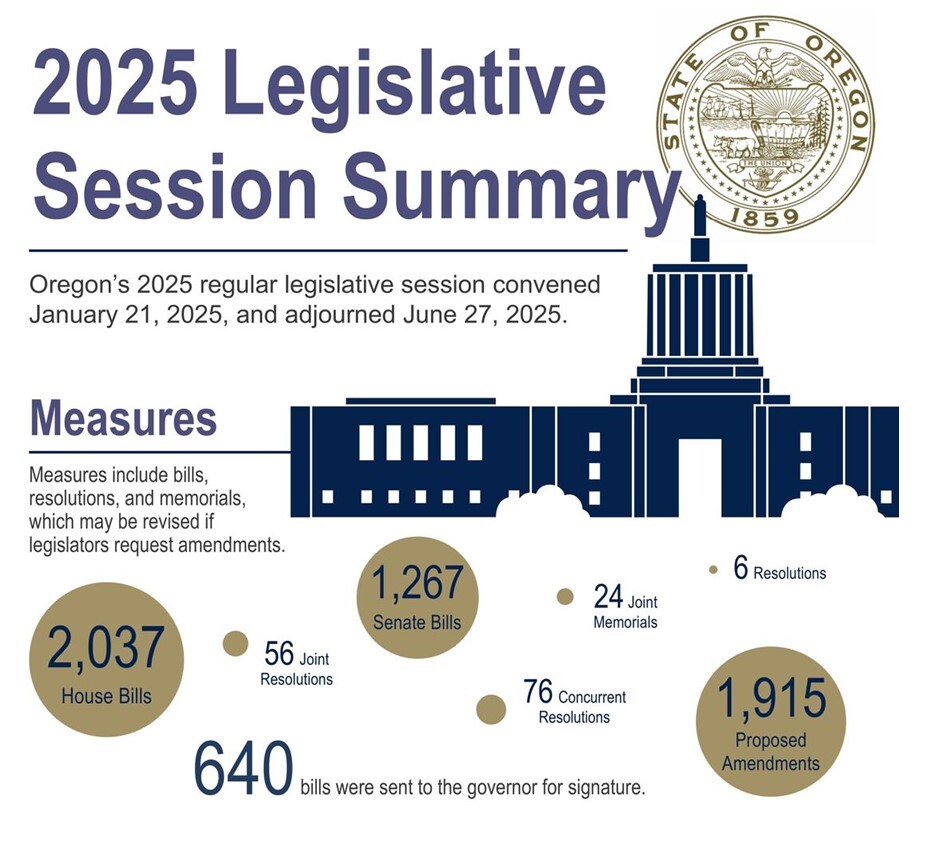 I sat on three policy committees and a Sub Ways & Means Committee this session. So, I personally had a total of 175 committee meetings, not to mention additional committee meetings I attended to either watch or testify on a specific bill.
Wildfire maps repealed & funding source dedicated
House Republicans introduced their owned version of SB 83, which repeals the State’s flawed wildfire hazard map, but at the end of the day the Senate version survived. Either way, the repeal of the flawed wildfire hazard maps is a victory for all Oregonians.
While some may not like the tradeoff that was made for where some funding will come for wildfire relief, the behind the scenes work made it a good compromise for multiple legislative concerns. HB 3940 adds a new tax on nicotine pouches like ZYN pouches. The tax was brought by industry as a solution to a funding need as these pouches were currently outside the Oregon nicotine tax. This was also part of the deal to kill the conversation around banning flavored tobacco during this session and the upcoming short session to allow for time to have a longer conversation around meaningful solutions vs outright bans on an adult product.
While a full and complete solution to wildfire funding is still needed, HB 3940 was a positive first step.
Firearms and 2nd Amendment attacks continue
While it is easy to focus on the one bad 2nd amendment bill that passed this session, SB 243, there were multiple others that were stopped.
SB 243 expands on SB 554 from the 2021 session. It increases the locations where local control can determine if legal conceal carry permit holders can be banned from carrying. SB 554 covered just the State Capitol, PDX, K-12 public schools and a few other locations. SB 243 expands to all cities, counties and special districts such as parks and rec districts, water districts, cemetery boards, etc. However, those entities must approve the change so it is important to keep your 2nd amendment voices heard at the local level.
The bill also added in portions from SB 696 which creates the crime of unlawful transport, manufacture or transfer of a rapid fire activator. This includes items like bump stocks, trigger cranks, and other devices that can be used to modify firing rates.
Firearms legislation that failed included:
HB 3076 - A bill that would have made life miserable for Oregon’s firearm retailers by changing eligibility and licensing requirements, including a three day waiting period after passing a background check.
HB 3075 – A bill that would make Ballot Measure 114 easier to implement.
SB 429 – Omnibus FOR SB 429, SB 696, SB 697, SB 698. The bill prohibits a gun dealer from transferring a firearm or unfinished frame or receiver until 72 hours have elapsed from the time the gun dealer requested a criminal background check, and the gun dealer has received the background check approval number from the Department of State Police.
SB 697 – Prohibits a person under 21 years of age from possessing firearms with specified exceptions.
Union handouts and donation paybacks
One of the biggest agenda items of the session for the supermajority was union centered handout bills, and it was evident in the legislation that passed. Legislation that will add cost to public works projects, drive private business out of Oregon, and cost Oregon schools and taxpayers millions of dollars.
The bill that received the most publicity was SB 916 which grants unemployment benefits to striking public employees. Despite offering amendments that would have softened the blow to school districts, cities and counties, the supermajority pushed the bill through both chambers on party line votes and the bill has already been signed by the Governor. The bill was so publicly unpopular that there has already been an initiative petition filed to allow the voters to repeal it.
The buzzword of the session, “bespoke." A word I had never heard despite many years in custom contract manufacturing until HB 2688. This bill effects ALL manufacturers doing custom work for public works projects, which is a lot broader than what supporters of this bill indicated. This only sets manufacturers up for failure, as they try to comply with both this law, and the pay equity law we have in Oregon. If one employee is working on material ordered for a public contracting job, and another is working on a similar piece for a private job, this will create an issue under pay equity, since one will be paid prevailing wage and the other will not.
It is issues like this that show that this bill is not ready for primetime. There are so many questions still out there on this bill. What is “bespoke”? How are manufacturers going to be able to implement this? How are local governments going to afford the increased costs this is going to bring? Why are we making the active decision to send MORE manufacturers packing from our state?
HB 3881, was an expansion to legislation passed in 2023. However, public K-12 projects were exempt at that point in time. With the success of school districts across the state passing local bond levies to improve school building and build new ones, the unions came in to close the gap. HB 3881 has the potential to add 20-25% cost to school district projects if they are unable to meet the apprenticeship requirements of the bill. Rural school districts will be hit the hardest with this as the apprenticeship requirement is for union apprentice programs only and many rural companies are small local family owned businesses that are open shop.
Transportation
As you may have seen from several previous newsletters, HB 2025 - the $2B a year transportation tax increase failed. The supermajority had control with 36 in the House, 18 in the Senate and the Governor, and 6 months to pass a bill. Yet they waited till the final two weeks of session to release and push a massive $2B a year tax increase that included a 50% gas tax increase, a 300% wage tax hike for buses, a new car tax, doubling of many DMV fees, new delivery vehicle taxes indexed to inflation, and more. It was so bad even a supermajority could not save it.
House Republicans had a better solution, HB 3982, but this bill didn't even receive a public hearing. Although a HUGE tax was avoided, a transportation package is still needed.
Even though the Oregon Department of Transportation (ODOT) operating budget, submitted by the Governor (the Governor’s recommended budget or GRB) was passed by the legislature, ODOT has begun laying off nearly 500 maintenance and support workers. I find this move extremely disheartening considering the previous budget for ODOT was set until 2026, AND the GRB passed which is separate from a transportation package.
It has been said over and over again that ODOT has poorly managed their budget and as a result they are now facing a $354 million deficit. Laying off the people who actually have boots on the ground, who operate the equipment and do the work will not solve a management problem.
Despite everything going on, many road projects will still continue as they are funded with other state and federal funds. Please take the time to read this well written article by Willamette Week.
So, what is next? For now, we wait and see. The Governor could very well call a Special Session, and I fully anticipate she will, but if there is no better planning or proposals from when session ended then there is no point. The numbers are still 36-18-1 and there is still a supermajority. The only thing that has changed is Oregonians are watching and they have made it clear they do NOT want more taxes and they will no longer fund state agencies who waste their money
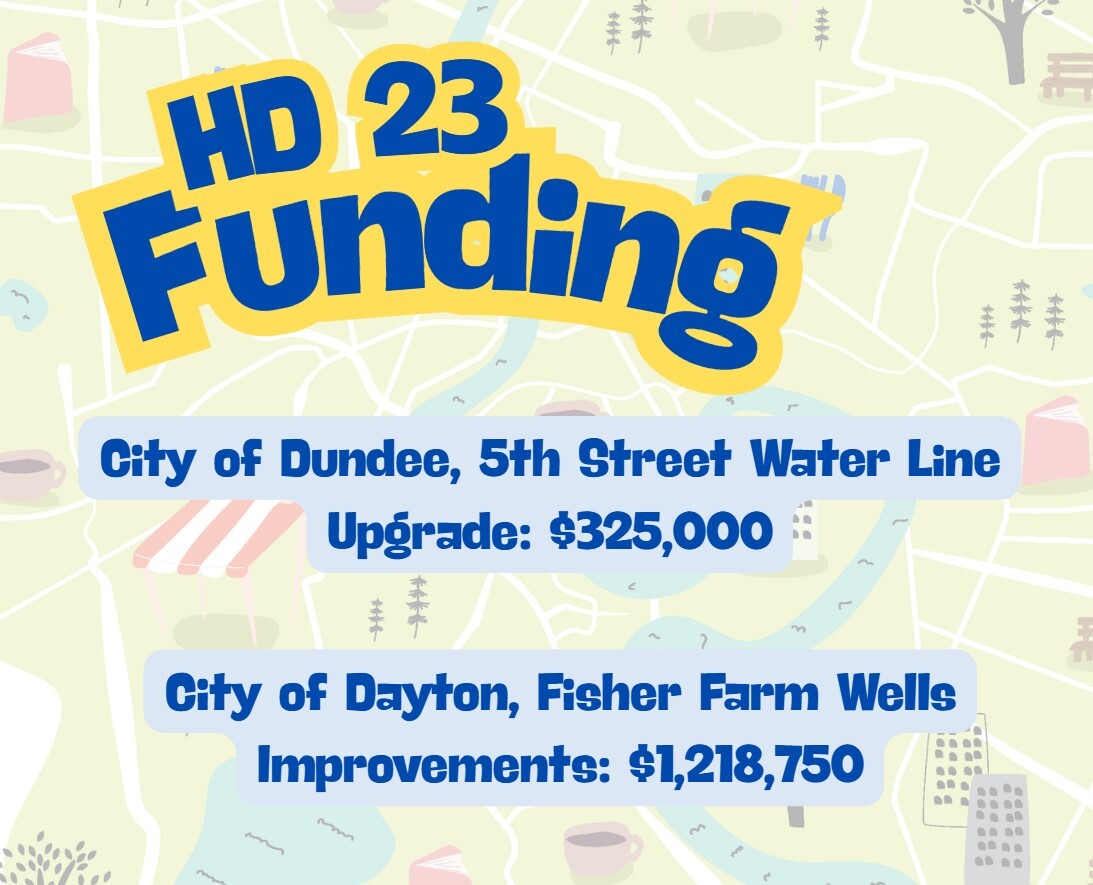
I worked closely with HD 23 cities and counties this session, and while I requested funding for several projects throughout the district, only two of those requests were funded via HB 5006. Essentially, this bill is the budget reconciliation bill also known as the "Christmas Tree" bill; where smaller budget appropriations are approved by the Co-Chairs of Ways and Means. While I wish I could have gotten all of the HD 23 projects approved and large projects like those seen in the majority party districts, I am grateful for what we were able to get and will continue to fight for more in the short session.
The Legislative Policy and Research Office (LPRO) 2025 Legislative Summary Reports are now available. These reports summarize policy measures that received public hearings during the 2025 Regular Legislative Session, including bills, memorials, and resolutions. Measure summaries are organized into chapters by policy areas.
LPRO’s Summary of Legislation web page allows you to see all Summary of Legislation documents or browse by policy area. You can also click on the hyperlinks below to read the new Legislative Summary Reports.
Legislative Summary Reports (2025)
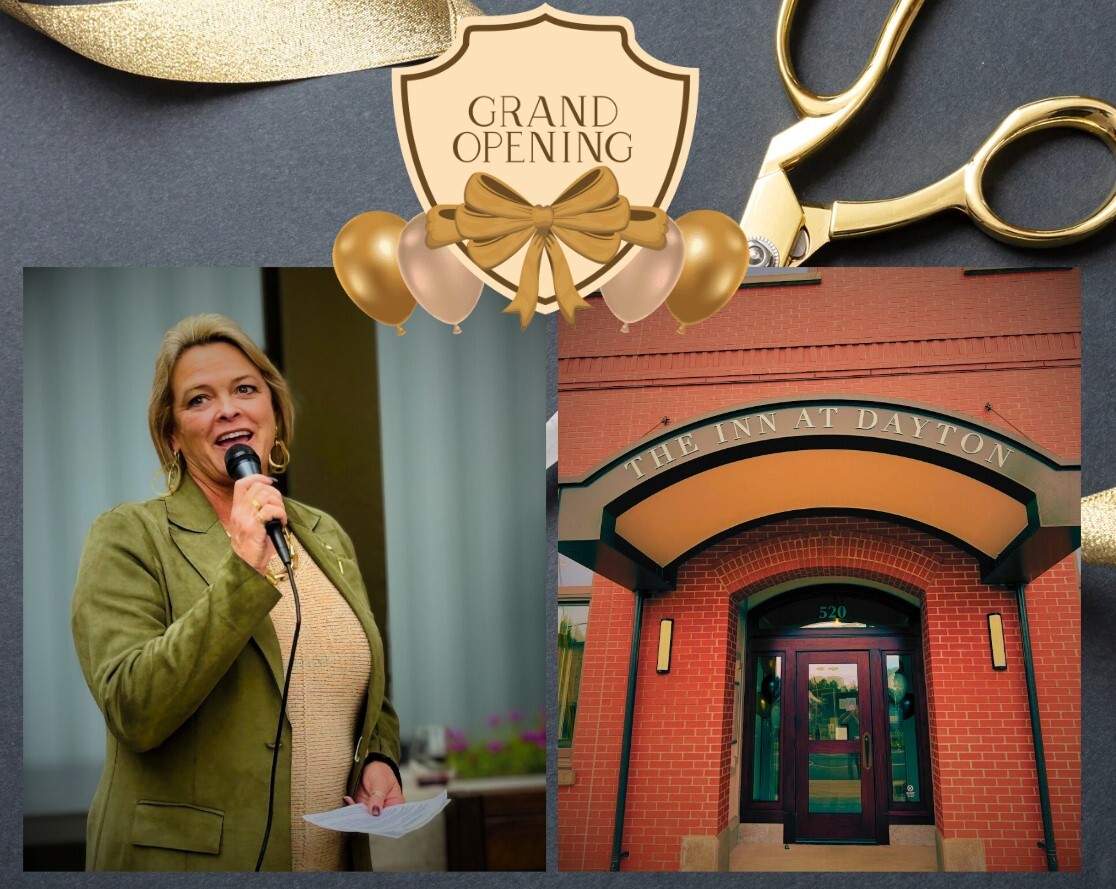
The Inn at Dayton recently held their grand opening and it was truly an honor to be a small part of this ribbon cutting. This project and the entire Merchant block are examples of what is possible in small towns across our state when local community members invest and care about their hometowns. For Dayton, that hometown investor was Bill Stoller.
Bill was a visionary businessman and community leader who valued his hometown and saw what it could grow into. The Grand Opening celebration of the Inn at Dayton is a great way to honor his legacy, acknowledge the importance of community investment, and encourage continued involvement by others.
If you get a chance, go check out this fabulous inn!

I was invited to attend the St. Paul Rodeo Legislative Tour, and while St. Paul isn't within HD 23, it's next door and enjoyed by many of our community members. I really enjoyed the behind the scenes tour and can’t thank this community of volunteers for all they do for the contestants, the community and continuing to share the cowboy way of life with those from outside the area.


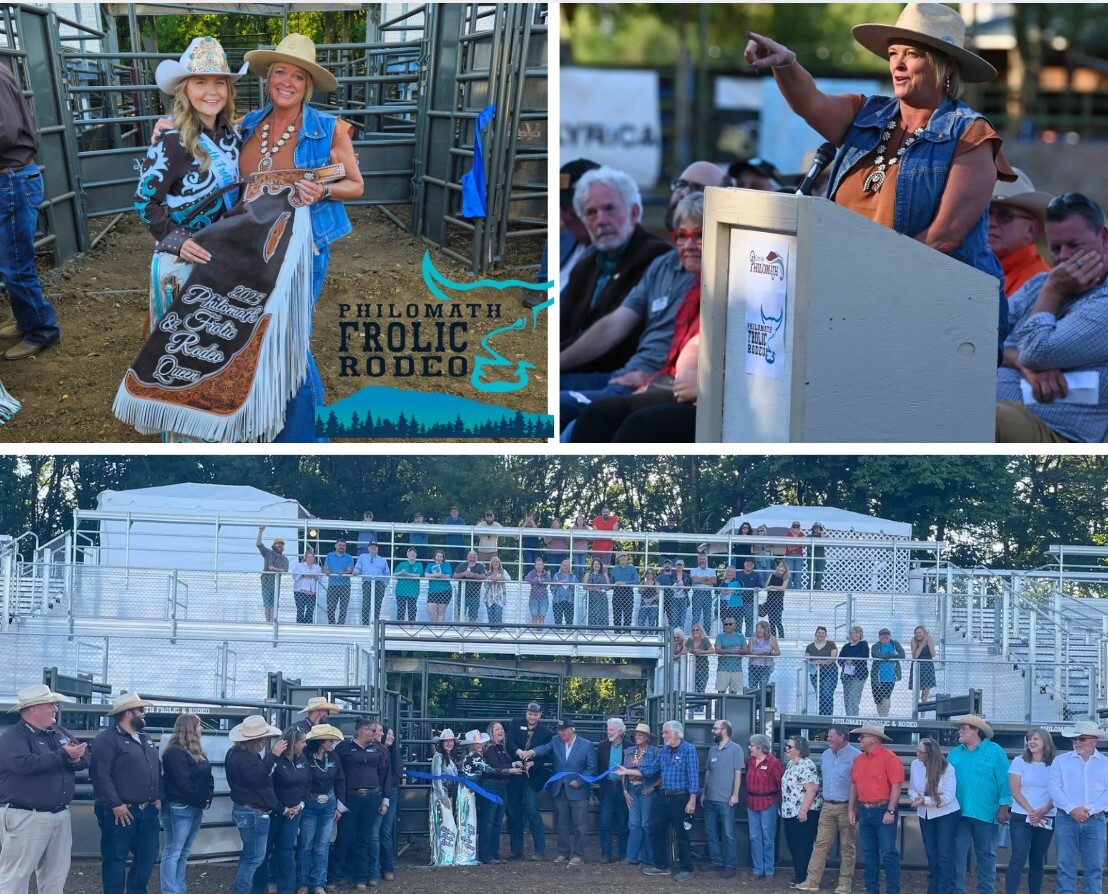
Philomath is no longer in HD 23, but it will always be my hometown! I had the honor of speaking at the ribbon cutting for the new grandstands for the Philomath Frolic Rodeo, which is one of my favorite events. If you missed the Frolic this weekend make sure you watch for upcoming community events held there and get your tickets for next year as they continue to grow! A special thank you to Brad Fuqua of the Philomath News for sharing these great photos!
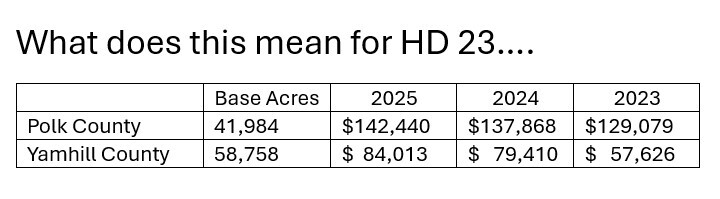
 U.S. Department of the Interior Authorizes $31 Million in Payments in Lieu of Taxes (PILT) for Oregon Counties
Recently, the Department of the Interior announced that more than 1,900 state and local governments across the country will receive a total of $644.8 million in Payments in Lieu of Taxes program (PILT) of which $31 million dollars is designated to Oregon counties. Because local governments cannot tax federal lands, annual PILT payments help defray the costs associated with maintaining community services including firefighting, policing, education, and road construction. PILT payments are made for tax-exempt federal lands administered by the Bureau of Land Management, Bureau of Reclamation, National Park Service, and U.S. Fish and Wildlife Service, the U.S. Forest Service, and the U.S. Army Corps of Engineers. Payments are based on the number of acres of federal land within each county or jurisdiction, and the population of that area.
From Congressman Cliff Bentz: “Since PILT payments began in 1977, the U.S. Government, through the Department of Interior, has distributed more than $12.6 billion dollars. PILT makes sense, since the Government collects more than $20.7 billion in revenue ANNUALLY from commercial activities on public lands. Millions of acres of federal land are located in Oregon counties, but this land cannot be taxed. Nonetheless, these counties and the people in them shoulder the multitude of costs that benefit this land such as maintaining roads, schools, first responders, law enforcement, and fire protection. This PILT program helps defray some of the cost associated with maintaining these crucial services.”
Individual payments may vary from year to year as a result of changes in acreage data; prior-year federal revenue-sharing payments; and inflationary adjustments based on U.S. Census Bureau data.
The Capitol Accessibility, Maintenance and Safety (CAMS) project has been ongoing since 2016 with two phases being complete and currently working on the completion of phase three. The CAMS project is to improve the structure of the building - making it ADA accessible and within seismic standards.
If you were able to visit the Capitol this past session, you would have noticed the majority of the building is still under construction, but legislator offices and hearing rooms were available. Now, the Capitol is closed to the public until September 29th. Even staff and legislators are not able to use their offices at this time. It is predicted CAMS will be complete at the end of 2025.
Capitol Phone: 503-986-1423
Capitol Address: 900 Court St NE, H-387, Salem, OR 97301
Email: Rep.AnnaScharf@oregonlegislature.gov
Website: https://www.oregonlegislature.gov/scharf
|