|
Replies to this message are sent to an unmonitored mailbox.
To contact me, please click here: Rep.LisaFragala@oregonlegislature.gov
 Dear Friend,
Although the 2025 session ended in June, my days feel as busy as ever and little has slowed down this summer. I’ve been filling the majority of my time these last two months connecting with community members and attending as many local events as I can. My office is also beginning preparation for the upcoming short session in January.
Although the 2025 session ended in June, my days feel as busy as ever and little has slowed down this summer. I’ve been filling the majority of my time these last two months connecting with community members and attending as many local events as I can. My office is also beginning preparation for the upcoming short session in January.
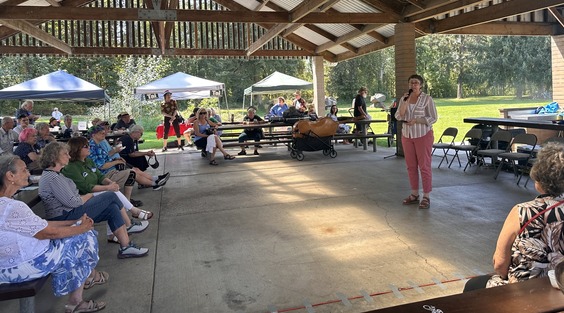
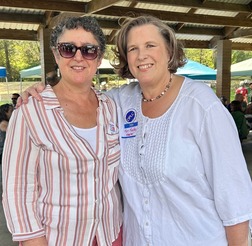
Just this past Sunday, I attended the Democratic Party of Lane County's Annual Chili Cook-off. I look forward to this event every year; it's a wonderful opportunity to come together and celebrate the community we are creating in Lane County. After all, change happens first on the local level-- and stomachs full of delicious chili certainly don't hurt!
|
This past weekend was also our joint town hall with the Eugene-Springfield Legislative Delegation and this Friday, August 29th, the Oregon Legislature will convene in Salem for a special session regarding transportation funding. Things won't be slowing down anytime soon!
Let's take a look at what we discussed during the town hall, preview the upcoming special session, and take a look at some of the other things I've been up to during these last two months.
 Joint Eugene-Springfield Legislative Town Hall
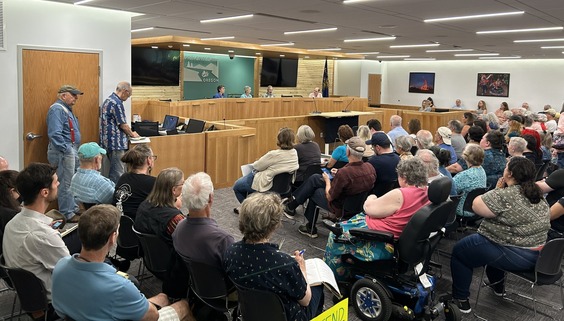
We had a phenomenal turnout at our town hall this past Saturday. Over 180 community members joined myself, Senator Prozanski, and Representative Nathanson. It was uplifting to see such strong turnout from our local community. Even with people overflowing into the lobby outside the hearing room, the crowd was thoughtful, engaged, and asked good questions. I'm grateful for the active community we have here in the Eugene-Springfield Metro Area. Here are some of the main things we talked about:
 |
Access to Healthcare
Ensuring that our community continues to have access to healthcare was a big topic of conversation. Questions ranged from hopes for much needed emergency services in West Eugene to questions about continued protections for gender affirming care in Oregon. Rep. Nathanson talked about how McKenzie-Willamette Medical Center is currently in the design and planning stage for a new satellite emergency facility and described how work is in progress with a developer on a location for West Eugene. I agree with many community members that this is an important project for our community. Rep. Nathanson also spoke about the need to improve and regulate Urgent Care Centers as a point of access for health services.
After Rep. Nathanson finished speaking, I explained how other states have taken language within the Affordable Care Act and codified it into state law in order to ensure protections for gender affirming care at the state level. While Oregon hasn’t moved to do that, we actually have the strongest comprehensive reproductive health-care act in the country. It’s robust, and in many ways, stronger than legislation that covers the same protected classes in the Affordable Care Act. Our state government stands prepared to protect the rights of our trans-community members, just like we would stand ready to protect the rights of any Oregonian’s access to healthcare.
Affordable Housing
Not surprisingly conversations regarding affordable housing for both renters and homeowners continues to be a priority for Eugene-Springfield residents. As a member of the House Committee on Housing & Homelessness, I responded to questions and talked about how the state has made substantial investments in this area. We also need to continue to remove barriers and promote housing production with an emphasis on affordable and workforce housing.
-
In 2023 we passed annual rent stabilization caps of 10% and in the 2025 session, we built on this with rent stabilization for manufactured home parks with an annual 6% cap.
-
We invested $50 million this past session for preservation work to keep existing affordable homes affordable. Local projects like Yapoah are an example of how preservation work remains one of our best returns on investments.
-
People aged 50+ are the fastest-growing group of people experiencing homelessness in America and their numbers are estimated to triple by 2030. To ensure older Oregonians have the housing they can afford the legislature established the Senior Housing Development Initiative in the last session—this includes $23.5 million to incentivize housing development and $3 million for home upgrades like ramps or installation of grab bars.
-
In the 2025 session, we passed legislation to establish and stabilize a Statewide Shelter Program. The state budget allocates $205M to keep the shelter system stable over the next biennium.
-
Continued investments were made in the Local Innovation and Fast Track (LIFT) program. This program increases the supply of affordable housing through funding for both rental and homeownership. Oregon’s 2025 budget allocated $48M to fund thousands of new affordable rental homes, such as the Coleman in West Eugene, and Ollie Court in the Jefferson Westside Neighborhood which will also include childcare services. There is also $100.9M in funding for permanently affordable, entry-level homes.
There is no one single solution, and this list represents just some of the strategies we are implementing. However, we need to keep coming at this problem with multiple & diverse strategies and our communities need a broad range of tools to be able to address these challenges locally. I am personally committed to continuing to do this work and I believe our local delegation and Oregon’s governor are as well.
Stabilizing Higher Education
News about potential cuts at the University of Oregon were top of mind at the townhall, as well as concerns about community college funding. Since I serve on the House Committee for Higher Education, I also responded to these questions, and this is a topic I’m quite passionate about. Our community colleges statewide and our public universities are struggling. We have underfunded higher education for decades, and the impacts of that are significant increases in tuition or the loss of services and programs to students. These are the avenues institutions have to balance their budgets. It is really students who lose out the most because they’re paying more and they are also losing access to programs and services.
|
At the townhall there were signs calling out that “the University of Oregon is in Crisis.” I think that our entire higher education system is in crisis, and I’m also committed to working on a solution. This past week, myself and other members of the House Committee on Higher Education met with the Governor’s office to ask her to work with us to begin thinking about how to stabilize & revitalize Oregon’s higher education system. This is a critical priority for our state’s workforce development and economic development, as well as ensuring we have an educated civil society.
Impacts of HR1
Many people also expressed concerned about the impacts of HR 1 (the federal government’s big ugly bill). It’s hard to overstate just how dire HR1’s impact is going to be on Oregonians and on our state budget. Innocent people will suffer because of these cruel and unnecessary cuts-- cuts that are going to fund even more tax breaks for the wealthiest Americans.
☹ Cuts in HR1 total about $15 billion for our state over the next several years.
☹ These cuts strip health care from hundreds of thousands of Oregonians with cuts so deep they could force hospital closures— especially in rural Oregon.
☹ They represent $3 billion in cuts to food assistances programs, like Food for Lane County, taking much needed food away from seniors, families, and children.
Both Rep. Nathanson, Senator Prozanski, and myself talked about how unfortunately our state budget can nowhere near make up an $11.7 billion shortfall, but that our local legislative leaders will continue to fight for Oregonians.
We will do everything in our power to shield Oregon families, fight for the essential services our communities need, and to defend Oregonians from the worst impacts of Trump’s big ugly bill.
Senator Proazanski also shared information about the efforts of Attorney General Dan Rayfield and Secretary of State Tobias Read. AG Dan Rayfield has already sued the federal government thirty-six times. That’s an average of five lawsuits each month since Trump took office. Among the lawsuits, the state of Oregon is arguing Trump is unconstitutionally: using his power to impose tariffs; blocking federal funding for Planned Parenthood; sharing Oregon residents’ Medicaid records with federal immigration enforcement officials; and demanding that states turn over personal data about residents receiving food assistance.
Secretary of State, Tobias Read, is also hard at work protecting our election systems in the face of federal attacks on vote by mail and demands that our state provide personal information about all Oregon voters. Secretary of State Read flatly rejected a demand from the U.S. Justice Department to turn over large amounts of voter data, writing that doing so could violate Oregonians’ privacy rights.
Special Legislative Session -- August 29th
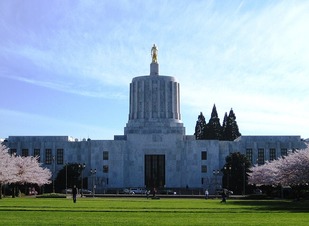
Oregon’s transportation system is at risk. The upcoming special session is an important opportunity to prevent cuts to critical services, protect jobs, and keep our roads and transit systems functioning—across the state and in our communities. This mid-term solution is a first step to delivering a scaled-down plan that begins modernizing how we pay for transportation with investments locally in cities and counties, as well as across the state. It also seeks to avoid draining the state’s emergency reserves or cutting other essential services such as wildfire suppression and access to healthcare.
Oregon’s transportation system is showing the wear & tear of decades of delayed maintenance and budget shortfalls. Road maintenance is behind schedule, bridges are being closed due to structural disrepair, and public transit agencies are warning of major cuts. These are not distant problems—they're already affecting our daily lives and public safety. Without action, the consequences are real: more delays, fewer bus routes, and even more unsafe conditions on roads and bridges across Oregon.
In Lane County, this will mean, the loss of ODOT’s service station in Veneta, jeopardizing maintenance of Highway 126, our community’s primary pathway to the coast. LTD’s bus system will be at risk of service cuts and losing some of their newer pilot efforts. It also means grass and debris are not cut and removed from highways, endangering communities like the Laurel Hill Valley with potential fire hazards. Highway passes to eastern Oregon will also not be ploughed as frequently as is needed, also putting Oregonians in danger.
My responsibility as your representative is to ensure our roads, bridges, and transit systems are well-maintained and safe, while also keeping in mind the financial impacts on working families that come with a revenue increase. That’s why this transportation funding plan spreads out modest increases across gas, registration, and payroll taxes to minimize the impact. The goal of this approach is to keep the financial burden as low as possible while raising enough revenue to prevent catastrophic service reductions. The legislation also proposes a fairer system for Oregon’s Transporation Fund. For the first time, a plan will be put in place for electric vehicles to regularly contribute to the cost of road maintenance—a shift that levels the playing field with families who already pay Oregon’s gas tax at the pumps.
|
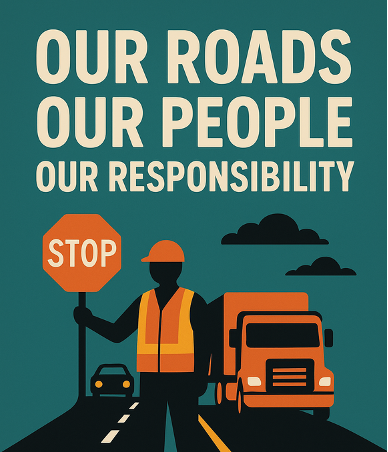
The plan we will be looking at in the special session also comes with real accountability measures for ODOT: regular performance audits, tighter oversight of major projects, and safeguards to ensure projects don’t expand beyond scope and budget. ODOT must be held to high standards for project delivery and transparency, and Oregonians deserve to know their money is being used wisely. This bill works to ensure these goals.
We need a responsible, long-term solution that protects public safety and transportation infrastructure alike. Oregonians deserve safe, dependable roads, and the plan we’re considering on August 29th is the responsible way to get there. However, this proposal is also part of an ongoing commitment for me personally—priorities not included, like Safe Routes to School and Great Streets, need to be addressed in future sessions. I will continue to advocate for investments that prioritize sustainability, multi-modal opportunities and walkability, and investments in a modern electric transportation system. I believe my responsibility as your representative is to not only ensure our roads, sidewalks, and bike paths are well-maintained and safe, but to also keep in mind a commitment to a modern and greener transportation system.
|
The Summer Interim
Since I am no longer spending all of my time up in Salem at the capital, I am able to reconnect with local community programs and groups—something I am greatly enjoying. I have kept busy since the session ended in June, and here is a glimpse of what I've been up to...
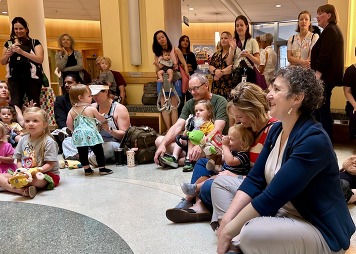
I celebrated the continued funding of the Dolly Parton Imagination Library at the Eugene Public Library. This program fosters a love of reading by delivering high-quality, age-appropriate books directly to children's homes each month. For free!
|
|
 |
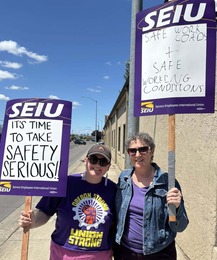
I stood with SEIU members in the fight for safe and respectful workplaces and joined a local picket line at the Oregon Department of Human Services in West Eugene. These are front-line essential workers that ensure all Oregonians have access to critical state services in our community.
|
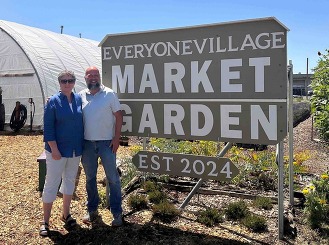
I visited Everyone Village, a transitional shelter program that provides holistic care and wrap-around services in a relationship focused setting. The Village consists of a 3.5-acre parcel in West Eugene with over 50 individual dwelling-style homes, a Resource Center, and Community Garden where residents re-learn how to live within a community in a healthy way.
|
|
 |
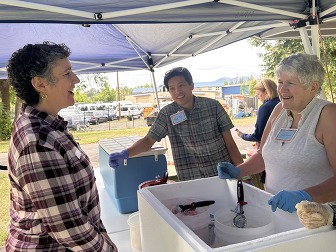
I visited with folks in the Laurel Hill Valley Neighborhood during their annual ice cream social. I appreciate their focus on community building and wildfire awareness-- and I can report that the Marionberry Sorbet from Prince Puckler’s was excellent
|
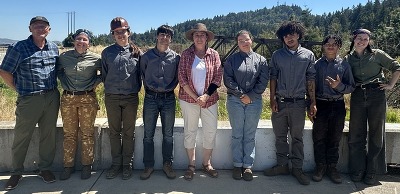
I spent an afternoon talking with the young adults participating in this summer's Northwest Youth Corp, where we discussed their future plans and the world they live in. They have spent their summer working on habitat restoration in local wetlands.
|
|
 |
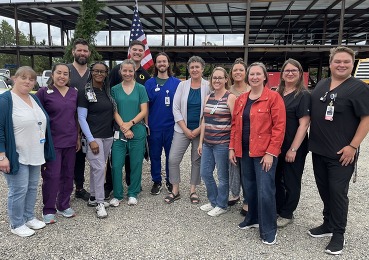
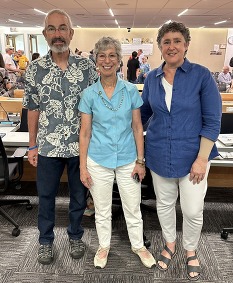
I signed my name on the final beam at the new Rehabilitation Hospital at PeaceHealth Medical Center at Riverbend. Our community will soon have access to the region’s first traumatic brain injury unit, and to increased services for adults recovering from other debilitating illnesses or injuries.
|
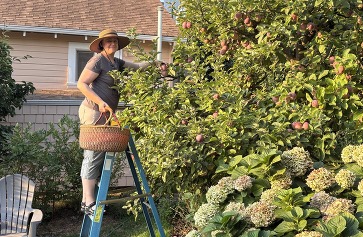
The summer has passed quickly, but I have been able to fill it with so many meaningful experiences as I continue to work to serve House District 8 and its constituents— after all this is my community too!
As we continue into the Fall and look towards the 2026 legislative short session in January, I’ll be finishing up the fruit harvest in my yard and continuing to fill my days with community and connection. If there is a local event you think I should attend, please let me know!
In the meantime, my office is always here for you, so please get in touch if you have any questions or concerns. Stay cool, stay safe, and enjoy the last days of summer!
Sincerely,
Representative Lisa Fragala
House District 8
|
My Office Is Here For You
Email: Rep.LisaFragala@oregonlegislature.gov I Phone: (503) 986-1408
Address: 900 Court St NE, H-484, Salem, OR, 97301
Website: https://www.oregonlegislature.gov/fragala
Facebook | Instagram
Please get in touch if you need assistance!
Click here to access my full compilation of resources!
|