|
Hello Senate District 19 and beyond,
The 2025 session of the Oregon Legislature ended a little more than a week ago, and with some time to reflect I wanted to take the opportunity in this newsletter to recap what we accomplished on behalf of Oregonians this session. First, a huge thank you to the Senators and Representatives who stepped up to represent their communities in Salem over the past five months, as well as the legislative and professional staff who keep the Capitol running. Also, none of us would be able to do this work without our families supporting us, so thank you to all of the spouses, partners, and children who put up with the late nights and early mornings.
Here is a look at the 2025 session by the numbers:
-
3,466 pieces of legislation were introduced — policies, budgets, memorials, and resolutions. This is a 16% increase from the 2023 legislative session (we will be having conversations about bill limits for 2027 session).
- Of those, 702 passed both the Senate and the House of Representatives.
- In the Senate, 93% of legislation that passed did so with Democrats and Republicans voting in support.
I'm extremely proud of the Legislature's accomplishments this year. We worked across ideological differences to seek common solutions to the pressing challenges Oregon faces, and we kept disagreements focused on policy rather than personalities. We made progress to ease the high cost of living, invested in public safety, funded K-12 student learning, and supported workers.
Here is just some of what we did this session:
- Stopped massive energy users, like data centers, from shifting electrical costs to consumers (HB 3546)
- Removed medical debt from credit reports (SB 605)
- Regulated surprise fees for online shopping prices (SB 430)
- Invested in affordable summer learning programs (HB 2007)
- Extended a tax benefit to help Oregonians save for a home down payment (SB 101)
- Capped rent increases in mobile home parks at 6 percent a year (HB 3054)
- Funded additional employees at the Bureau of Labor and Industries to resolve backlog of wage theft complaints (HB 5015)
- Strengthened protections for renters to get deposits back (HB 3521)
- Leveled the playing field for workers negotiating with management during a strike (SB 916)
- Protected patients from profit-hungry corporate investors (SB 951)
- Improved the program that prevents crashes between cars and wildlife (HB 2978)
- Provided recourse to construction workers fighting wage theft (SB 426)
- Outlawed devices that turn legal firearms into machine guns (SB 243)
- Increased funding to resolve the public defense unrepresented crisis (HB 5031)
We also have some unfinished business. Despite months of conversations with the public and stakeholders which culminated in a transportation package that balanced ideas from across the political spectrum, the Oregon Transportation Reinvestment Package didn't make it across the finish line this session. This was extremely disappointing, even more so as we begin to see the impacts of inaction that we were warned of for the past 18 months, starting with layoffs and reductions in services. Maintenance crews do heroic work to keep our roads and bridges safe, and it is gut-wrenching that hundreds of workers now face layoffs.
The problems we were trying to solve with this package remain: Oregon does not adequately invest in the safety and maintenance of its transportation system. We will continue to see road conditions decline, bridges collapse, and pedestrians and bicyclists put in danger if we don't make the needed investments for a safe and resilient transportation system.
This year's transportation package was laser-focused on solving this problem, which made it different than previous transportation packages. Legislative efforts to fund transportation over the past 2+ decades have centered around road projects, such as new bridges and highways expansions. While these have a place, funding projects has come at the expense of funding basic safety and maintenance, creating a deep hole that House Bill 2025 was trying to dig us out of.
Our city, state, and county roads and bridges aren't going to magically improve themselves. Legislators will still need to take action on transportation, building on our work from this session (remember, the 2017 transportation package only passed after the 2015 package failed). Conversations are ongoing about next steps the Legislature could take to deliver appropriate investment into Oregon's transportation infrastructure.
Finally, I would be remise if I didn't take a moment to remember Sen. Aaron Woods, whom we lost this year. He was a dedicated public servant who loved representing his community in the Oregon Senate. I will always remember the day when Aaron's family joined us in the Senate chamber and we took time to share how much he meant to all of us. I am grateful for the time we shared together in the Senate, and he will be missed.
Despite the calendar just turning to July, Oregon families are already experiencing the impacts of what could be another dangerous fire season. Homes have been lost, thousands of people have needed to evacuate, and wildfire risk is rising. My thoughts are with the communities impacted by these fires and the firefighters who work incredibly hard to protect lives and property around the state. The Legislature set aside money to fight wildfires and passed new policies to dedicate public money to wildfire prevention, but we know there is much more to be done.
Investigators have determined that two of the biggest fires so far this year were caused by human activity, which should serve as a reminder to us that we have the power to significantly reduce the number of wildfires we see in our state. Approximately 75% of wildfires in Oregon each season are caused by people, and those reasons can vary, from arson or smoking, to fireworks or debris burns. If we all took it upon ourselves to be more cautious when out in nature during fire season, we could save Oregonians a lot of heartache.
If you want to stay up-to-date on active wildfires Oregon, the Oregonian has a helpful wildfire tracker, and so does Inciweb, which is the federal government's incident information system.
Education is an issue I care very deeply about — I served on a local public school board, both of my sisters are teachers in Portland Public Schools, and for many years I advocated at the Capitol on behalf of educators and support staff with AFT-Oregon. When I think about what the state should spend public money on, education is always at the top of the list. Investing in education is especially important during tight budget cycles (like the one we are in right now) where there is not enough money to go around.
That's why I was proud the Legislature made key investments and policy changes to improve Oregon's public schools this session, including passing the largest K-12 budget in state history at $11.4 billion. Combined with local school revenues (primarily property taxes), Oregon's K-12 schools will receive $16.7 billion for the upcoming biennium, a 10.5% increase over the previous budget.
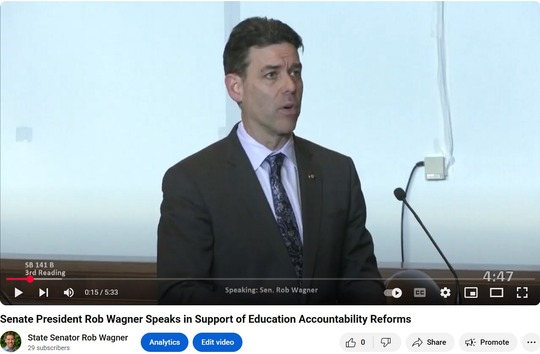
But to improve Oregon's schools and support students and educators, there was more we needed to do that just provide funding. The Senate also passed Senate Bill 141, which creates new student success metrics, strengthens district accountability for student outcomes, provides mandatory coaching and oversight to struggling districts, and helps schools focus more on students and less on paperwork.
We need to make sure public dollars are being used more effectively to help students learn. With additional funding and accountability, the Legislature is taking a step to ensure that student outcomes match the state's investments and that school districts have the support they need to get the best out of students.
Click below to watch my floor speech on SB 141:
I was thrilled to celebrate Pride Month by attending LO for Love's 2nd annual Pride LO festival a few weeks ago at the Millennium Plaza Park with my friends and community. The day was packed with inspiring performances, speeches, and community activities that celebrated Lake Oswego’s LGBTQ+ community. The event drew more than 1,000 people and was MC’d by Poison Waters, an icon of the Portland drag scene.
After having attended Portland’s pride parade for many years, it means a lot to see my hometown coming together to celebrate inclusivity. I was honored to be invited to speak about this amazing community and I look forward to seeing this celebration continue to grow.
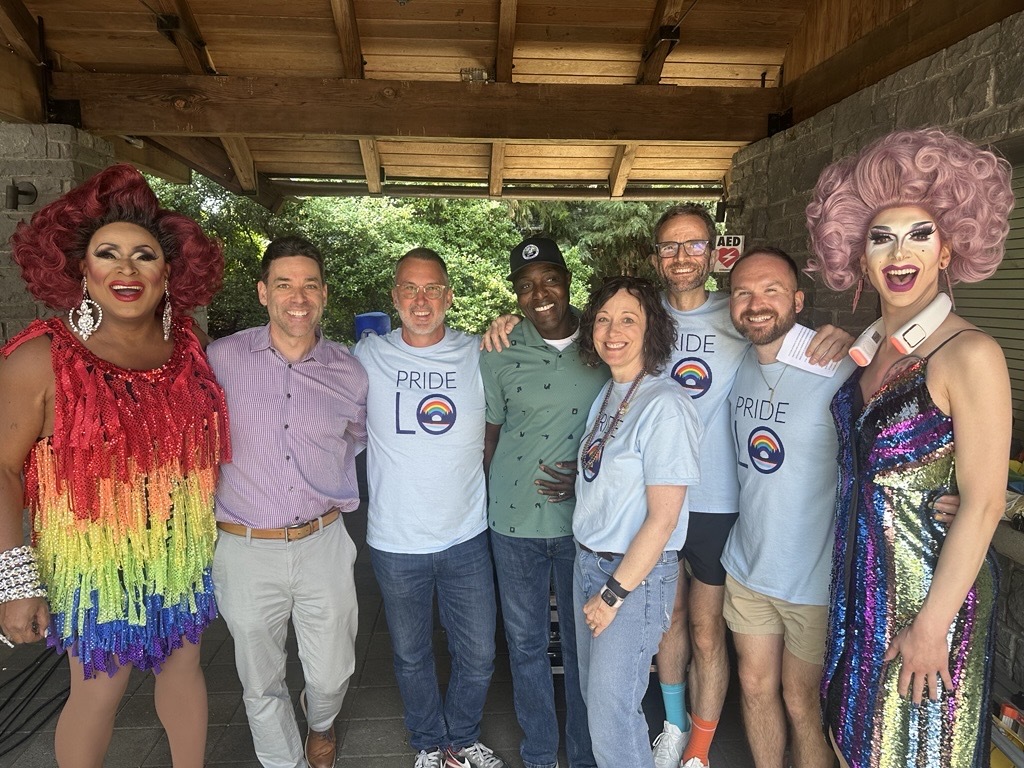 I'm excited to see Pride LO grow and bring this celebration of inclusivity to our community every year.
The Oregonian: Oregon lawmakers boost labor agency’s budget for investigating workplace, wage compliance
The Oregon Bureau of Labor and Industries is getting a significant raise in its budget, which it says will help its backlog of 7,000 labor complaint cases. Lawmakers last week approved a $18.5 million increase in funds for the agency that oversees wage and workplace civil rights complaints for the state.
Statesman Journal: Oregon sues Trump administration for sharing Medicaid files with immigration enforcement
The attorneys general of Oregon and Washington are suing the federal government for sharing residents’ Medicaid records with federal immigration enforcement officials.
Oregon Capital Chronicle: Oregon leaders respond to passage of GOP megabill, warn of ‘devastating consequences’
Oregon leaders expressed anger, devastation and disappointment with the passage of a nearly 900-page tax and spending cut bill by Congressional Republicans expected to take health insurance and food assistance away from millions of Americans while sending tax cuts worth tens of thousands of dollars to the nation’s highest earners.
OPB: Gov. Kotek launches new agency to fast-track housing construction
The “doors are open” on a new state office charged with meeting Gov. Tina Kotek’s goal of getting 36,000 new homes built in Oregon each year. Kotek announced on Tuesday the official launch of the Housing Accountability and Production Office, or HAPO. Lawmakers laid the groundwork for the agency in 2024 when they passed Senate Bill 1537, meant to give cities more leeway to add land for housing to their urban growth boundaries — the state-approved line around a city that dictates where and how it can expand.
Replies to this message are sent to an unmonitored mailbox.
If you would like to contact the Senate President's Office, send an email or call and either myself or a staff member will assist you. If you are a constituent coming to Salem and want to arrange a meeting, I'm always happy to meet, so please let us know well in advance as my schedule fills up quickly.
email: Sen.RobWagner@OregonLegislature.gov
phone: 503-986-1600
address: 900 Court St NE, S-201, Salem, OR, 97301
website: http://www.oregonlegislature.gov/wagner
|