Joint Committee on
Transportation Preservation and Modernization
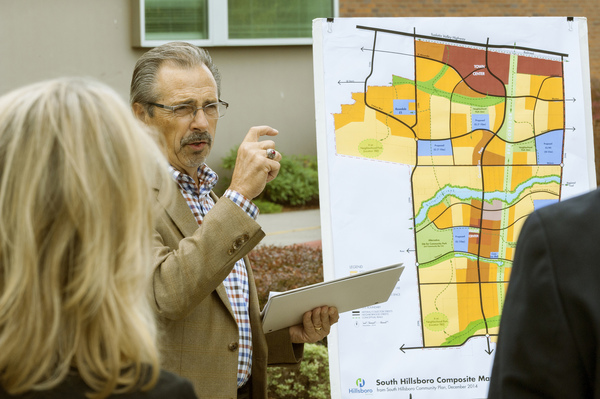
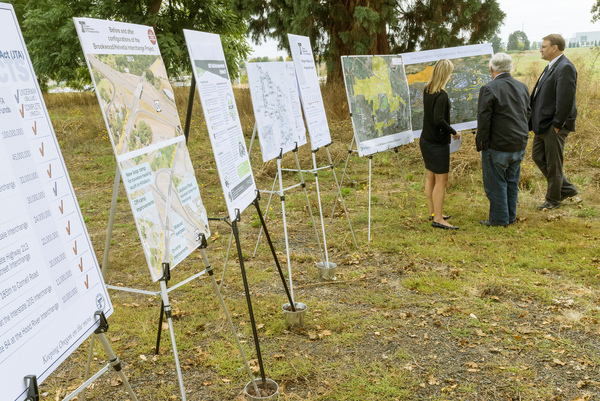
In September, members of the Joint Committee on Transportation Preservation and Modernization toured the central coast and west Portland-Metro regions, and held public hearings in Newport, Hillsboro, and Salem.
The final stop of the committee's statewide tour is coming up on Monday, October 24 in the Albany-Corvallis area. Read on for recent media clips and details about next week's hearing.
Guest Column by Sen. Lee Beyer and Rep. Caddy McKeown, published in the Salem Statesman Journal on October 1, 2016
Members of the Legislature’s Joint Committee on Transportation Preservation and Modernization spent much of the summer taking a close, first-hand look at Oregon’s transportation system.
From the Snake River in Ontario to the Pacific Ocean at Beverly Beach, we marveled at Oregon’s transportation achievements. From scenic Southern Oregon to the Silicon Forest in Hillsboro, we also experienced Oregon’s transportation challenges.
At each stop on our 11-city, 2,000-mile tour, we heard a clear, consistent message from the public: Oregon’s transportation system is failing to meet the everyday needs of families and businesses across the state, and it will take more than a Band-Aid to fix it. Oregonians want the 2017 Legislature to pass a comprehensive plan that will protect the infrastructure we have and modernize our transportation systems to keep up with our growing, dynamic state.
The public has been clear, as well, on several priorities that a statewide transportation plan should include.
Preservation
The package, many said, must focus on preserving the investments Oregonians have already made in highways, roads and bridges. Our state faces an annual $324 million shortfall just when it comes to adequately maintaining bridges and pavement. Local leaders have told us repeatedly that they, too, are faced with the prospect of roads returning to gravel because they don’t have enough resources to maintain them.
Safety
In every region of the state, we saw examples of the dangers facing drivers, bicyclists and pedestrians. We heard fervent requests for improvements to ensure all kids have safe routes to their schools. We learned about the grave risks posed by the looming Cascadia Subduction Zone earthquake, and the need for seismic upgrades to key roads and bridges to ensure we can quickly move toward recovering and rebuilding after a seismic event. We also heard about the need for more and better climbing lanes on our interstates to improve freight mobility and safety for everyone on the road.
Public Transportation
Transit, we learned, is a high priority for Oregonians in every corner of our state — not just in Portland. We heard from Oregonians who rely on public transportation to get to school or work in communities of all sizes. For many seniors and people with disabilities, transit provides access to quality health care. We also heard about gaps in transit service that are currently isolating Oregonians in small towns and rural areas from needed services and employment centers.
Congestion
Congestion on Portland-metro highways came up frequently because it’s an issue impacting people and businesses across Oregon. When cars and trucks grind to a standstill on Portland’s interstates, products take longer to get to market, workers are less productive and quality of life is degraded.
Accountability
One of the keys to passing a robust transportation package is transparency and accountability. To that end, an independent audit of the Oregon Department of Transportation is now underway, and we will use their findings to make certain that all of our transportation dollars are spent wisely and efficiently.
As our tour comes to a close in Albany next month, we will move into the next phase of our work. The input from business owners, farmers, local elected officials and hundreds of members of the public will be invaluable as we work to develop a comprehensive, statewide, multimodal transportation plan that will build a brighter future for all of Oregon.
Sen. Lee Beyer, D-Springfield, and Rep. Caddy McKeown, D-Coos Bay, are the co-chairs of the Joint Legislative Committee on Transportation Preservation and Modernization. Contact Sen. Beyer at Sen.LeeBeyer@state.or.us and Rep. McKeown at Rep.CaddyMcKeown@state.or.us.
10/3/16 - Happening in Hillsboro Newsletter: "All Eyes on Hillsboro: Oregon Lawmakers Focus on Local Transportation Funding Needs"
9/29/16 - Hillsboro Tribune: "State, Hillsboro schools aim to improve safety"
9/22/16 - Salem Statesman Journal: "Come talk about a third Salem bridge -- or anything else -- tonight"
9/21/16 - Newport News Times: "No money to modernize bridges"
9/18/16 - Medford Mail Tribune, op-Ed: "Committee sees transportation achievements, challenges"
Bridges were the focus of the September 15 tour of the central coast. In her opening remarks, OTC Chair Tammy Baney noted that it will take over 900 years to replace all Oregon bridges, based on the current funding formula.
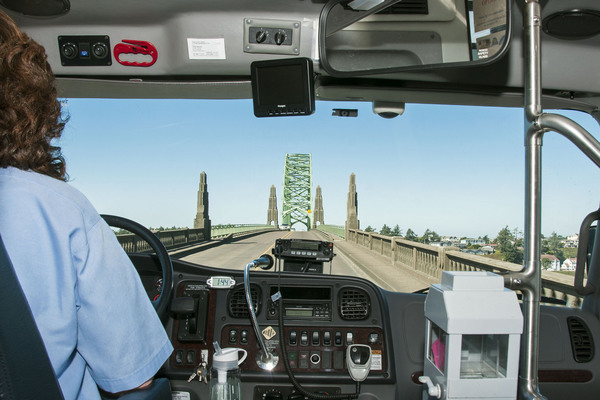
The committee's first stop was at the historic Yaquina Bay Bridge. Lorna Davis of the Newport Chamber of Commerce discussed the important role that the 80-year old bridge plays in the city.
Paul Mather, ODOT, described how the Yaquina Bay Bridge is emblematic of Oregon bridges in general -- it was built in 1936 for $1.2 million, and it would cost an estimated $500 million to replace it today. He noted that the bridge was constructed on wood pilings, as are many bridges built in an era before earthquake risks were understood, and can be retrofitted only to a level that would prevent collapse into the bay; it is not possible to retrofit the bridge to be usable after a major earthquake.
|