Spotlight on Community-Based Organizations
Get to know HECC’s Future Ready Oregon grantees and partners
Did you know? Future Ready Oregon grants and strategic initiatives support a variety of organizations. Grantees include community-based organizations (CBOs), community colleges, public and private universities, local workforce development boards, school districts, and other education and workforce service providers from all parts of the state.
In addition, Industry Consortia members represent education, industry, labor, and CBOs, as well as local workforce development boards, workforce training providers, economic development partners, and members of the Governor’s Racial Justice Council and the State Workforce and Talent Development Board.
In this issue, we acknowledge the CBOs represented among our Future Ready Oregon grantees and partners, and share insights about their roles and impacts on the workforce education and training ecosystem.
Oregon’s workforce education and training ecosystem is composed of the many organizations that learners and workers may engage with as they advance through their education into and through their careers. These organizations provide a variety of programs and services, ranging from degrees and credentials, to trainings and apprenticeships, to wraparound supports and services – to name just a few. Future Ready Oregon supports grantees’ and partners’ efforts to enhance coordination across the ecosystem, so that education, industry, and community partners are aligned in responding to the needs of diverse learners and workers. For individual learners and workers, navigating the ecosystem can be complicated. Many organizations – community colleges, public universities, local workforce development boards, and CBOs – have engaged “navigators” to support learners and workers identify the available programs, services, and resources.
CBOs are among Future Ready Oregon’s key grantees and partners:
- Forty-four CBOs have received one or more Future Ready Oregon grant awards from the Higher Education Coordinating Commission (HECC), representing a combined total of $48.8 million – more than any other organizational type.
- Additionally, many of the other organizations that have received Future Ready Oregon grants partner with CBOs on their grant-funded program development and service delivery. They include community colleges, universities, other education and workforce service providers, and Oregon’s nine local workforce development boards.
CBOs perform many roles and provide a variety of services within Oregon’s workforce education and training ecosystem:
- CBOs maintain trusting relationships with individuals and communities, while helping other ecosystem partners understand and respond to communities’ unique experiences, assets, and needs.
- CBOs inform the development and implementation of culturally specific and culturally responsive programs, supports, and services.
- They support individuals and institutions in developing partnerships and navigating systems and services.
What sets CBOs apart from other ecosystem participants? They are embedded in the communities they serve.
- CBOs are created by communities for communities. Generally speaking, they are composed of community members, and one of their key functions is providing individualized, culturally responsive supports to the communities they serve.
- CBOs engage community representatives in informing workforce education and training programs, fostering a culture of advocacy and continuous improvement.
Future Ready Oregon’s CBO grantees and partners offer a variety of services, which may include one, several, or all of the following activities.*
- Advocating for communities as they engage and collaborate with other organizations within the ecosystem.
- Project example: Centro Cultural de Washington County (2023 and 2024 Workforce Ready Grants) is supporting Washington County community members by connecting them with training opportunities and work experience through partnerships with education providers and local manufacturing and healthcare employers. Centro Cultural also conducts K-12 outreach, career awareness and exploration.**
- Conducting outreach for workforce education and training programs, recruiting community participants, and providing them with enrollment supports and advising services.
- Project example: The Northeast Oregon Network (2024 Workforce Ready Grant) is creating a Community Health Worker (CHW) satellite and hub training program. The hub is providing onsite, hybrid, and culturally responsive recruitment and training to new CHWs in the Columbia River Gorge and Mid-Willamette Valley regions, along with professional development for experienced CHWs.
- Supporting career awareness, exploration, and advancement opportunities among the community members they serve. Related activities include providing career coaching, mentoring, and resume writing support; conducting training in essential employability and job skills; and connecting individuals with other workforce services, as well as with internships and jobs.
- Project example: Oregon TRIO Association (2024 Workforce Ready Grant) has hired a Workforce Readiness Manager to lead practical workshops and coordinate industry and postsecondary education site visits that introduce middle and high school students to various technology careers. Participants learn essential skills and knowledge to succeed in the tech sector.
- Developing bilingual, bicultural curriculum and programs, including training in cultural competencies and “train-the-trainer” programming.
- Project example: Hacienda CDC (2023 Workforce Ready Grant) has developed bilingual and bicultural competency trainings, facilitated through a train-the-trainer model. Hacienda is partnering with employer CedarStone to prepare Spanish-speaking community members for careers and career advancement opportunities in mass-timber industry.
- Conducting training directly, including earn-and-learn, non-credit, and hands-on opportunities. CBOs also coordinate registered apprenticeships and bring training opportunities to communities, through, for example, mobile delivery.
- Project example: Unidos Bridging Community (2024 Workforce Ready Grant) is expanding its collaborative Level Up program, which expands youth career pathways through project-based work opportunities with local manufacturing employers. Participants learn essential employability skills, such as teamwork and financial literacy, and receive tailored mentorship and wraparound support services.
- Providing comprehensive supports for retention and completion in education and employment. These supports may include stipends, wages for work experience, wraparounds supports and culturally responsive services, and strategies for career advancement.
-
Project example: Afghan Support Network (2024 Workforce Ready Grant)
is offering culturally grounded workforce training that supports Afghan refugees in Oregon as they prepare for IT careers and broader technology pathways. Along with technical and digital skill development, participants benefit from comprehensive wraparound support, including career coaching, vocational English classes, case management, and culturally responsive guidance that strengthens career readiness and long-term stability.
*Many of these activities are also offered by other types of organizations within Oregon’s workforce education and training system.
**The examples featured in this section represent just a few of the many Future Ready Oregon grant-funded projects. Consult our Future Ready Oregon Impacts and Outcomes page for more examples.
Recent Updates, Presentations, and Events by Future Ready Oregon Grantees, Partners, and Industry Consortia Members
This has been a busy fall for Future Ready Oregon. Following are highlights from some of the many recent activities, including presentations, events, and site visits conducted by Future Ready Oregon grantees and partners. Our warm thanks to all for sharing lessons learned from implementing their grant-funded projects and, in many cases, for hosting Consortia members, community and industry partners, and agency staff at their organizations.
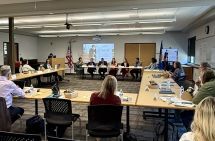
The Healthcare Consortium convened for its fourth quarter public meeting at Tillamook Bay Community College (TBCC) on September 23. North Coast employers, education providers, and community partners shared region-specific challenges and strategies for training, recruiting, and retaining talent. Presenters included Nehalem Bay Health Center staff and their Rural Health Network partners, who discussed their Workforce Ready Grant-funded Pathways to Equity Program. TBCC Healthcare Education Program staff and partners also presented on the development of Oregon’s newest two-year Associate Degree in Nursing Program. Watch the meeting recording.
Administrators, faculty, and students at the Oregon Institute of Technology (OIT) Klamath Falls campus shared insights on the impacts and initial outcomes of Future Ready Oregon funding with visiting HECC staff in early October. OIT received two competitive Workforce Ready Grants from the HECC in 2024 to develop skill-building opportunities in applied computing and user experience (UX) for professionals. Read OIT’s update on the site visit.
The University of Oregon recently released an on the Knight Campus Graduate Internship Program (KCGIP), which connects graduate students in STEM with “hands-on training, professional development and a paid nine-month internship.” The program received a Workforce Ready Grant from HECC in 2023. Read the update. This follows a presentation by KCGIP students and staff at the Manufacturing Consortium’s August 20 meeting at UO—watch the presentation recording.
Oregon Workforce Partnership, the association of Oregon’s nine local workforce development boards (LWDBs), hosted its annual Working Together Conference this October in Salem. Some of the many conference breakout sessions, which covered a variety of topics, featured updates and insights from the LWDBs’ administration of Future Ready Oregon grant-funded programs and strategic initiatives. These included Prosperity 10,000 and Workforce Benefits Navigators, as well as an initiative that received Workforce Ready Grant funding—the statewide WorkSource Oregon Reentry Program for adults in custody. Visit the Working Together Conference web page.
|
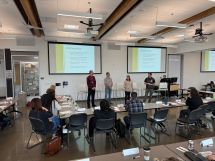
Chemeketa Community College hosted a Future Ready Oregon showcase on October 23. Students, community partners, faculty, and staff discussed their experiences engaging with Chemeketa’s Future Ready Oregon-funded programming, and shared recommendations for future workforce development partnerships and initiatives. For more information about the college’s Workforce Ready Grants from the HECC, see Chemeketa’s 2023 and 2024 press releases, as well as our project summary table.
This fall, HECC welcomed two new Industry Consortia strategists: Daria Curtis is the new Healthcare Industry Consortium Strategist, and Diane Vidmantas is the new Manufacturing Industry Consortium Strategist. Daria previously worked most recently for Lane County as the program manager for refugee and immigrant services. Diane comes to public service after retiring from a 29-year career at Intel in Industrial Engineering & Business Operations for the Technology Development Division. Her experience included working as Intel’s lead for the QuickStart semiconductor technician training program at Portland Community College, which received Future Ready Oregon grant funding.
Pictured: Healthcare Consortium convenes at Tillamook Bay Community College; Chemeketa Community College hosts Future Ready Oregon showcase (shared with permission).
|
Mark Your Calendars
Schedule posted for the Healthcare and Manufacturing Consortia’s 2026 meetings
The Healthcare and Manufacturing Industry Consortia have set dates for their quarterly public meetings in 2026. The Technology Consortium’s schedule is forthcoming. Note that schedules may be revised closer to the date of each meeting. To stay up to date on the latest meeting information, subscribe to our Industry Consortia public meeting notices. Notices are sent two weeks prior to each meeting and include the confirmed meeting date, time, location, and agenda. The public is welcome to attend.
Healthcare Consortium
- Tuesday, January 22, 9:00 a.m. – 1:00 p.m. (virtual)
- Tuesday, April 23, 9:00 a.m. – 1:00 p.m.
- Tuesday, June 25, 9:00 a.m. – 1:00 p.m.
- Tuesday, September 4, 9:00 a.m. – 1:00 p.m.
Manufacturing Consortium
- Wednesday, February 4, 9:00 a.m. – 1:00 p.m. (virtual)
- Wednesday, May 6, 9:00 a.m. – 1:00 p.m.
- Tuesday, August 5, 9:00 a.m. – 1:00 p.m.
- Tuesday, November 4, 9:00 a.m. – 1:00 p.m.
|