|
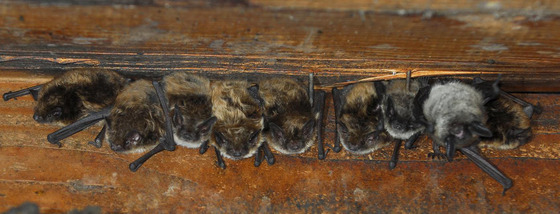 Little Brown Bats roosting in an attic
Oregon Health Authority (OHA) and the Oregon Department of Fish and Wildlife (ODFW) are reminding people to stay safe around bats. Bats are an important part of Oregon’s environment, but they can sometimes carry rabies—a serious virus that affects the brain.
So far in 2026, 20 bats in Oregon have tested positive for rabies. At this rate, the state may see more rabies-positive animals than any year on record. Bats have carried rabies for thousands of years, though usually at low levels, and they are the most common source of human exposure in the United States.
|
|
 Photo courtesy of Mom's Meals
Oregon Health Plan (OHP) now offers new nutrition benefits for members who meet certain health, food access, and life circumstance criteria.
-
Fruit and Vegetable Benefit: Eligible members may receive fruits, vegetables, and similar items for up to six months through a grocery delivery box or a preloaded card.
-
Pantry Stocking Benefit: Eligible members may receive a variety of pantry staples, including proteins, dairy, grains, spices, and seeds or plants that grow food.
-
If you are in a CCO: Visit your CCO’s website for application information. Unsure if you’re enrolled? Call OHP Client Services at 18002730557 or email Ask.OHP@odhsoha.oregon.gov.
-
If you are not in a CCO: Complete the HRSN Nutrition Request Form and email it to ORHRSN@Acentra.com or call 8888344304 for help.
-
Eligibility varies by benefit and not all members will qualify.
|
|
 |
|
OHA answers your questions |
|
|
Questions are answered by experts at OHA, other state agencies or community partners.
Q: Is there truth to the stories that type 2 Diabetes is caused by a parasite?
A: There is no credible scientific evidence that type 2 diabetes is caused by a parasite. While rare parasitic infections can occasionally affect the pancreas or blood sugar, they are not the underlying cause of the vast majority of type 2 diabetes cases.
Here's what we do know:
- Type 2 diabetes develops because the body becomes resistant to insulin and/or the pancreas can't produce enough insulin to keep blood sugar in a healthy range.
- Major risk factors include genetics, age, excess body fat (particularly around the abdomen), physical inactivity, certain medications, hormonal conditions, sleep problems, and diet. Not everyone with these risk factors develops diabetes, and many people with type 2 diabetes are not overweight.
Although we are unable to answer every question, we try to address those of interest to a broad audience. Please understand that we are unable to provide specific medical advice for personal medical conditions.
|
|
|
|