|
Having trouble viewing this email? View it as a Web page.
Lea en español
 Feb. 2, 2026
In this issue...

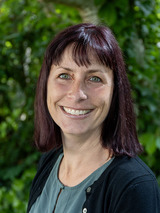
Reflections from Chelsea Holcomb, Oregon Health Authority (OHA) Child, Family and Lifespan Behavioral Health (CFLBH) Director
In the early years of my kid’s school days, February always brought a quiet magic. Tiny heart-shaped candies, conversation hearts with messages like “Be Mine” and “Sweetheart,” appeared in little hands. Teachers guided the children in folding and cutting paper hearts, each one carrying a personal note for a valentine.
The classroom buzzed with care and curiosity, and those small, tender gestures filled the room with warmth. In the short, gray days of February, it was a reminder that even the tiniest acts of kindness could ripple outward in ways far larger than themselves.
February is also Black History Month, a time to reflect on courage, resilience and transformative change. As James Baldwin once said, “Not everything that is faced can be changed, but nothing can be changed until it is faced.” This truth reminds us of the ongoing work and victories made by Black communities against tremendous odds. For example, nearly 40 percent of Black-owned businesses today are majority women-owned, a testament to perseverance and progress despite systemic barriers.
In our own work, we see how small, everyday acts of dedication and care lay the groundwork for meaningful change. There are people in the workforce who have devoted 15, 20 or even 30 years to what they do, often without realizing the impact of their efforts. Day after day, it may feel like the same work over and over, yet those consistent contributions are quietly building a stronger system.
Take the introduction of IIBHT and MRSS models in Oregon. These programs did not exist here until recently. Yes, the road has had bumps. But those were baby steps. In 2018, a listening session named these programs as necessities, and in 2019 they were officially adopted. What began as a simple list has grown into an evolving framework shaped continuously by input from communities and councils. It is a powerful example of how small, persistent steps ripple outward to create meaningful change.
In February, as the days grow longer and hearts fill the hallways, let us celebrate the micro-compassions that fuel our work and the collective progress we continue to build together.
|
The 2025 Annual Report on Children’s Psychiatric Residential Treatment Facility (PRTF) Capacity provides an update on Oregon’s efforts to expand and stabilize intensive psychiatric care for youth. Prepared jointly by OHA and the Oregon Department of Human Services (ODHS), the report highlights progress, ongoing challenges and future priorities for delivering timely, high-quality care.
In 2025 Oregon made measurable progress in expanding psychiatric residential capacity. Legislative investment, operational enhancements and coordinated policy actions have strengthened the system. Workforce shortages, geographic disparities and funding gaps remain. Sustained interagency collaboration, focused investment and data-driven practices support access to safe, timely and effective services for all Oregon youth in need of intensive psychiatric care.
Key achievements include:
Capacity expansions:
- Looking Glass Regional Crisis Center, Eugene: 14-bed Psychiatric Residential Treatment Services (PRTS)/Subacute expansion
- Monte Nido Clementine, Lake Oswego: 12-bed PRTS specializing in eating disorders
Facilities in development (opening 2026–2027):
- STAR Program, Boardman: 14 beds
- Nexus Family Healing for secure inpatient level of care, Eugene: 12 beds
- Live.Grow.Share., Eugene: 6–10 beds
- Deschutes County and Portland projects
Total PRTF program beds increased from 236 in 2024 to 263 in 2025
Legislative support: $10 million allocated via Policy Option Package 552 for facility acquisition, renovation, and start-up costs
Please contact kids.team@oha.oregon.gov with any questions or comments.
The Black Youth Suicide Prevention Coalition is now accepting applications for the Adult Advisory Council to support youth-led suicide prevention and mental health advocacy. Adult advisors collaborate with and support the coalition’s Youth Wellness Consultants by providing guidance, sharing resources and helping to shape culturally specific, community-based prevention efforts. We encourage adults with lived experience, professional expertise, or strong community relationships to apply. Applications will close February 28. This role is voluntary.
Apply here.
We are excited to announce that a new training cohort has begun for clinicians providing PCIT services. OHA hosted a webinar in October 2025 for interested clinicians. An application process followed. Clinicians were selected for the cohort based on readiness criteria, agency support and commitment. The current cohort includes six clinicians representing three counties: Deschutes, Washington and Crook. Two clinicians represent a new culturally specific program that will be delivering PCIT to children and families in Spanish. OHA contracts with PCIT International’s certified regional trainers to create training cohorts, ongoing coaching and consultation until clinicians reach certification.
To learn more about PCIT, visit PCIT International.
Child Parent Psychotherapy (CPP) trainers are also getting ready to start a new learning group in spring 2026. Recruitment has gone well, and many people are interested in bringing this evidence-based program to more communities across the state.
Please contact Amy Chandler with any questions about PCIT or CPP in Oregon.
Parrott Creek’s Next Step program is a new residential treatment option for male-identifying youth ages 13–18 who struggle with both substance use and mental health challenges. This program fills a gap in services for youth with co-occurring needs. Next Step officially opened for referrals on December 9, 2025.
The program focuses on creating personalized care plans for each youth. The Next Step clinical team begins with a full assessment to understand both substance use and mental health needs. From there, they design a treatment plan tailored to each youth. Every staff member uses a trauma-informed approach, working to understand how past experiences shape the way youth interact with the world. This insight helps staff address the root causes of substance use and mental health concerns while planning treatment, case management and transition support.
Recovery looks different for everyone. Culture, identity, community, heritage, race, ability and other factors all play a role in shaping goals and success. The program includes staff with lived experience in recovery who share their perspectives and offer hope. They help youth learn healthy coping skills and how to make positive changes.
Treatment includes:
- Education about substance use
- Building emotional regulation skills
- Addressing mental health concerns
- Strengthening community recovery support
Youth receive individual, group, and family therapy based on their treatment plan. The goal is to help each young person build a strong foundation for recovery and a brighter future. For more information, visit Parrot Creek’s Next Step web page.
In spring 2025, Lutheran Community Services Northwest (LCSNW) and OHA started a pilot project to support student mental health. The project organizes culturally specific wellness groups for middle and high school students.
Since the start, more than 80 students have joined nine wellness groups. These groups meet in Portland, Tigard-Tualatin and Gresham-Barlow School Districts.
Students take part in art, games, activities and discussions. They learn about building healthy friendships, setting boundaries, preventing and responding to bullying, managing time and creating healthy habits. Students also go on field trips, such as visiting the Oregon Museum of Science and Industry. The groups welcome all students but focus on newcomer refugee and immigrant youth. Facilitators lead sessions in several languages, including Spanish, Arabic, Ukrainian and English.
Students have shared that they enjoy making new friends, doing art activities, and learning how to cope with stress and bullying. One student, when asked what they enjoyed most, shared: “The support from everyone, learning healthy habits, feeling more motivated, new friendship.”
Students enjoyed the safe space and shared “I like that I felt heard” and “I really enjoy talking with others and learning without being nervous.” A student who participated in a group facilitated in English shared: “There are people with the same level of English, so I wasn’t afraid of speaking.” School staff also noticed positive changes. One counselor reported fewer absences among students who joined the groups.
LCSNW partnered with OHA to adapt curriculum and activities to meet the needs of students, schools, and communities. The program continues to grow based on feedback from students and staff.
Looking ahead, LCSNW plans to expand the groups to new themes, schools and districts, with offerings for art groups and wellness activities focused on environmental stewardship.
Hidden Brain: “The Reset Button”
The Hidden Brain podcast is a favorite of CFLBH staff. This episode is about the importance of awe and how it helps us deal with feelings of anxiety. It gives recommendations on how to build a practice of awe into our own lives, and it references youth specifically. The second part of this episode is a follow-up from a previous one about learning. It talks about the way students learn and the importance of highlighting the needs of each unique student.
Find events, opportunities, trainings and resources in last month’s posting on our newsletter page. Many of these trainings are also on our training opportunities page. We will send updates mid-month — Look for the next one in your inbox on February 17.
For feedback and suggestions for our newsletter and information: kids.team@oha.oregon.gov.
Subscribe to OHA Behavioral Health Updates
Did someone forward or share this with you? You can subscribe here to get future issues of Holding Hope and other updates for Oregon behavioral health providers and partners.
|