Welcome to our 2025 Fall Newsletter!

- In a national study, Rocky Mountain Poison & Drug Safety reports that in 2024, 12 million adults nation-wide were estimated to have used a psychedelic in the last year. Of those, 5.5 million adults reported using psilocybin (the most used psychedelic). Prevalence of psychedelic use was highest in the Pacific Northwest.
- Several news articles, including a story in Scientific American, have covered a recent study published in the Journal of American Medicine (JAMA) about Psilocybin Mushroom Edibles. The study found that certain products purchased from smoke shops and convenience stores in Oregon, marketed as “magic mushroom edibles”, often contain no psilocybin and instead contain other unlabeled adulterants with unknown toxicology and pharmacology. Unregulated products like these raise significant public health and safety concerns.
These products are not sold as a part of legal psilocybin services in Oregon, regulated by Oregon Psilocybin Services (OPS). Psilocybin products accessed through the regulated model adhere to strict manufacturing rules that prohibit adulterants and production of synthetic chemicals. All psilocybin products sold within the OPS model are tested by licensed laboratories for potency and species identification, and products are required to be labeled. For more information about accessing psilocybin within Oregon’s regulated model, please go to the Oregon Psilocybin Services webpage and read the OPS Health and Safety Fact Sheet.
- Last year, OHA issued a warning about severe illnesses associated with products marketed as magic mushrooms. A specific brand of these products, “Diamond Shruumz”, were recalled after the Food and Drug Administration (FDA) and the Centers for Disease Control and Prevention (CDC) received reports of adverse effects across many states, including Oregon. Reported symptoms included seizures, loss of consciousness, confusion, nausea, vomiting, and abnormal heart rates.
- Consumers are advised not to eat, sell or serve any unregulated products marketed as “Magic Mushrooms”. These types of products may be in the form of chocolate bars and gummies, which could appeal to children. OHA urges parents and caregivers to discuss the risks with their kids. Anyone who becomes ill after consuming these products should contact their healthcare provider or the Oregon Poison Center at 1-800-222-1222.
 |
A recent study in Oregon by the National University of Natural Medicine (NUNM) found that psilocybin services was a safe and beneficial treatment for depression in low-income adults. Following the sessions, participants reported improvements in their sleep, physical ability, cognitive function, social ability, fatigue, anxiety and the impact of pain on their everyday lives. To learn more, check-out the story on KLCC and the NUNM news article.
Nos complace compartir nuestro nuevo enlace directo a la página de recursos en español: www.oregon.gov/psilocibina
Aquí encontrará recursos actualizados y un video informativo renovado:
We are excited to share our new quick link for our Spanish resource page: www.oregon.gov/psilocibina
Here you will find updated resources and an updated informational video.
Dual Licensure and HB 2387
 |
|
HB 2387, passed in 2025, contains a number of provisions related to psilocybin, including changes that affect facilitators who hold other types of professional licenses. This fact sheet describes the privileges and protections granted to individuals with dual licensure. |
In early September, OPS published Quarter 2 data on the OPS Data Dashboard. The data dashboard contains multiple datasets related to safety, psilocybin product sales, licensing, compliance, and demographic data. It also includes a new Data Archive page that has previously published dashboard pages as PDF documents that can be downloaded or accessed by those located outside of the United States, U.S. territories, or freely associated states. The archive also features Excel files of 303 data that can be downloaded for each quarter. For the complete list of available data, please go to the OPS Data Dashboard.
OPS prioritizes data privacy and security, ensuring accountability with OHA’s data standards before publishing on the OPS Data Dashboard. You can read the OPS Data Privacy and Security Fact Sheet to learn more.
The public comment period for 2025 rulemaking closed on September 22nd. OPS held two virtual public hearings on September 16 and September 18, 2025. Recordings can be found on the OPS Administrative Rules webpage and are available in English, Spanish and American Sign Language (ASL)
OPS considers comments provided during the public comment period and will finalize administrative rules, submit them to OHA leadership for approval, and then to the Oregon Secretary of State in accordance with state agency processes for adoption. Once rules are adopted by the end of October, OPS will publish the Hearings Officer Report that summarizes comments received. OPS also publishes a letter to the public sharing information about decisions that were made. OPS will send licensees communications about the updated rules and then work to update materials, processes, forms, and the TLC system. New and updated rules will be effective January 1, 2026.
This time of year, advocates and legislators are working on concepts for new legislation. OPS encourages partners to share concepts that impact ORS 475A in order for OPS to provide feedback on implementation and prepare for the upcoming session.
This year is a short session, beginning February 2, 2026, which typically lasts 35 days with an estimated adjournment date of March 9, 2026. Short sessions are designed for technical policy fixes and budget adjustments.
The 2025-29 Oregon Psilocybin Advisory Board (OPAB) cohort began meeting in spring and will continue to meet quarterly. The board will make recommendations to OPS by May 1, 2026, for consideration for the 2026 rulemaking. All OPAB member information and meeting information can be accessed on the OPAB webpage.
OPS is excited to participate and present at the Oregon Public Health Association (OPHA)’s annual conference scheduled for October 14th and 15th in Hillsboro, Oregon.
The OPHA Annual Conference is Oregon’s premier public health event, bringing together professionals committed to improving health outcomes across the state. We look forward to seeing partners there!
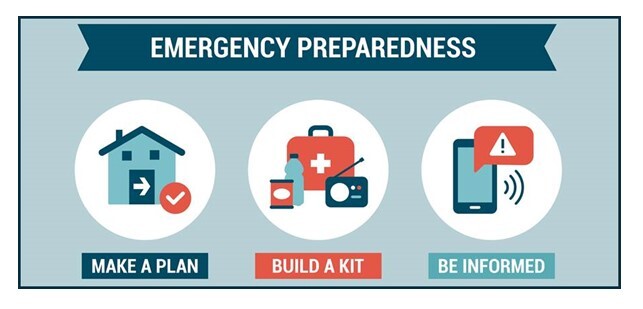
Disasters and emergencies can happen at anytime, anywhere – affecting not just our homes, but our workplaces too. Most of us know that we need to be prepared. But what does that mean? And how do you get started? The Oregon Health Authority (OHA) provides Preparedness Tools for Oregonians – a webpage that includes resources for emergency preparedness in Oregon.
As a reminder, psilocybin service centers are required to create and maintain a Service Center Safety and Emergency Plan (for more information, see: 333-333-4460).
988 Oregon is a free, direct connection to confidential support for anyone who is struggling.
To make it easier to spread the word, 988 Oregon has updated the 988 Oregon partner toolkit with brand-new, ready-to-use resources. This online toolkit includes:
-
Printable flyers you can share with your community
- Short videos with local call takers answering frequently asked questions (perfect for social media and events)
-
Sample newsletters and news story pitches you can adapt and share
Graphics, videos and printables can be downloaded directly from the English and Spanish Dropboxes.
Oregon Psilocybin Services (OPS) works with community groups to organize community circles. Community circles can be designed to fit a particular group’s needs and vision. If you would like to explore this opportunity, please request a meeting!
Members of the Oregon Psilocybin Services Policy and Engagement Program are available to present to your community group or special event. We can tailor our presentations to meet your needs and the interests of participants. If you would like to set up a presentation with Oregon Psilocybin Services, please request a presentation using the button below.
We welcome your feedback.
Please do not hesitate to reach out with comments or questions.
www.oregon.gov/psilocybin
Oregon Psilocybin Services remains committed to Oregon Health Authority's mission of ensuring all people and communities can achieve optimum physical, mental, and social well-being through partnerships, prevention, and access to quality, affordable health care. Every change in federal administration presents potential disruptions to health care policy. Oregon Psilocybin Services wants to reassure community members and partners that it will continue to serve them and will keep them apprised of any potential federal changes that could impact the program. Oregon Psilocybin Services will continue supporting OHA's important work of expanding opportunity, improving well-being, and eliminating health inequities for all Oregonians.
|