|
Having trouble viewing this email? View it as a Web page.
Lea en español
 Sept. 2, 2025
In this issue...

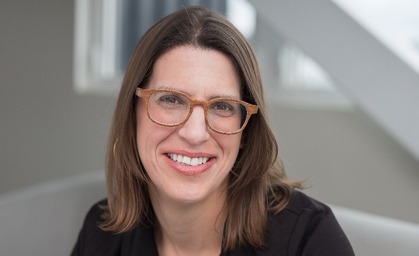
Reflections from Chelsea Holcomb, Oregon Health Authority (OHA) Child and Family Behavioral Health (CFBH) Director
September arrives with summer’s last sunsets and fall’s first hello. Leaves begin to turn, mornings grow crisp, and families settle into new routines. Back-to-school energy returns — familiar hallways, sharpened pencils, packed lunches and the rhythm of routine returning.
For parents, it can be a season of worry as children adapt to new schools, classrooms, routines and social dynamics. For youth, it can bring the pressure to catch up, fit in or meet expectations. And for educators, it’s a season of fresh energy as they prepare classrooms, welcome new students and begin building inspiring relationships.
That’s why grace is so important this time of year — grace for ourselves, grace for each other, and grace for the young people learning to manage it all.
And it’s especially important now, as September also marks Suicide Prevention Month.
One parent recently shared:
“Two of my children have needed kind and caring adults in their lives to help them navigate through substance use, impacts of trauma, and thoughts of suicide.
"We moved to a rural county in Oregon and quickly discovered that my daughter was one of only a few Black students in the entire small district.
"Desperate for something, we signed her up for a culture camp in a nearby town. This was when she was just finishing up middle school. We made it through the week — but barely. There were all sorts of issues, phone calls home, etc. But she met an adult who saw something in her and refused to give up.
"Over time, the girls were helped by many adults — some connected to behavioral health like peer support providers, therapists, psychiatrists, and substance use counselors. Others were at school—counselors, teachers, special education staff, even a PE teacher who got an emergency license as a school counselor.
"And in the calm moments, many adults poured healing s and resilience into my daughters’ lives — through culture camps, invitations to speak, and opportunities to guide systems from the inside.
"I think people associate suicide prevention with risk assessments and therapy appointments and medication. And it is. But the heart of suicide prevention for my daughters have been opportunities to feel like they belong and are connected to others. That they have a purpose. And that there are kind, caring adults out there that want them to live and be well.”
These are the voices that shape our mission.
Suicide prevention is not just about intervention, it’s about building a culture of connection. This month, and every month, let’s show up with compassion, presence, and grace. Because prevention begins long before crisis - with belonging, with listening, and with love.
|
The month of September is designated as Suicide Prevention Awareness Month.
The suicide prevention team at OHA often uses the phrase “We are all suicide preventers." And we mean it — That is one of our core beliefs. If you are human, you have a role to play in suicide prevention — all the time, not just in September.
Having an awareness month gives us the chance to take a pause and check in about how we are each doing our part. Here are some places to get started:
- Does your organization have suicide prevention policies and procedures in place?
- How are you building places for connection and belonging with others?
|
There is great reason for hope in the field of suicide prevention — Oregon is full of champions doing good work for suicide prevention. There is so much that can be done to create more safety against suicide, and we are here to do that work with you.
Suicide prevention is everyone’s business. Thank you for considering how you can prevent suicide.
|
|
 |
This year’s summit made a compelling case that behavior is rooted in biology, especially in the context of trauma. It emphasized how early experiences can shape brain development and affect responses to stress and daily challenges. These neurological changes often appear as hypervigilance, increased aggression, emotional dysregulation or even chronic health conditions.
Reflecting on these insights as Suicide Prevention Month approaches and the school year begins, it is important to see that prevention is more than a moment — It’s a way of thinking and being. No one should face these challenges alone. Support is available. Healing can happen. And sometimes, all it takes is one caring person to open the door with a simple conversation.
Recordings of the keynote speakers, handouts and presentation materials are available on the Summit's website.
OHA is launching a new grant-funded project with Live.Grow.Share. (L.G.S.), an agency focused on innovative, youth-centered care. Together, they will open a psychiatric residential treatment facility (PRTF) to serve youth with complex behavioral health needs.
L.G.S. currently provides adult residential treatment in Lane County. This new project marks their first psychiatric residential program for adolescents. The agency employs over 30 staff members, including 15 full-time team members, who bring both experience and compassion to their work.
The PRTF will deliver intensive, individualized treatment for youth experiencing mental health challenges, substance use or co-occurring conditions. Residents will also participate in peer support, skill-building, equine-assisted peer support, a vehicle rehabilitation program, therapeutic groups, and a wilderness and adventure program.
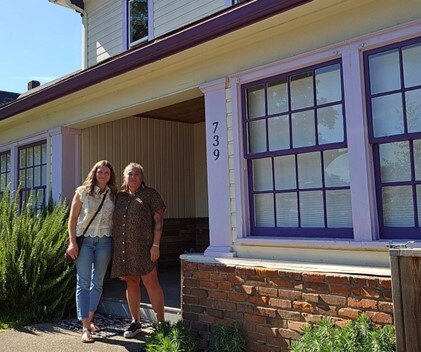
To support the project, L.G.S. purchased a home in Eugene. The facility will provide a safe, home-like environment for 5 to 10 adolescents, supporting their healing, recovery and growth.
As the agency’s mission states:
“We promote whole health, wellness, and recovery of individuals in our community by offering a holistic and therapeutic setting led by Peers who have successfully navigated this journey themselves… We value community and people-driven power distribution and provide choices and opportunities for individuals to manage their own health.”
Through this partnership with L.G.S., the CFBH team is expanding access to critical, specialized care for Oregon’s most vulnerable youth.
From left to right: L.G.S. co-founders Ashley Teeters and Andrea Garcia
We are seeking parent and caregiver input on the rules that govern intensive treatment services — inpatient and day treatment services.
Earlier this year, OHA held two meetings to review the current Oregon Administrative Rules for inpatient and day treatment services for youth. After considering all the feedback received, OHA is now moving these rules to the next stage of review. This version will show the changes OHA made based on feedback received.
Before this version of the rules moves forward, OHA will share this version and a summary of input received with families and the Families Leading Behavioral Health Systems group.
We invite you to join our upcoming input session for further review:
- September 4 from 3 to 4:30 p.m. Pacific Time
OHA continues to expand access to residential mental health care for young adults. This summer, six new Young Adults in Transition (YAT) homes will open to serve youth across the state.
Earlier this month, Kairos welcomed residents to Sonata House in Medford. Five more homes are set to open in Albany, Eugene, Portland, Tigard and Clackamas. Each home will support up to five young adults at a time.
YAT homes are part of Oregon’s broader efforts to improve behavioral health services for transition-age youth experiencing complex mental health needs. These homes offer trauma-informed, developmentally appropriate support designed to help young people thrive. For more information, including referrals and current waitlist availability, visit the CFBH website.
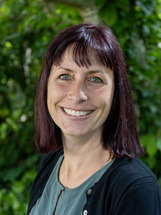
The CFBH team is excited to welcome Carissa Page in the team’s new Project Manager role. Carissa will focus on strengthening how our work fits together by aligning priorities, streamlining processes and helping connect the many moving parts across programs, agencies and community partners. This work will support a more seamless system of care for Oregon’s children, youth and families.
Carissa brings 17 years of experience with the U.S. Agency for International Development (USAID), where she led large-scale, equity-focused initiatives to improve how programs are designed, managed, and measured. She is known for turning ambitious goals into practical systems that help teams work better together and deliver lasting results.
A Portland resident for the past decade, Carissa enjoys hiking, gardening and woodworking, with a particular passion for building custom furniture in a shared community shop. She looks forward to working with colleagues and partners across the state to create meaningful and sustainable change.
The video ”Health Concerns for Youth with Complex Needs” highlights the unique health challenges faced by children with intellectual and developmental disabilities (IDD), attention-deficit/hyperactivity disorder (ADHD) and autism spectrum disorder. These youth often experience risks such as obesity, poor nutrition and limited access to health care.
The speaker explains that challenging behaviors in children with these conditions may be linked to underlying issues like pain, sensory sensitivities, sleep difficulties or changes related to puberty. Medical conditions such as seizures, asthma, or allergies can also affect behavior, emphasizing the importance of considering health factors when supporting these young people.
State suicide prevention efforts are lacking amid federal cuts
This article explores gaps in state-level suicide prevention efforts, with only a handful of states having dedicated offices or task forces. It highlights recent federal cuts, including the end of LGBTQ+ support services under the 988 crisis line, raising concern for at-risk communities amid rising suicide rates.
Find events, opportunities, trainings and resources in last month’s posting on our newsletter page. Many of these trainings are also on our training opportunities page. We will send updates mid-month — Look for the next one in your inbox on September 15.
For feedback and suggestions for our newsletter and information: kids.team@oha.oregon.gov.
Subscribe to OHA Behavioral Health Updates
Did someone forward or share this with you? You can subscribe here to get future issues of Holding Hope and other updates for Oregon behavioral health providers and partners.
|