|
 |
|
In this issue: |
|
|
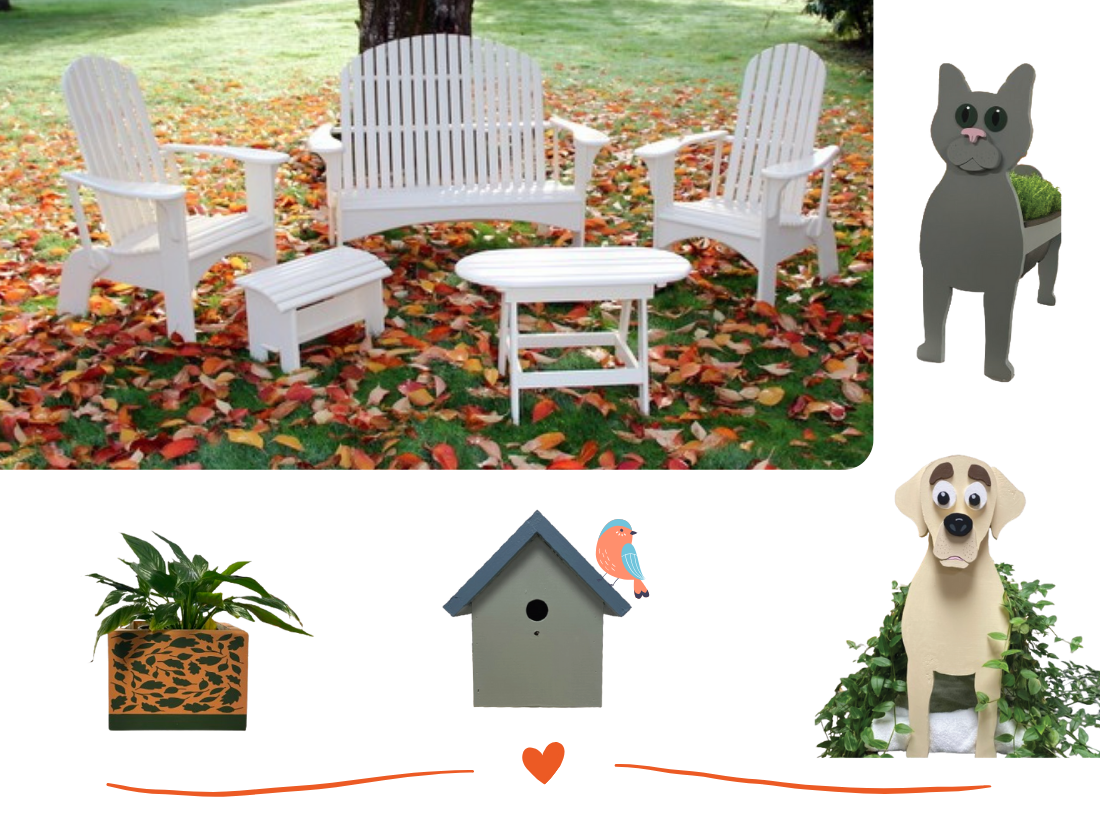
If you’re in the market for Adirondack furniture or other cute, high-quality hand-made wooden items, check out what patients at Oregon State Hospital (OSH) are making!
As part of OSH’s Vocational Services program, patients gain real world work experience by building Adirondack chairs, loveseats, ottomans and matching side tables as well as other smaller crafts from start to finish. They’re responsible for creating each piece at every stage of the process, from cutting the wood to sanding and painting.
“Patients take pride, responsibility and ownership in their work,” said Kate Barnes, OSH occupational therapist. “When they’re working, they aren’t patients in a psychiatric hospital, they are workers crafting a quality product for others to enjoy, and it gives them a sense of purpose.”
Barnes works with about 40 patients hired in paid positions, helping them develop soft skills such as showing up on time, responding to feedback and maintaining safety. Patients also learn and apply woodshop skills that would make them more employable.
▶ WATCH video about the making of Adirondack furniture at OSH. (2:36)
Prices for Adirondack furniture range from $35 to $180. The vocational team also makes:
- Planter boxes, including cat and dog themed ($5 - 50)
- Desk organizers ($15)
- Picture frames ($25)
- Candle holders ($10)
- Bird houses ($30)
- Trinket boxes ($10) and pencil/pen holders ($5)
See full catalogue here.
Many items are on display and for sale at Copper Creek Mercantile in Keizer and Habitat for Humanity ReStore in Salem. If you want to order outdoor furniture or other hand-crafted wood products that are not already made and in stock, call the OSH Vocational Services Department at (503) 947-8125, and allow six to eight weeks for the items to be ready for pickup. All proceeds go to the hospital’s general fund.
|
|
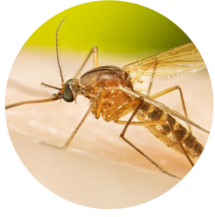
For the first time in 2025, mosquitoes carrying West Nile virus have been identified in Oregon. Health officials say three mosquito pools – collections of up to 50 insects – have tested positive for West Nile virus in Malheur County.
Mosquitoes thrive and breed vigorously in warm summer temperatures, especially in the 80-90 degree range, so it’s important to protect yourself from mosquito bites in case the bugs are carrying West Nile. While most infected people do not become sick, one in five experience flu-like symptoms lasting from a few days to several weeks. These include a fever above 100 degrees, severe headaches, stiff neck, mental confusion, muscle weakness, shaking, paralysis or rash. If you develop any of these symptoms, seek medical attention immediately. West Nile virus can sometimes lead to serious illness or death.
Groups at risk for severe West Nile illness include adults 55 and older, immunocompromised people and those living with certain conditions such as diabetes, high blood pressure or kidney disease. There are no vaccines to prevent or medicines to treat West Nile in people.
Tips for preventing mosquito bites:
- Apply insect repellent to exposed skin. We recommend products containing DEET, oil of lemon eucalyptus or Picaridin.
- Avoid applying repellent to the hands of children because it can irritate the eyes and mouth.
- Weather permitting, wear long-sleeved shirts and long pants whenever you are outdoors.
- Place mosquito netting over infant carriers when outdoors with infants.
- Consider staying indoors at dawn and dusk, which are peak mosquito biting times.
- Install or repair window and door screens so mosquitoes cannot get indoors.
Last year, a total of 21 mosquito pools tested positive statewide, mostly in eastern and southern Oregon beginning in mid-July. To learn more, check out OHA’s West Nile Virus Activity webpage. People can also contact their local vector control district.
|
|
|
 |
|
Health notes |
|
|
|
If you’re planning to cool off in Oregon’s natural waters this summer, be aware that beach water can contain harmful bacteria, and that higher air temperatures can lead to toxic algae blooms in lakes, rivers and reservoirs.
-
Fresh water: See current advisories for harmful algae blooms here.
Read our FAQ here, and sign up for email or text alerts to stay informed here.
▶Watch video: When in Doubt, Stay Out! (:46)
In fresh water, the beneficial bacteria “cyanobacteria” are found worldwide. But in the right conditions—warm weather, sunlight, water temperature, nutrients and water chemistry—cyanobacteria can multiply into algae blooms containing cyanotoxins that can make people and animals sick.
Symptoms of cyanotoxin exposure can include diarrhea, cramps, vomiting, numbness, dizziness and fainting. If you experience any of these symptoms severely or for 72 hours after exposure to fresh water, seek medical attention. Children and pets are particularly sensitive to illness because of their size and activity levels. Dogs can get extremely ill and even die within minutes to hours of exposure to cyanotoxins by drinking the water or licking their wet fur.
Stay out of water that looks foamy, scummy, thick like pea-green or blue-green paint, or where brownish-red mats are present (see pics here). Avoid swimming, water-skiing, wakeboarding, tubing, and other high-speed water activities in areas lakes affected by a bloom.
At the beach, salt water can contain higher-than-normal levels of fecal bacteria caused by sewage treatment plants, septic tanks, storm water runoff, boating waste, humans, and animals. People should avoid wading in nearby creeks, pools of water on the beach, or in discolored water, and stay clear of water runoff flowing into the ocean. Exposure to such water can cause nausea, diarrhea, stomach cramps, chills and fever, skin rashes and infections of the eyes, ears, nose and throat. If you experience any of these symptoms after exposure to beach water, contact your health care provider.
OHA monitors many Oregon beaches for harmful bacteria and issues advisories when levels reach unsafe levels. You can also call the Oregon Beach Monitoring Program at 877-290-6767 or email Beach.Health@oha.oregon.gov.
Imagine suddenly losing $250 of your monthly budget. What would you have to give up—meals, medication, peace of mind?
For more than 1,500 families in Oregon, this wasn’t hypothetical. It really happened to them in 2024 when they reported their food or cash benefits were stolen, likely through organized fraud.
This is a growing and serious problem here in Oregon and nationwide.
Theft of food and cash benefits—Supplemental Nutrition Assistance Program (SNAP) and Temporary Assistance for Needy Families (TANF)—happens when people steal EBT card (Oregon Trail card) numbers and PINs. The Oregon Department of Human Services (ODHS) is working hard to fight this theft. The agency urges everyone who uses SNAP or TANF to protect their EBT card and benefits.
Easy ways to protect your EBT card include:
- Freeze the card between uses.
- Block out-of-state and online purchases.
- Check EBT account regularly.
- Ignore calls, texts and messages asking for your card number or PIN. ODHS will never ask for your information this way.
▶Watch video on protecting your EBT card. (2:11)
▶Watch video on replacing a lost, stolen or damaged card. (2:11)
If your benefits are stolen, report it right away and request a new card by calling 855-328-6715 Monday – Friday, 8:30 a.m. to 4:30 p.m. At all other times and days, immediately call 888-997-4447 to cancel your card, then call 855-328-6715 during regular business hours to request a new card.
More information is available on the Protect Your EBT Card and Benefits webpage.
Oregon’s Special Supplemental Nutrition Program for Women, Infants and Children (WIC) is updating its list of foods for the first time since 2009, expanding healthy food choices for families across Oregon. Foods on the list
The new list reflects the latest nutrition science and aligns with healthy dietary patterns recognized around the world. This marks the third update to WIC foods in the program’s 50-year history.
▶ Watch video of Perla Castillo, RD, nutrition consultant at Oregon WIC, discuss the updated food list. (2:14)
Enhancements to the WIC Food Package began July 1 and include:
- More fruits and vegetables, expanded to include fresh-cut herbs.
- A wider variety of protein and plant-based options, including fish options for all kids and adults; more cheese varieties, including sliced, string and shredded; new yogurt brands with reduced added sugar; new plant-based milks; and new nut and seed butters.
- Expanded whole-grain bread choices such as 100% whole wheat buns, bagels, pita and naan. Plus, new gluten-free, whole-grain bread options. WIC now offers a dozen whole grains including quinoa, teff, corn masa flour, and barley to name a few.
|
|
 |
|
OHA answers your questions |
|
|
Questions are answered by experts at OHA, other state agencies or community partners.
Q: Where can I find current data regarding respiratory outbreaks in long term care facilities? Also, the number of long-term care residents who are hospitalized, and the number who die, due to respiratory infections. Thank you. – Cynthia, Corvallis
A: Cynthia, admittedly, there is no one-stop shop for the information you’re looking for.
Outbreaks of COVID-19, flu and RSV at long-term care facilities (as well as other settings) in Oregon are shown on OHA’s Respiratory Virus Data dashboard. It does not show individual facilities, but rather a statewide total, and it’s updated weekly.
The Centers for Disease Control and Prevention (CDC) collects weekly data on COVID-19, RSV and flu at nursing homes that are certified by the Centers for Medicare and Medicaid Services (CMS). You can find this information on the CDC’s Nursing Home Data dashboard, which shows data at the national and state levels, but not for individual nursing home facilities. You’ll see data for cases and hospitalizations (as well as vaccination status) for these diseases among nursing home residents, as well as COVID-19 vaccination status among staff.
CMS keeps similar data, including for individual nursing homes, but it’s for COVID-19 only. However, although the data is traditionally updated on a weekly basis, the most recent update happened in Jan. 2025. CMS has told us they have paused this data, and we are unclear when or if they will resume updates.
But for historic purposes, you can still go to this main page, then click on the “View Data” tab, and you’ll be taken to an interactive database that you can filter for a number of criteria, including city, state, the name of the facility, hospitalizations, deaths, and more.
Alternatively, if you click on the “Visualization” tab, you’ll see a map where you can enter a city or ZIP code, or you can just zoom in on an individual facility and see data for COVID-19 cases among residents, as well as COVID-19 vaccination status among residents and staff. Again, this data has not been updated since Jan. 2025.
If you have questions about health topics in Oregon, submit your question here. Although we are unable to answer every question, we try to address those of interest to a broad audience. Please understand that we are unable to provide specific medical advice for personal medical conditions.
|
|
|
|
|