|
 |
|
In this issue: |
|
|

More than one-third of people ages 50 to 80 feel lonely, according to a new national poll, and almost as many feel socially isolated – meaning they lack connections to family, friends or a community.
The University of Michigan’s National Poll on Healthy Aging has been conducted six times since 2018, and the most recent results were published last week by the Journal of the American Medical Association (JAMA).
Although the trend is promising, having improved since the most isolating times of the pandemic, experts say the number of people in the U.S. who experience loneliness or social isolation is still too high.
The holiday season and the long dark days we experience this time of year in Oregon can worsen these conditions for people of all ages. The “holiday blues” happen when someone experiences symptoms of depression during holiday periods, for example when someone reflects upon the loss of a loved one or are feeling social pressures. The holiday blues are not related to seasonal affective disorder (SAD), which is a common type of mood disorder or depression linked to lack of daylight, but those prone to SAD may be more likely to experience the holiday blues.
If you’re feeling low or lonely because of the holidays or SAD, these OHA blogs may help:
Additional resources:
|
|
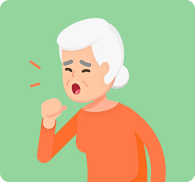
As the remaining days of 2024 tick down, OHA hopes everyone will consider giving themselves and their loved ones the gift of health by getting vaccinated against respiratory viruses.
Oregon has seen increases in flu, COVID-19 and RSV (respiratory syncytial virus) activity following Thanksgiving, and we expect a similar bump following the Christmas and New Years holidays.
Flu season, in particular, has ramped up significantly, with a test percent positivity rate of 18.7% (up from under 1% throughout October) and a rising number of people being hospitalized with the flu.
- Learn where to get vaccines in Oregon here.
- Learn how to protect yourself and your loved ones from respiratory viruses here.
Keep up to date on Oregon’s flu activity by subscribing to OHA’s weekly Flu Bites report. You can also keep track of flu, COVID-19 and RSV activity in Oregon on our Respiratory Virus Data dashboard, updated every Wednesday.
|
|
|

If you love to decorate and exchange gifts during the holidays, don’t forget to consider safety, especially when it comes to children’s toys.
According to the United Sates Consumer Product Safety Commission (CPSC), toy-related injuries led to 231,700 emergency room visits during 2023, 67% of which were sustained by children 12 and under, and 36% were children under 5.
For all age groups, non-motorized scooters were the top toy responsible for emergency room visits.
Additionally, during the 2023 holiday season, nearly 15,000 people in the U.S. went to emergency rooms for decorating-related injuries, most of which involved falls.
Safety tips for children’s toys
- Follow guidance and safety information on packaging, and choose toys that match each child’s age, interests and abilities.
- Get safety gear, including properly fitting helmets, for scooters and other riding toys–and make sure children use them.
- Keep small toys and toys with small parts, including balls and magnets, away from children under 3.
- Keep latex balloons away from children under 8.
- Once gifts are open, immediately discard wrappings and packaging.
- Make sure battery compartments have screw closures and are securely shut.
Tips for safe decorating
- When climbing a ladder, ask someone to hold the ladder steady in case you lose your balance.
- Place burning candles away from flammable items, and never leave them unattended.
- Never string together more than three sets of incandescent lights or overload electrical outlets.
- Keep live Christmas trees watered.
- Look for a “Fire Resistant” label before purchasing an artificial tree.
|
|
|
 |
|
Health notes |
|
|
|
Overdose fatalities in Oregon continued to rise in 2023, with more than half of the unintentional overdose deaths involving an opioid or a stimulant, according to a new and updated data dashboard. OHA remains focused on increased efforts to reduce substance use and is looking at new opportunities to expand prevention, harm-reduction, treatment and recovery services.
Opioid- and stimulant-involved overdose fatalities in Oregon rose from 1,383 deaths in 2022 to 1,833 in 2023. State health officials are still gathering data for 2024.
OHA’s updated Oregon Overdose Prevention Dashboard covers a range of drug categories including fentanyl, heroin, opioids and stimulants, with data on overdose fatalities, emergency department discharges and hospital discharges. The dashboard is an interactive tool for tracking state, county and demographic trends related to fatal and non-fatal overdoses.
OHA launched the latest update of this dashboard to provide more timely data, highlight emerging trends, and give users the ability to download the data.
|
|
 |
|
OHA answers your questions |
|
|
Questions are answered by experts at OHA, other state agencies or community partners.
Q: Where can I donate properly packaged meds for charitable pharmacy use? – Catherine, Portland
A: Great question, Catherine. Oregon has a program, as part of Oregon law, specifically for “charitable pharmacies” to accept properly packaged medication from individuals and other entities. The law states the purpose of the program is to distribute donated prescription drugs to needy or uninsured individuals.
We found six charitable pharmacies in Oregon, using this database. In the field for “license type,” select “charitable pharmacy,” and for “license status,” select “active.” We found three in Portland and one each in Bend, Wilsonville and Springfield.
The search results do not include contact information, so we called each of them for you. Only one said they’re currently accepting donated meds -- The Volunteers in Medicine Clinic Charitable Pharmacy at 2260 Marcola Road in Springfield (541-685-1800). This location does allow you to mail in donations, and we recommend calling them to make sure your unused meds qualify for donation and that you follow the proper procedure for packaging, etc.
If you’re unable to donate your unused medication, Oregon’s Drug Take-Back Program allows you to safely discard or mail back prescription drugs. Find a secure drop-off location or order mail-back supplies here, or call (844) 482-5322.
Other charitable pharmacies in Oregon that told us they are not currently accepting donated medication (but may in the future) include Central City Concern Pharmacy, Outside In Pharmacy and Vetsource Home Delivery (for animal meds) in Portland, as well as Providence Charitable Pharmacy in Wilsonville and the Volunteers in Medicine Clinic Charitable Pharmacy in Bend.
If you have questions about health topics in Oregon, submit your question here. Although we are unable to answer every question, we try to address those of interest to a broad audience. Please understand that we are unable to provide specific medical advice for personal medical conditions.
|
|
|
|
|