 ODE Sexuality Education Newsletter

January 22, 2026
Dear Colleagues,
January is an opportunity to begin the year grounded in shared commitments to student safety, well-being, and belonging. Oregon’s Health Education Standards focus on building knowledge and skills related to personal safety, consent, and healthy relationships—helping students prevent and recognize unsafe situations and respond appropriately. Integrated with the Transformative Social and Emotional Learning standards and principles of equity, belonging, youth voice, and collective agency, comprehensive sexuality education supports students to develop communication, decision-making, and help-seeking skills within inclusive and welcoming learning environments.
This month is also Human Trafficking Prevention Month, an important time to recognize both the scope of trafficking and the role schools can play in prevention. National data show that thousands of youth are trafficked each year, with many first experiencing this exploitation during adolescence, while enrolled in school. Trafficking prevention education works best when it is bolstered by strong parent and community co-learning and engagement, connects with other initiatives, such as the Oregon Student Success Plans, is trauma-informed and culturally inclusive, and uses respectful, non-judgmental language that avoids fear or shame. Classroom-based prevention efforts work to empower and protect students by building skills to recognize warning signs, develop healthy relationships, communicate consent, analyze online media, and seek help from trusted adults— all outlined in the Oregon Health Education Standards in the Healthy Relationships and Violence/Abuse Prevention topic area.
This month’s newsletter contains resources that can support educators with instruction and family engagement, with specific resources for Human Trafficking Prevention Month and Cervical Cancer Awareness month.
Header photo by Tim Mossholder on Unsplash, Newberg, OR
Section photo by Andrea Windolph on Unsplash
|
ODE Updates & Opportunities
New Law in Effect: Generative AI Deepfakes
During the 2025 Legislative Session, House Bill 2299 was passed, making it a crime to distribute digitally created, altered, or manipulated images that depict sexual content or the intimate parts of a person. Often referred to as “deepfakes,” these images and videos can cause significant and long-lasting harm to youth who are targeted, including social isolation and increased risk of depression and anxiety.
Educators play a role in prevention by introducing and reinforcing messages on kindness, digital safety, personal boundaries, and trusted adults. Lessons, resources, and best practices that support safe use of technology and healthy online behavior can be found in the Erin’s Law Toolkit (lesson plans begin on page 14). These resources address many of the Health Education Standards included in the media, cyberbullying, and relationships subtopic.
Districts and schools can find additional resources for support the Department of Human Service website on mandatory reporting and the Take It Down website.
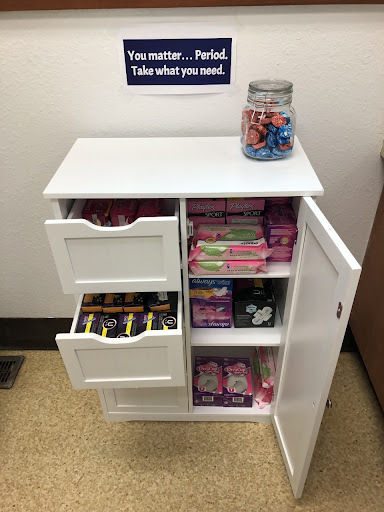
Menstrual Dignity Implementation Community of Practice
ODE is hosting a community of practice session to discuss requirements, recommendations, and best practices for the implementation of the Menstrual Dignity for Students Program. This hour-long session will provide information on lessons learned from districts across the state and other tips to strengthen the program to better serve students.
When: February 26th from 4:00-5:00pm
Where: Virtual*
*Please note that this event is for current school educators and staff. A school email address is required for registration.
|
Title IX Webinar Series
The Oregon Department of Education's Civil Rights Unit is hosting a free webinar series on Title IX, the federal civil rights law that prohibits sex discrimination in education programs, on Tuesdays from 12-1 pm during January, February, and March. All are welcome to join and learn more about Title IX and the rights of students in public K-12 schools related to sexual harassment, pregnant and parenting students, athletic access, and more.
Partner Updates & Opportunities
New Release: My Future- My Choice 8th Grade Revised Edition
The My Future-My Choice curriculum has released its 8th grade revised edition in English on the MFMC website. The free lessons meet all Oregon Sexuality Education Standards and sexuality education laws. English language slides for all 15 lessons will be added by February. A complete Spanish version with slides will be posted by March. If you have questions, please reach out to MFMCProgram@odhs.oregon.gov
|
Online Course for Educators: Curious Classrooms
Boost your sex ed skills with this free, self-paced online course designed for school teachers and community educators working with middle and high school students. Aligned with Oregon Health Education Standards, Curious Classrooms builds the foundational knowledge and skills needed to confidently deliver comprehensive sexuality education to students. This Spring 2026 offering includes eight interactive modules (45–60 minutes each). Participants can complete modules at their own pace or follow a suggested weekly schedule as facilitators highlight one topic per week.
When: February 16- April 17, 2026
Where: Virtual
Sex Ed News & Resources for Educators
ODE is committed to supporting school districts with implementing Oregon Human Sexuality Education (OAR 581-022-2050). Please see below for related news and resources for K-12 educators.
Research & News for Educators
-
Musk's xAI limits Grok's ability to create sexualized images of real people on X after backlash, CNBC, January 2026
-
A short social media detox improves mental health, a study shows, National Public Radio, December 2025
-
Over 20% of Sexual Health-Related TikToks Contained Inaccurate Information, American Academy of Pediatrics, September 2025
-
Plus-sized model Tess Holliday wants more for teens than 'SkinnyTok', USA Today, August 2025
-
Sexual Extortion & Young People: Navigating Threats in Digital Environments, Thorn, July 2025Resources for Educators
Resources for Educators
Resources & News for Cervical Cancer Prevention Month
The below resources support instruction on Health Education Standards 5.SRH.3, 6.SRH.8, 8.SRH.9, and HS.WHP.3, addressing best practices to prevent cancer and sexually transmitted infections (STIs), including Human Papilloma Virus (HPV)-- the primary cause of nearly all cervical cancers.
-
Federal Screening Guidance Expands Cervical Cancer Testing, ABC news, January 2026
-
OHA urges screening during Cervical Cancer Awareness Month, Tillamook Headlight Herald, January 2026
-
What Is HPV?, video and resources by Amaze
-
HPV Resources, Oregon Health Authority
-
HPV Vaccination Is Cancer Prevention, Oregon Health Science University
-
Screenwise Program, provides education, screening, early detection, evidence-based care and access to medical treatment, Oregon Health Authority
Resources for Trafficking Prevention Month
Upcoming Events, Training & Conference Opportunities for Educators
Unless hosted or facilitated by the Oregon Department of Education (ODE), these training opportunities have not been endorsed by ODE, but are being shared as relevant opportunities for education professionals to consider.
Questions? Connections?
Please reach out to us at ode.sexed@ode.oregon.gov.
Did someone forward you this newsletter? Want to stay connected with sexuality education at the Oregon Department of Education? Visit our website or subscribe to the ODE Sexuality Education ListServ today!
|