hanges approach to homeless camp cleanup in Bend and cuts costs
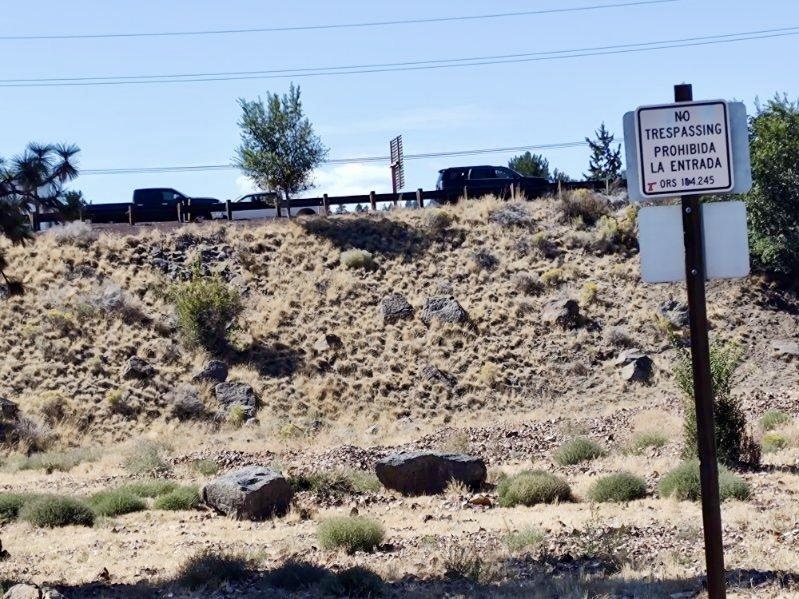 ODOT uses multiple methods to discourage camping near Revere Avenue in Bend.
Sept. 16, 2026
For more information, contact Kacey Davey, 541-280-2716
BEND -- Maintaining Oregon’s highways involves much more than paving roads and filling potholes. It also means responding to a wide range of issues, including camps in highway right-of-way. Across the state, ODOT is looking for ways to do that work more efficiently. In Bend, changes to how camps are managed have helped reduce associated costs by nearly 70% over two years.
Camping in highway right-of-way creates safety concerns. These areas are not designed for people to live in and can place people close to moving traffic. Right-of-way serves many purposes, from highway maintenance and emergency response to providing clear space alongside the highway for vehicles that leave the road or are involved in crashes.
In the Bend area, camps grew significantly in number and size around 2020, increasing the staff time and resources needed to address them. Larger camps could require an entire maintenance crew for several days, along with outside cleanup services, equipment and disposal or storage.
Beginning around 2024, ODOT shifted its approach in Bend toward addressing camps sooner and preventing them from becoming established where possible.
Rather than relying primarily on maintenance crews to respond when camps needed cleanup, ODOT assigned one employee to take the lead on camp-related work in the Bend area. Making this a consistent focus allowed for more regular monitoring, posting and cleanup while reducing the need to pull larger maintenance crews away from other work. Documentation was also digitized, reducing administrative work and making it easier to track sites and upcoming cleanups.
ODOT designated more right-of-way locations as no-trespass areas, allowing camps in these areas to be addressed sooner. Traditional campsite removal requires 10 days’ notice to relocate, while camping in a designated no-trespass area requires only 24 hours’ notice. The decision to designate an area as no-trespass is not taken lightly because it closes that area to everyone, not just people who are camping. ODOT generally works to keep public right of way accessible when possible but determined that some locations needed to be closed to address camps sooner and reduce safety concerns associated with camping along the highway.
At some frequently used locations, ODOT also placed boulders to discourage camps from becoming established.
“We’re approaching the work differently than we did several years ago,” ODOT District Manager Jim Scholtes said. “Having one person take the lead gives us consistency. They know the locations, they know what’s changing, and they can keep the work moving instead of starting from scratch each time.”
Today, an employee serves as the primary point person for camps in ODOT right-of-way in the Bend area. He identifies and monitors camp locations, talks with people staying there about where and why camping is and isn’t allowed, provides trash bags and water, posts required notices, and does much of the cleanup work himself.
The approach used in Bend reflects the specific conditions and resources available in the area. ODOT works with communities across the state to address camps in ways that fit local needs, using different tools, partnerships and approaches depending on the circumstances. What works well in one community may not be the right approach in another.
ODOT coordinates with local service providers and agency partners so they are aware of upcoming work and can connect with campers and offer available services and assistance.
The difference in cost has been significant. ODOT data shows expenditures for campsite cleanup in the Bend section totaled about $440,000 in fiscal year 2024. That year included costs for physical deterrents such as boulders and vegetation removal, but it also marked the beginning of many of the changes to how the work is managed today. Spending dropped to about $185,000 in fiscal year 2025 and $134,000 in fiscal year 2026, a decrease of nearly 70% over two years.
These savings come at an important time for ODOT. As the agency faces significant financial constraints, it is looking across its operations for ways to work more efficiently, reduce costs and make the most of available transportation dollars. Because of a structural revenue issue caused by flattening gas taxes, inflation and legal restrictions on available funding, ODOT has reduced spending by about $500 million since 2019 to stay within available funding. The changes to campsite cleanup in Bend are one small example of the efficiencies and process improvements contributing to that broader effort. Other examples include increasing self-service options for DMV customers and truck drivers, consolidating office space and shifting service center hours to reduce staffing during hours with lower call volumes.
“This is one of many places where we’re looking at how we do our work and asking whether there’s a more efficient way to do it,” Scholtes said. “There isn’t one change that solves our larger funding challenges, but finding ways to reduce costs and make better use of the resources we have helps us stretch available dollars further.”
|