ODOT crews focus on maintenance to keep Oregon bridges safe
2025 Bridge Conditions Report highlights inspections, repairs and ongoing work statewide
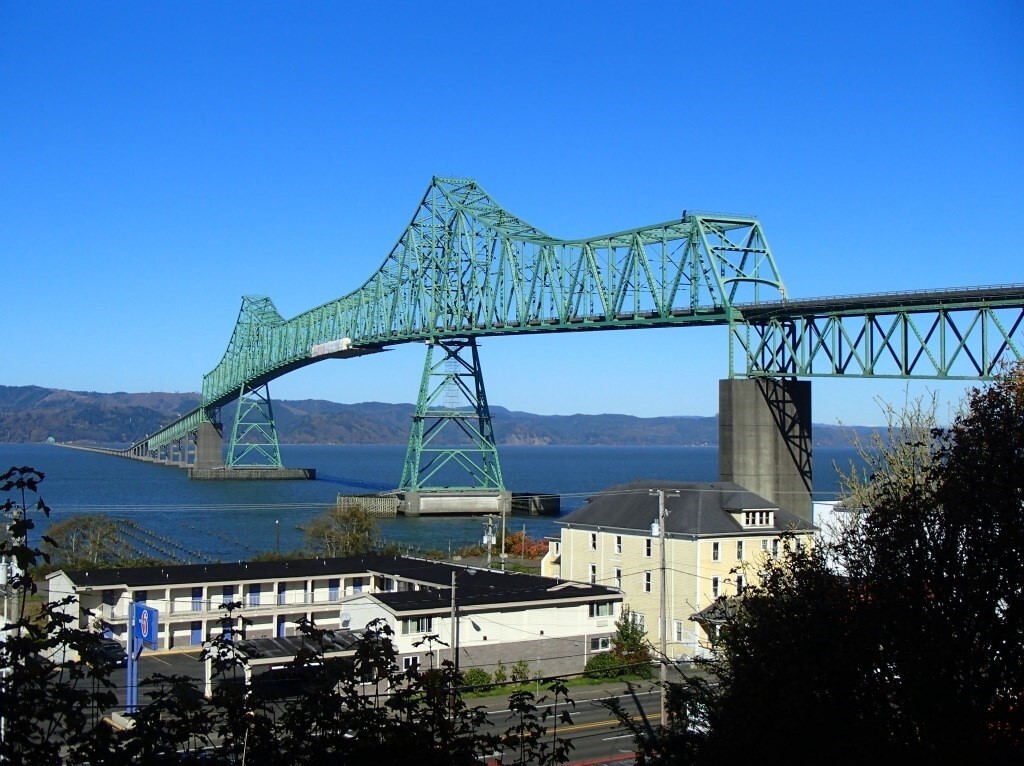
The Astoria-Megler Bridge during a painting project from 2016 on the underside of the main truss.
April 2, 2026
For more information, contact: Mindy McCartt, 503-507-6045
SALEM – The Oregon Department of Transportation has released its 2025 Bridge Conditions Report, highlighting the condition of bridges statewide and the work underway to keep them safe and in service.
ODOT maintains 2,786 state-owned bridges that connect communities and keep people and goods moving across Oregon. Crews inspect, maintain and repair bridges every day to prevent problems and keep traffic moving.
ODOT’s top priority is safety. Bridges that remain open to traffic have been inspected and meet safety standards.
In addition to required inspections every two years, maintenance crews regularly check bridges, conduct engineering evaluations and monitoring so they can address issues as they arise.
If ODOT identifies a concern, the agency acts right away. This may include repairs, setting weight limits or closing a bridge if it cannot be used safely.
How does ODOT keep bridges safe and in good condition?
ODOT uses a combination of day-to-day maintenance and larger repairs to keep bridges in service.
Maintenance crews are the front line of bridge safety. While certified inspectors conduct required inspections every two years, maintenance crews regularly check bridges and handle work like clearing drains, removing debris and fixing small issues before they become bigger problems.
Certified inspectors conduct required bridge inspections every two years. That is not the only time ODOT checks bridges. Between inspections, maintenance crews regularly monitor conditions and address issues early, before they become bigger problems.
Preventive and maintenance work includes:
- Clearing drainage to prevent water damage
- Cleaning expansion joints so bridges can safely expand and contract
- Removing vegetation that traps moisture and leads to corrosion
- Sealing bridge decks to protect against water and winter chemicals
- Repairing or replacing worn surfaces like asphalt and concrete
These efforts help prevent weight restrictions and extend the life of bridges.
Why does this work matter?
When bridges are not maintained, they weaken over time and may no longer safely carry heavy loads.
Weight-restricted bridges can force trucks and emergency vehicles to take longer routes, increasing response times and the cost of moving goods.
Regular maintenance helps avoid those impacts and keeps Oregon’s transportation system running smoothly.
How often does ODOT inspect bridges?
All state-owned bridges are inspected at least every two years by certified inspectors. Bridges with known issues are inspected more often.
If a bridge shows signs of concern, it may be load rated to determine how much weight it can safely carry while plans are developed for repairs or replacement.
Many recent changes in condition ratings are tied to updated federal inspection standards, not just physical changes to the bridges. Because inspections occur on a two-year cycle and new standards are still being phased in, these updates will continue to influence ratings through 2027.
If a safety issue is identified during any inspection, ODOT takes action right away to keep the bridge safe.
What do bridge ratings mean?
ODOT uses national standards from the National Bridge Inventory to rate bridge conditions. Bridges are given a numerical score from 0 to 9 based on the condition of key components like the deck, superstructure and substructure.
- Good (7–9): Little to no wear
- Fair (5–6): Showing wear but still functioning
- Poor (4 or below): Needs more significant repairs
Most ODOT bridges, about 84%, are in fair condition. This reflects ongoing work to maintain and preserve aging bridges.
Bridge ratings are determined during inspections by certified engineers, who evaluate the structure and determine how much weight it can safely carry. These ratings guide maintenance decisions, set weight limits when needed and help prioritize repairs or replacement.
A bridge in poor condition is not automatically unsafe. Safety is based on detailed inspections and engineering analysis. If a bridge cannot safely carry traffic, ODOT takes action right away.
How does ODOT manage older bridges?
About 60% of Oregon’s bridges were built before 1973. As these bridges age, they need more frequent repairs, similar to maintaining an older home or car.
Over time, parts wear down from constant use and environmental factors like weather, water and traffic. For example, bridge decks, the driving surface, can wear down from heavy traffic, deicing chemicals and coastal conditions.
ODOT manages this through a combination of preservation, maintenance and targeted investments, including:
- Targeted repairs while bridges are still in fair condition
- More frequent inspections on older or stressed structures
- Prioritizing key freight and emergency routes
- Seismic upgrades to improve earthquake resilience
With limited funding for replacements, this approach helps extend the life of bridges from about 50 years to 75 years or longer.
This is especially important as today’s bridges carry more traffic and heavier vehicles than they were originally designed for.
Other highlights from the report
- ODOT completed 1,316 inspections last year
- ODOT replaced six bridges in 2025
- ODOT added five bridges to the system
- Major Bridge Maintenance crews repaired 12 bridges in poor condition and addressed 53 with urgent needs
- ODOT completed load ratings on 21 state bridges and 256 local bridges
To learn more about the condition of Oregon’s bridges, visit the Bridge Conditions Report webpage.
|