|
|
|
January 2026 Newsletter
|
|
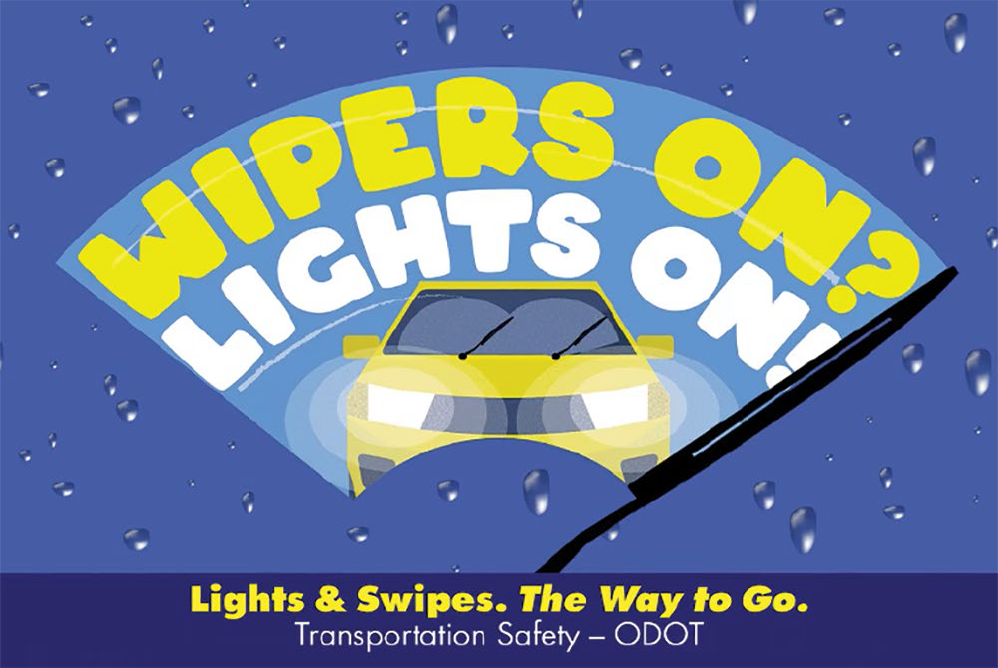
Winter weather can make driving more dangerous, especially in rain, snow and fog. Driving at night is also riskier, with crashes happening about three times more often than during the day. Using your headlights correctly helps you see and helps others see you.
In Oregon, it's the law to turn on your low-beam headlights whenever your windshield wipers are on. Headlights make your vehicle more visible to other drivers, bicyclists and people walking.
Stay safe with these winter driving tips:
-
Slow down. Most crashes happen when drivers are going too fast for conditions. Turn off cruise control and adjust your speed.
-
Keep headlights clean. Dirt, road spray and fog can dim your lights and reduce visibility.
-
Use low beams. High beams can reflect off snow or fog and make it harder to see.
-
Improve visibility. If your wipers are on, your headlights should be on, too.
-
Don’t stop in travel lanes. If visibility drops suddenly, pull off the road as far as possible. Turn off your lights, set the parking brake and turn on hazard lights.
-
Be cautious. If you can’t pull over, slow down, use low beams and follow the white edge line to help guide you.
Learn more about safe driving at the Transportation Safety Office Safe Driving webpage.
|
|
|
|
If You Feel Different, You Drive Different
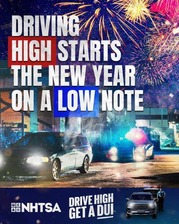
Driving under the influence of drugs is dangerous — and illegal. That's the message behind the national "Drive High, Get a DUI" campaign.
Drug-impaired driving isn’t limited to illegal drugs. Prescription and over-the-counter medications can also affect your reaction time, judgment and ability to drive safely.
If you plan to use any substance that could impair your driving, plan a safe ride before you use it. Choose a sober driver, call a taxi or use a rideshare service.
Remember: If you drive high, you can get a DUI. It’s just not worth the risk.
|
Turn Around Don't Drown
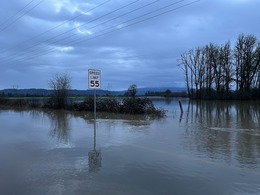
Flooding is the leading cause of storm-related deaths in the U.S. Most flood-related drownings happen when drivers enter water that’s deeper or moving faster than it appears. Many of these deaths are preventable.
Remember these safety tips:
- Never drive or walk into floodwater. You can’t see what’s under the surface.
- Don’t drive around road closures or barricades. The road may be washed out.
- Six inches of fast-moving water can knock over an adult.
- Twelve inches of rushing water can carry away most vehicles.
- Drive for conditions. Slow down in rain, mud, snow, ice or heavy traffic.
- Turn on your headlights and watch for people walking and biking.
- Follow the basics: buckle up, stay focused and never drive impaired.
Learn more at the ODOT Winter Travel Tips page.
|
Choose the Right Traction Devices for Your Vehicle
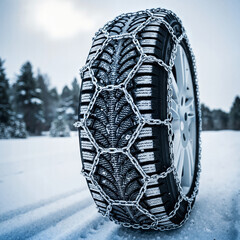
Winter driving conditions can change quickly. When you see signs telling you to carry or use chains or traction tires, it’s important to know what’s required for your vehicle.
In most winter conditions, vehicles 10,000 pounds or less that are not towing may use approved traction tires instead of chains. But during severe weather, chains may be required on all vehicles, regardless of tire type. This is known as a conditional road closure and can happen on any Oregon highway.
What to know:
- Traction tires are marked with the mountain/snowflake symbol, showing they meet winter standards.
- Studded tires are legal in Oregon Nov. 1–March 31.
- Always follow posted signs and chain requirements — conditions can change fast.
Learn more about Oregon’s chain law, traction tires and requirements at Tripcheck.com
|
Tell Us What You Think!
|
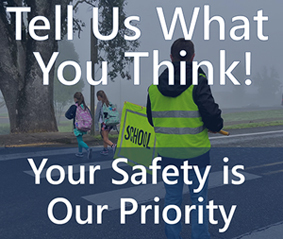
Your voice matters! Take a moment to participate in our quick survey and share your insights. Your feedback plays a vital role in shaping safety improvements in your community and across Oregon.
Together, we can make Oregon's roadways safer for everyone.
Take the Traffic Safety Survey now
|
|
 |
Resources
Have questions? Contact:
Mindy McCartt | Public Information Officer | 503-507-6065
|