We've upgraded your winter commute with more roadside cameras and smarter speed limits
Nov. 25, 2025
LA GRANDE — As winter weather returns to Oregon’s highways, we are rolling out two major technology upgrades to improve safety, efficiency, and communication for drivers and maintenance crews. These separate but complementary projects—installing 18 new roadside traffic and weather stations across the region and upgrading the variable speed limit system on Interstate 84 in Baker Valley—are part of our broader commitment to smarter, safer travel during Oregon’s most challenging driving season.
What’s new on TripCheck.com and why it matters
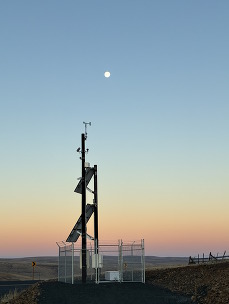
We've installed 18 new roadside traffic and weather stations with cameras and sensors that monitor road and weather conditions in real time.
This information goes directly to highway message signs and TripCheck.com, so drivers can make safer, more informed travel decisions—especially during winter months.
They also help our maintenance crews. They can now remotely check conditions and send equipment where it's needed most—saving time, fuel, and improving response times in remote areas.
Crews are finishing connections in three locations and expect those to be online soon. Visit the project webpage for a list of all new weather camera locations.
(Photo: One of 18 new cameras, located on U.S. 395 at Cape Horn, milepost 36, in Umatilla County.)
|
Real-time weather and pavement sensor upgrades on I-84 in Baker Valley
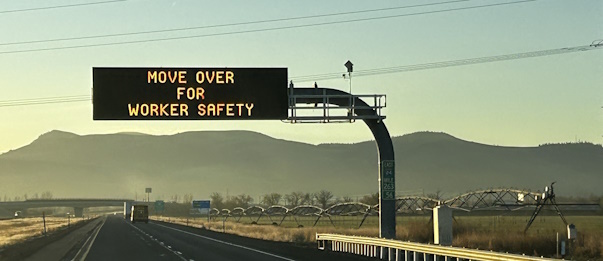
We've completed a major upgrade to our variable speed limit system along a 30-mile stretch of I-84 in Baker Valley, one of the state’s most weather-impacted corridors.
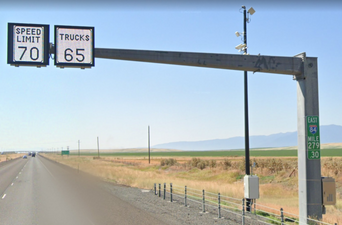
This project added two new variable speed limit signs, additional weather and pavement sensors, and new variable message signs that alert motorists to changing road conditions and chain-up requirements.
Unlike regular speed limit signs, the variable signs adjust automatically based on conditions. Sensors mounted on weather station poles detect whether the road is wet, icy, or slick—like radar scanning the surface. They work with nearby weather stations to determine what the speed limit should be and what warnings to show on the signs. If conditions worsen, the system lowers the speed limit. When things improve, the limit increases to keep traffic moving safely.
The new signs complement the speed limit system to share real-time safety information, including weather alerts, chain-up notices, and other safety messages.
Originally installed in 2016, the Baker Valley system has already proven effective in reducing crashes and improving travel reliability. These latest upgrades make the corridor even more responsive to the region’s unpredictable winter weather.
(Photo: Existing variable speed limit signs and weather pavement sensors on I-84 eastbound.)
|
What you can do
These tools help make winter driving safer, and they’re just part of the picture. Safe travel still starts with you—so plan ahead, stay alert, and be ready for changing conditions.
Visit our Winter Travel Tips page. A few reminders:
- Stay home during winter storms if you can.
- Consider altering your travel plans to leave early or stay late.
- Carry chains and know how to use them.
- Have food, water, medicine and other emergency supplies in your car.
- Keep your phone charged.
- Have a full tank of gas or a full charge on your electric vehicle.
- Visit TripCheck.com for up-to-the-minute road conditions and more information on Oregon’s chain law and chain requirements. Or get the latest road conditions by calling 511.
Project contact: Vicki Moles | Community Affairs Specialist | 541-620-4527
For information about other projects in Eastern Oregon, visit the Region 5 Eastern Oregon projects webpage.
|