|
|
|
September 2025 Newsletter
|
|
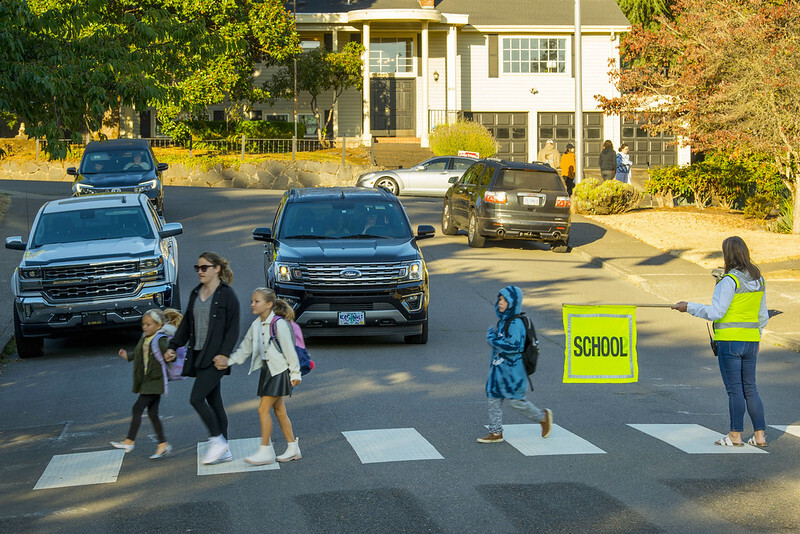
As summer winds down, it’s time to settle into the fall back-to-school routine. With school back in session, kids are walking, riding, and rolling to school.
Drivers should remember to:
- Plan ahead and give yourself extra time to commute. With more traffic and people on the roads, it's likely your drive time may take a little longer than it did during the summer.
- Slow down; especially in neighborhoods and school zones where more vulnerable road users are present.
- Stay alert and avoid distractions. Kids can be unpredictable when walking and biking to school.
- Watch out for kids who may unexpectedly step out from in-between parked cars.
- Always obey traffic signals, crossing guards and school bus flashing lights.
- Yield at both marked and unmarked crosswalks and stop for pedestrians who are preparing to cross.
For more information about safe driving and sharing the road with young pedestrians, bicyclists and school buses, visit the National Safety Council Back to School Sharing the Road webpage.
For information about how to get to school safely, visit the Oregon Safe Routes to School webpage.
For information about a variety of transportation safety related topics, visit the Transportation Safety Office webpage.
|
|
|
|
Child Passenger Safety Week - September 21st - 27th
|
Just like rear-facing car seats are essential for babies, car seats and booster seats are equally necessary next steps.
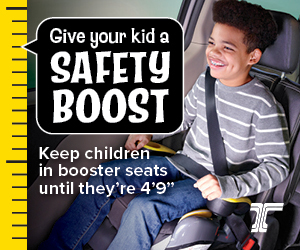
Booster seats are a necessary step between car seats and seat belts. Booster seats position the adult seat belt so that it fits properly over the stronger parts of your child’s body to protect them in a crash.
If a booster seat is the right seat for a child’s age and size, then that is the safest way for them to be protected in a crash. Children should stay in a booster seat until a seat belt fits correctly.
You can learn more about child passenger safety by visiting the NHTSA Child Passenger Safety Week webpage.
You can also visit the National Safety Council Child Passenger Safety webpage.
For information about Car Seat Events, visit the TSO Safety Belts and Child Seats webpage.
|
|
 |
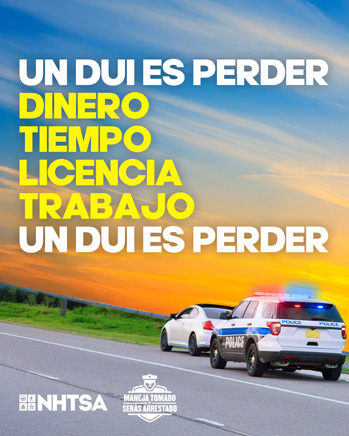
New NHTSA Spanish Language Poster
Driving a vehicle while impaired is a dangerous crime. Tough enforcement of impaired-driving violations has been a major factor in reducing impaired-driving deaths since the 1980s. Charges range from misdemeanors to felony offenses, and penalties for impaired driving can include driver’s license revocation, fines, and jail time. It’s also extremely expensive. A first-time offense can cost the driver upwards of $10,000 in fines and legal fees.
This new NHTSA Spanish language poster highlights what you lose if you are pulled over for a DUI. The English translation is:
DUI is a waste of - Money - Time - License - Work - DUI is a waste
Visit the NHTSA Risky Driving website for information about a variety of transportation safety topics.
|
Transportation Safety Office Manager, Traci Pearl is Retiring
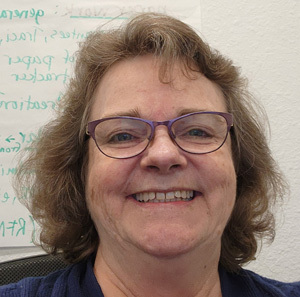
In 2016, Traci joined the Transportation Safety Office, then known as the Transportation Safety Division. When asked about what she saw as her biggest accomplishment while with TSO, Traci indicated it was implementing the High Visibility Enforcement Program. The program helps local and state law enforcement agencies to conduct targeted traffic enforcement events such as DUII, distracted driving, and pedestrian safety in high-crash areas through grant funding and strategic partnerships.
Retirement will provide Traci with plenty of family time in Nevada. She has six children, eight grandchildren, and two great-grandchildren! She also hopes to pursue some volunteer and/or contract work. She will greatly miss the TSO staff and the friendships made over the years. She will also miss the feeling of “making a difference” in people’s lives through her efforts in trying to improve traffic safety.
|
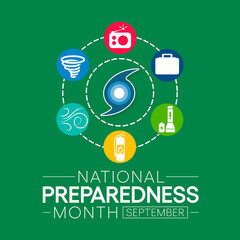
It's Always Good to be Prepared
Tell Us What You Think!
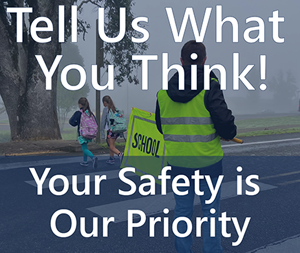
Your voice matters! Take a moment to participate in our quick survey and share your insights. Your feedback plays a vital role in shaping safety improvements in your community and across Oregon.
Together, we can make Oregon’s roadways safer for everyone.
Take the Traffic Safety Survey Now
|
Resources
|