|
|
|
March 2025
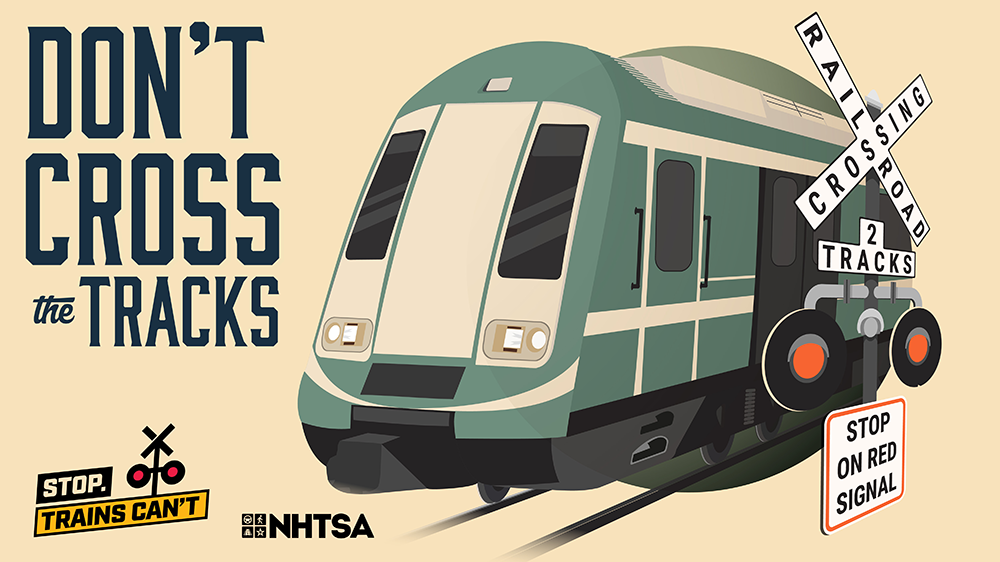
Well…they can, but it takes a while. A freight train may take up to a mile or more — the length of 18 football fields — to stop, and a light rail train may require about 600 feet — the length of two football fields. Follow these tips to stay safe.
As a driver:
-
Stop, look both ways, and listen. Know that trains always have the right of way.
-
Don’t stop on the tracks. Make sure you have room to get across. Once you enter the crossing, keep moving.
-
Stop 15 feet away from flashing red lights, lowered gates, a signaling flagman or a stop sign.
-
Never drive around a lowering gate or ignore signals.
-
After a train passes, wait for gates to fully rise and for all lights to stop flashing before your cross.
-
Never assume that there is only one train coming from a single direction.
-
If your car stalls on a track, quickly get everyone out — even if you don’t see a train coming. Run away from the tracks and your car to avoid being hit by flying debris. Call the number on the blue emergency notification system sign. If the sign is not visible to you, call 911.
As a pedestrian:
-
Railroad tracks are private property. Walking on or beside the tracks is illegal.
-
Cross only at designated crossings. Cross where there is a railroad crossing sign, flashing red lights, or a gate.
-
Stop, look, and listen. Before crossing, stop, look both ways, and listen for trains.
-
Avoid distractions. Don't text, use headphones, or get distracted by music or conversation.
|
|
|
Saint Patrick’s Day
A sober ride is your lucky charm to a great St. Patrick’s Day! Plan ahead if you choose to drink with friends. Buzzed Driving Is Drunk Driving.
|
Help Your Teen Stay Safe Behind the Wheel

The first six months after obtaining a driver license tend to be the most dangerous for teenage drivers across the nation, but Oregon's graduated driver licensing program has improved safety since it started in 2000. Motor vehicle crashes are the No. 1 cause of death for 15- to 20-year-olds.
A national study shows teens who take formal driver training in Oregon have much lower crash rates. Yet only about a third of eligible Oregonians actually sign up for driving classes, saying they don't have the time, money, or easy access to them. Oregon teens who took an approved ODOT driver education course have fewer crashes, traffic convictions, and suspensions. Find an ODOT-approved driver education course near you.
|
Rules of the Road – Following Too Close
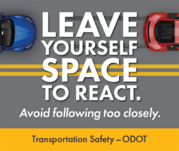
Keep your distance. When drivers tailgate, they significantly reduce their stopping distance – or the distance needed to come to a complete and safe stop. Maintaining a safe distance from the vehicle in front of you gives you a better view of the road and other traffic, so you can anticipate problems and have more time to react. A safe following distance is 2-4 seconds in good weather conditions to provide extra time for road hazards, poorly secured loads, and changing traffic conditions. During inclement weather, heavy traffic, or night-time driving, increase your following distance for added safety.
|
Vehicle Safety Recalls Week, March 3-9
Drivers can use the free, user-friendly Vehicle Identification Number (VIN) Look-Up Tool, located at NHTSA.gov/recalls to check for open safety recalls on their vehicles or automotive equipment, such as tires and car seats. Checking for recalls is quick and easy. The best part? All repairs are free. Get those open safety recalls repaired for free as soon as possible. Your diligence will help keep you and others safe on the roadways.
|
Passionate About Impaired Driving Prevention?
Tell Us What You Think!
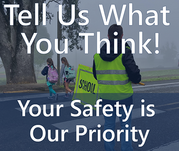
Your voice matters! Take a moment to participate in our quick survey and share your insights. Your feedback plays a vital role in shaping safety improvements in your community and across Oregon.
Together, we can make Oregon’s roadways safer for everyone.
Take the Survey Now
|
Resources
Flying in 2025? Starting May 7, you’ll need federally accepted ID. Be REAL ID ready!
|