|
|
|
February 2022
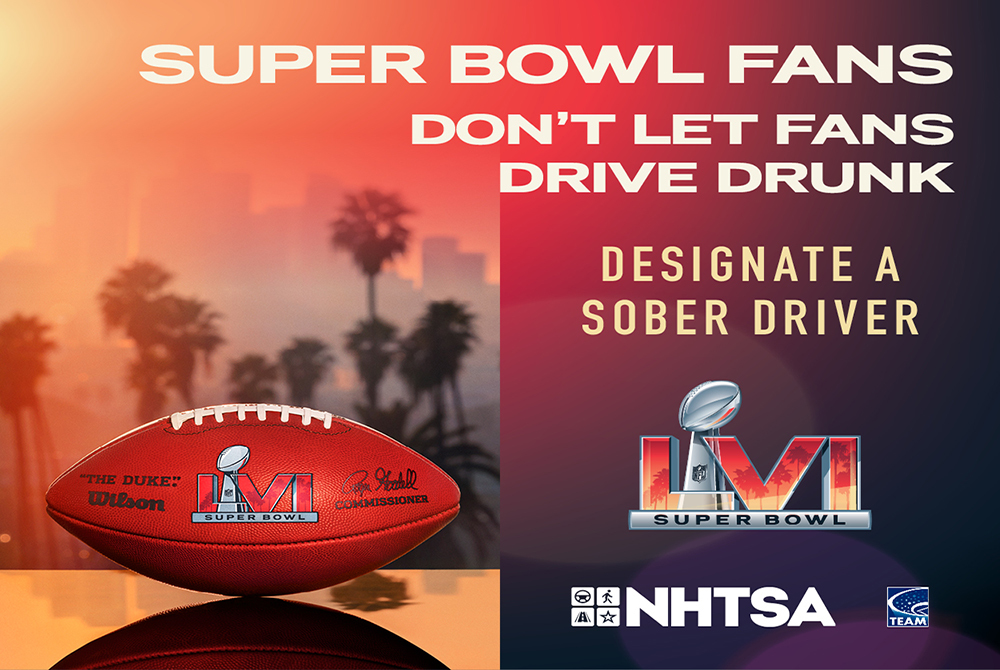
Each year, the Super Bowl garners millions of viewers, with many taking the opportunity to cheer on their favored team with a night out or by attending a party. To help keep us all safe on the roads, we are teaming up with local highway traffic safety advocates and NHTSA to remind football enthusiasts that: Fans Don’t Let Fans Drive Drunk.
This year, the Big Game falls on February 13. If your night involves alcohol outside your home, plan for a sober ride home. If you’re hosting a party, take care of your guests. Prepare plenty of snacks and nonalcoholic drinks for your guests and the designated drivers. Ask your guests to designate their sober drivers in advance. And have a fun and safe Super Bowl Sunday!
|
|
|
 Alert Your Family First If You’re in a Crash
If you are in a crash or other situation where you can’t communicate with emergency responders, a new service for Oregonians will help police contact your family faster. Starting Jan. 3, 2022, you can register up to two people, age 18 and older, as emergency contacts through DMV for situations where you can’t communicate.
|
|
 Be Careful Driving Around Snowplows
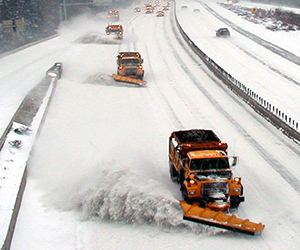
With winter weather persisting in many parts of the state, drivers should remember to always pay attention when approaching winter maintenance equipment and never pass snow plows on the right.
|
|
|
|
Stop on Red
Verra Mobility's release of their 2021's Worst Red-Light Runners video highlights the importance of road safety, the value of automated enforcement, and shows how dangerous driving decisions and in-vehicle distractions can have a devastating impact on human life. According to the AAA Foundation for Traffic Safety, more than a quarter of fatal crashes at signalized intersections are the result of red-light running. That same report indicated nearly one-half of the victims were passengers in the vehicles involved in the crash. Red-light running, unlawful speeding, and illegally passing school buses all pose a dangerous threat to the safety of all who share our roadways. Always stop on red!
|
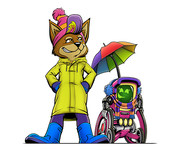
Winter Walk to School Day
Winter Walk (or Bike) to School Day is coming up on February 23. With the right preparation, walking or biking to school in the winter can be fun and enjoyable! A little bit of exercise before starting the day can help improve children’s learning in school, provides much needed daily exercise, allows them to have fun with their friends, and helps reduce air pollution and traffic congestion around schools. Dress for winter weather – wear layers, scarves, rain gear, and reflective clothing to stay visible and dry.
|
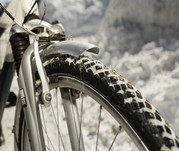
Winter Biking
Biking is a year-round activity, but the winter months require riders to take a few extra steps to bike safely. Whether it is high winds, snow, ice, or relentless rain, there are a lot of biking hazards for cyclists to look out for this time of year. Our friends at The Street Trust have provided some excellent tips to help you bike in winter conditions.
|
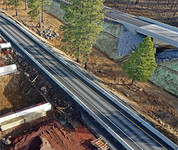
Success Breeds Success on Wildlife Undercrossings
Two undercrossings north of Sunriver on central Oregon's busy U.S.97 have been in place for several years – long enough to produce a notable reduction in crashes. Now, there’s a new passage just north of Gilchrist on the way, and ODOT is set to build more south of Sunriver as part of an upcoming highway project. Learn more about this safety project and how it is contributing to ODOT's Strategic Action Plan priority of creating a modern transportation system that serves all Oregonians.
|
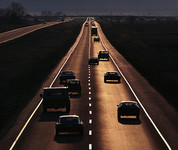
Federal $1.2 Billion Transportation Funding
Safety is vital to every transportation program and project – and a key part of the Oregon Department of Transportation’s Strategic Action Plan. Much of the estimated $1.2 billion in additional transportation funding on its way to Oregon from the recently passed federal Infrastructure Investment and Jobs Act will focus on safety.
|
National Roadway Safety Strategy
On January 27, U.S. Transportation Secretary Pete Buttigieg announced a comprehensive new National Roadway Safety Strategy that sets a goal of zero roadway fatalities and draws attention to the national traffic safety crisis plaguing America’s roads. The strategy recognizes that communities and states will achieve zero traffic deaths using different approaches, but our collective goal is the same. Amid a surge in roadway deaths the last two years, national leadership on traffic safety is essential for addressing unsafe streets, dangerous driving behaviors – like speeding, driving impaired or distracted, and not buckling up – and other risks that needlessly claim lives on our roads every day.
|
Resources
|