|
|
Date: March 20, 2026
Contact: Communications.odhs@odhs.oregon.gov

The 2026 session of the Oregon Legislative Assembly has concluded, and I want to take a moment to share the outcomes with you. In this 35-day short session, legislators worked through a packed agenda that included adjusting the state’s 2025-27 budget and addressing a host of pressing policy priorities. For the Oregon Department of Human Services (ODHS), there were two major issues at stake: Securing funding to implement sweeping new requirements under U.S. House Resolution 1 (HR 1) and navigating a statewide budget shortfall that requires reductions across all Oregon agencies.
I’m pleased to report that we are emerging from the session in a relatively strong position, equipped with the resources we need to comply with HR 1 and avoiding the need for layoffs despite modest reductions to our budget.
|


The Oregon Department of Human Services (ODHS) has released a new short video about the ways people can manage their medical, food, cash and child care benefits. The video is available in both English and Spanish.
The new video builds on our online how-to library and provides step-by-step information about how people can:
|

Recent federal changes mean more people in Oregon who receive SNAP food benefits must now show they are working, looking for work or participating in training to continue receiving aid. WorkSource Oregon centers offer free employment and training services to help people meet the requirement and stay eligible.
The Oregon Department of Human Services and the Oregon Employment Department, both WorkSource Oregon partners, are encouraging people who receive SNAP food benefits to take advantage of free job search and training at one of the 37 centers across the state.
Recent federal changes mean some adults who receive SNAP must now meet work requirements to keep getting benefits for longer than three months. These changes apply to more people than in the past, including some adults up to age 64 and some households with older children.
|
Thank you to everyone who participated in the January Together We Plan Community and Tribal Budget Sessions, both in person and virtually. We deeply appreciate the time, honesty and lived experience shared during these conversations. These discussions are important because budget decisions are not just numbers on a page.
They directly impact individuals, families, providers, and communities across Oregon. Your participation helps us better understand those impacts. Information about upcoming sessions and community briefings will continue to be shared on the Oregon Department of Human Services (ODHS) website.
Why these conversations matter
Participants consistently emphasized that:
• Budget decisions shape real lives and real services.
• Listening must be paired with transparency and follow-through.
• Clear communication builds trust, especially through uncertainty.
• Engagement should not be a one-time event but an ongoing process

In recognition of Brain Injury Awareness Month, Oregon Department of Human Services wants everyone to know about the brain injury hotline that helps people navigate resources.
The phone line is available to anyone in Oregon affected by a brain injury as well as family members, caregivers and others needing information.
ODHS resource navigators are available Monday through Friday, from 8 a.m. to 5 p.m. and provide:
- One-on-one, free and confidential support.
- Personalized referrals to resources specific to brain injury recovery and management.
- Comprehensive resource information to help navigate available services and options.
- Advocating on behalf of people with brain injuries and supporting them in self-advocacy.
|
 |
|
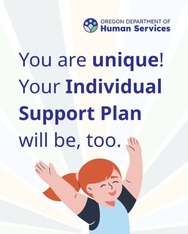
If you get intellectual and developmental disabilities (I/DD) services in Oregon, you make an Individual Support Plan (ISP) that’s just for you. The ISP helps you plan the good life that you want to live. Your ISP talks about:
✅ What’s important to you
✅ What you want to do in life
✅ Who supports you and how they do this
✅ What services and supports you want
You guide the planning process. Your services coordinator or personal agent will help, too. You can change your plan if your life or goals change. |
|
|
|
|