|
Oregon Indian Child Welfare Act (ORICWA)
October 2024 Bulletin

|
|

I want to take a moment to express my heartfelt gratitude to everyone who contributed to the success of the 2024 Tribal-State ICWA Conference. It was an incredible week filled with connection, learning, and collaboration with our ODHS colleagues and Tribal Representatives from across the state, all centered around the vital mission of the Indian Child Welfare Act.
A special thank you goes to the Cow Creek Band of Umpqua Tribe of Indians for their generous hospitality. Their beautiful venue and the warmth with which they shared their culture, history, and traditions truly enhanced the experience for all attendees. From the stunning artwork to the delicious traditional food, every aspect of the conference allowed us to immerse ourselves in the richness of Cow Creek’s heritage and the significance of their ancestral land. It was an honor to collaborate with such a vibrant community.
|
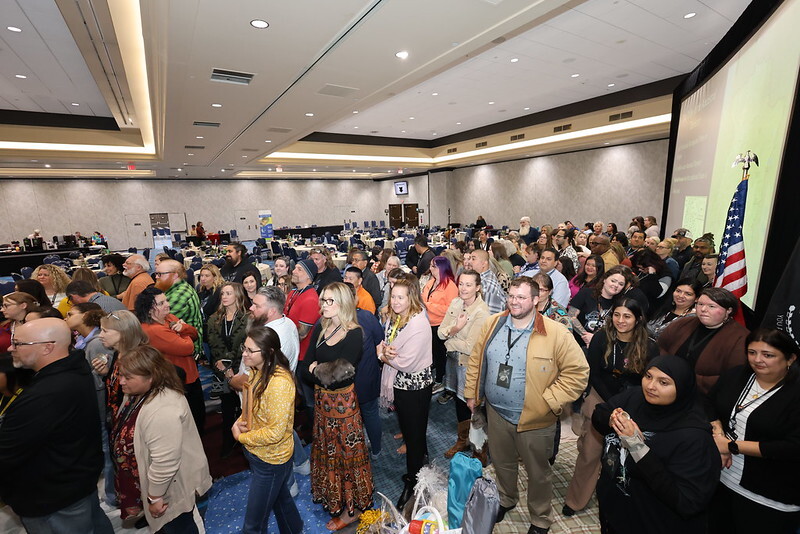 The conference not only provided us with valuable insights but also served as a powerful reminder of the impact our work has on our Tribal partners. The stories shared by our speakers and the histories presented by experts underscored the importance of keeping children connected to their Tribe and culture. This is not just a federal mandate and an Oregon law; it is a commitment to fostering relationships and honoring the sovereignty of Tribes across Indian Country.
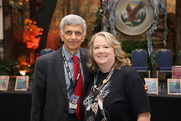
Thank you to all who attended, engaged actively, and represented our agency with pride among our Tribal partners. As we transition into American Indian & Alaska Native Heritage Month, I encourage everyone to reflect on the lessons learned during the conference and continue expanding our understanding of Tribal cultures and histories.
Stay tuned for more from our Office as we celebrate the Nine Tribes of Oregon, WAHONE, Veterans, and all of our Tribal partners throughout November. Together, let’s continue this important journey of learning and honoring the rich tapestry of our communities.
|
|
|
 In honor of American Indian & Alaska Native Heritage Month, the ODHS Office of Tribal Affairs is excited to present a special series of videos titled “The Heart and Spirit of Tribal Consultation.” Produced by the Oregon Department of Education, these videos highlight the perspectives of each of the Nine Federally Recognized Tribes of Oregon, showcasing the ongoing government-to-government relationships we are cultivating with each Tribe.
In 2022, the Oregon Department of Human Services (ODHS) began developing a Tribal consultation policy in collaboration with the Nine Federally Recognized Tribes and the Oregon Health Authority. Responding to requests from Tribal leaders for a unified ODHS and Oregon Health Authority (OHA) Tribal consultation policy, the OHA/ODHS Tribal Consultation and Urban Indian Health Program Confer Policy was officially adopted and put into practice at ODHS as of January 1, 2024.
Visit the ODHS Tribal Affairs OWL Page to watch the short video
Stay tuned for more videos in this enriching series as we continue to celebrate the heritage and contributions of our Tribal partners!
|
|
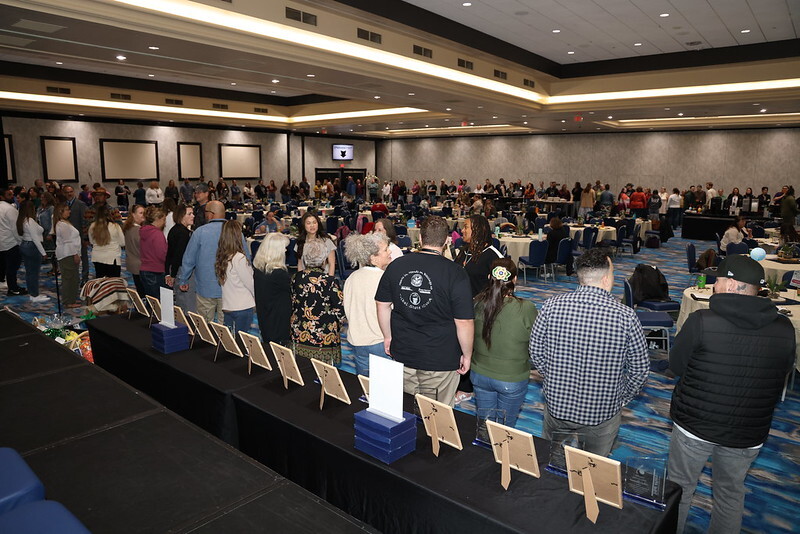
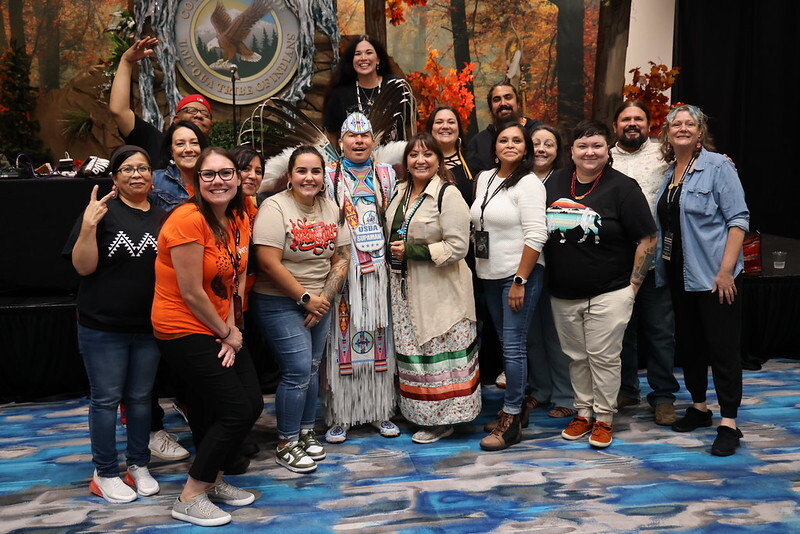 Over two and a half days, we welcomed approximately 375 Tribal representatives, ODHS Child Welfare and Self-Sufficiency staff, along with community partners at our annual conference. Attendees had the chance to engage with inspiring presenters and strengthen their connections. Click the link to explore photos from the event.
Recordings of the general session and select breakout sessions will be accessible in the upcoming weeks. You can find these recordings on the Tribal Affairs OWL page.
If you participated in the conference but didn't get a chance to complete a survey, we kindly ask you to take a moment to fill one out. Your feedback is invaluable and will assist us in planning and executing next year's conference. We truly appreciate your input!
General Session & Breakout Session Survey
Overall Conference Experience Survey
|
|
|
In November 2024, the Oregon Department of Human Services proudly recognizes American Indian and Alaska Native Heritage Month. We honor the government-to-government relationships we share with the Nine Federally Recognized Tribes of Oregon, celebrating the rich cultural history each tribe brings to our community.
This month, we amplify Tribal voices, including those of our Tribal employees, as well as Tribal children, elders, and families throughout Oregon. It serves as a reminder for all of us to educate ourselves about the history of our land and the vital role our Tribal partners play in our work.
Join us in learning more about the Nine Tribes of Oregon, our Tribal Consultation Policy, and our commitment to upholding the Indian Child Welfare Act. Together, let’s stand as allies in celebrating Native Pride this month and beyond. Download the virtual background and use it all month!
|
|
|
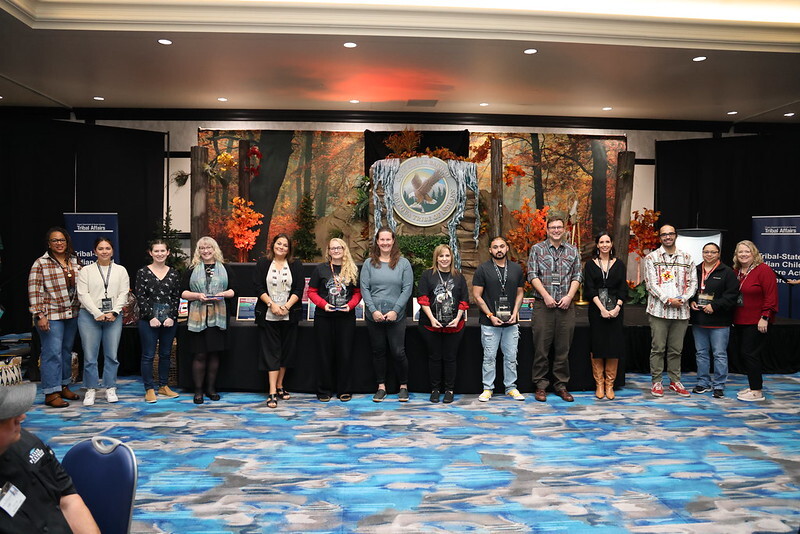
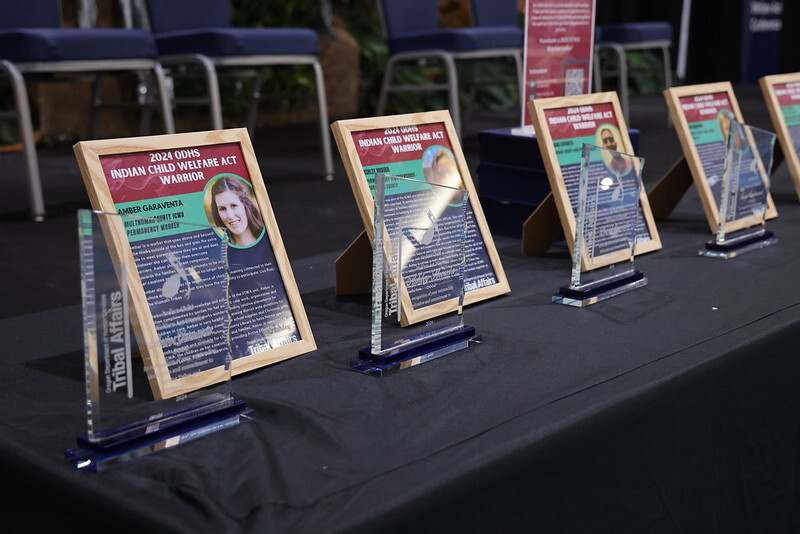
An ICWA Warrior is a Child Welfare staff member, Tribal partner and/or community partner who is a staunch advocate of ICWA/ORIWA and exemplifies the spirit of ICWA through their diligent work and practice. All ICWA Warriors receive an invitation to attend the yearly Tribal-State ICWA Conference.
Nominations for 2025 ICWA Warriors are now open! Use your phone to scan the QR code or visit the link to share your ICWA warrior nomination.
|
|

Congressional Lawmakers Seek Stricter Enforcement of the Indian Child Welfare Act
By: Nancy Marie Spears (Cherokee Citizen)
A bipartisan bill now before Congress would bolster the Indian Child Welfare Act by helping state and county child welfare agencies identify challenges and providing technical assistance “to shore up any weaknesses.”
Since the 1978 passage of the law known as ICWA, extra efforts must be made to protect Native American families from separation in the foster care system. But enforcement has been spotty, and tribal children continue to be far more likely than others to be separated from their homes and communities.
“For too much of our history, our children have been under attack,” Tehassi Hill, chair of the Oneida Nation said in a press statement in support of the newly introduced Strengthening Tribal Families Act. “Whether through the boarding school system or the rampant removal of children from tribal households in the ’60s and ’70s, the resulting trauma and loss of culture is only now starting to be reversed thanks in part to the Indian Child Welfare Act.”
Click here to keep reading
After you read the full article, connect and discuss with your co-workers, Supervisors, Manager or member of Tribal Affairs. Consider these questions to get the conversation started:
What did you learn after reading this article? What steps can you take to continue to learn more?
What steps can you take to ensure Tribal children are connected to their Tribe and Tribal communities?
How will you expand your knowledge on the history of Tribal Nations, ICWA/ORICWA or current events that are impacting the sovereignty of Tribal Nations?
|
Click to edit this placeholder text.
|
|

The Tribal Affairs OWL page features a comprehensive video library! If you're interested in deepening your understanding of Tribal history, the Indian Child Welfare Act (ICWA), or how to implement ICWA/ORICWA in various cases, explore the Tribal Affairs video library and embark on your educational journey. Once you've watched the resources, don't hesitate to discuss your insights with a staff member from the Office of Tribal Affairs, your supervisor, or a colleague.
|
|
|
Was this bulletin helpful? |
|
|
|
|