|

In this issue:
|
|
|
|
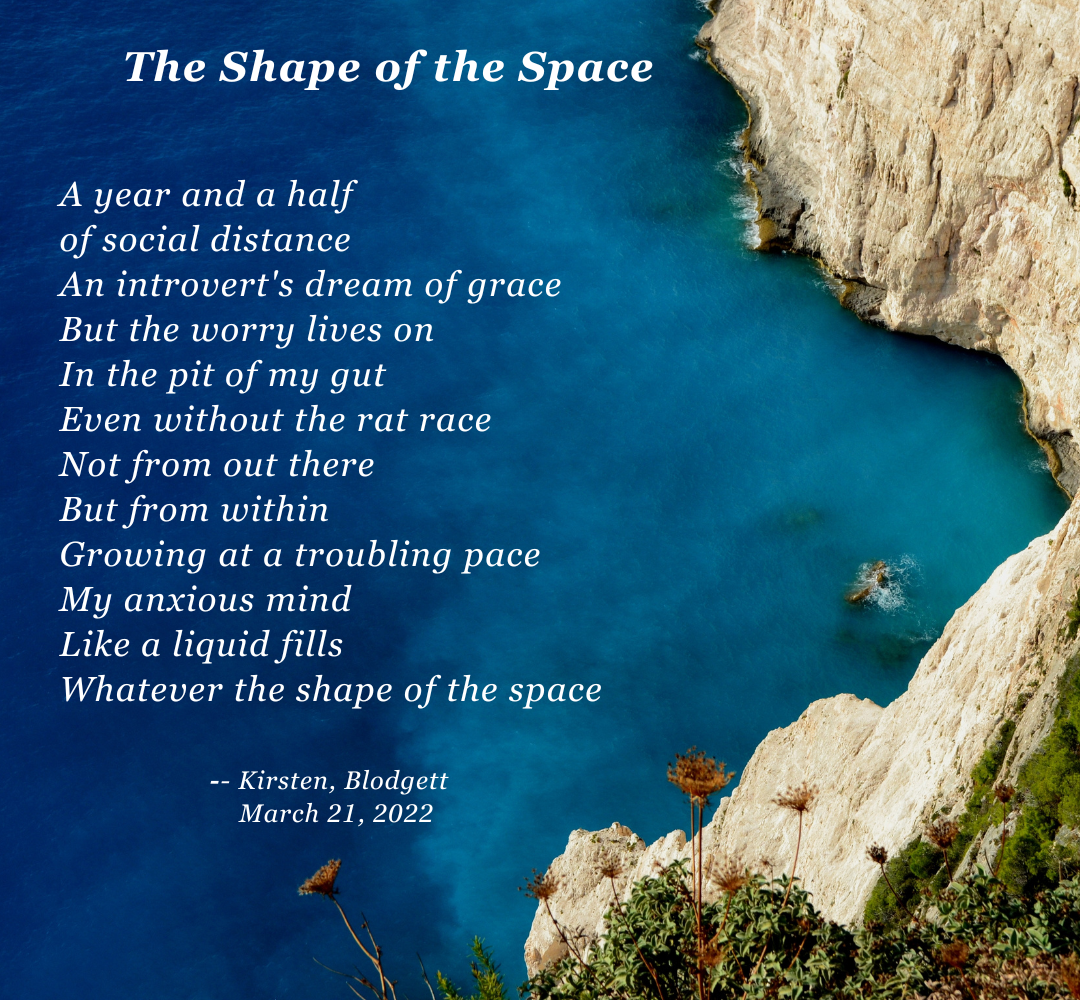
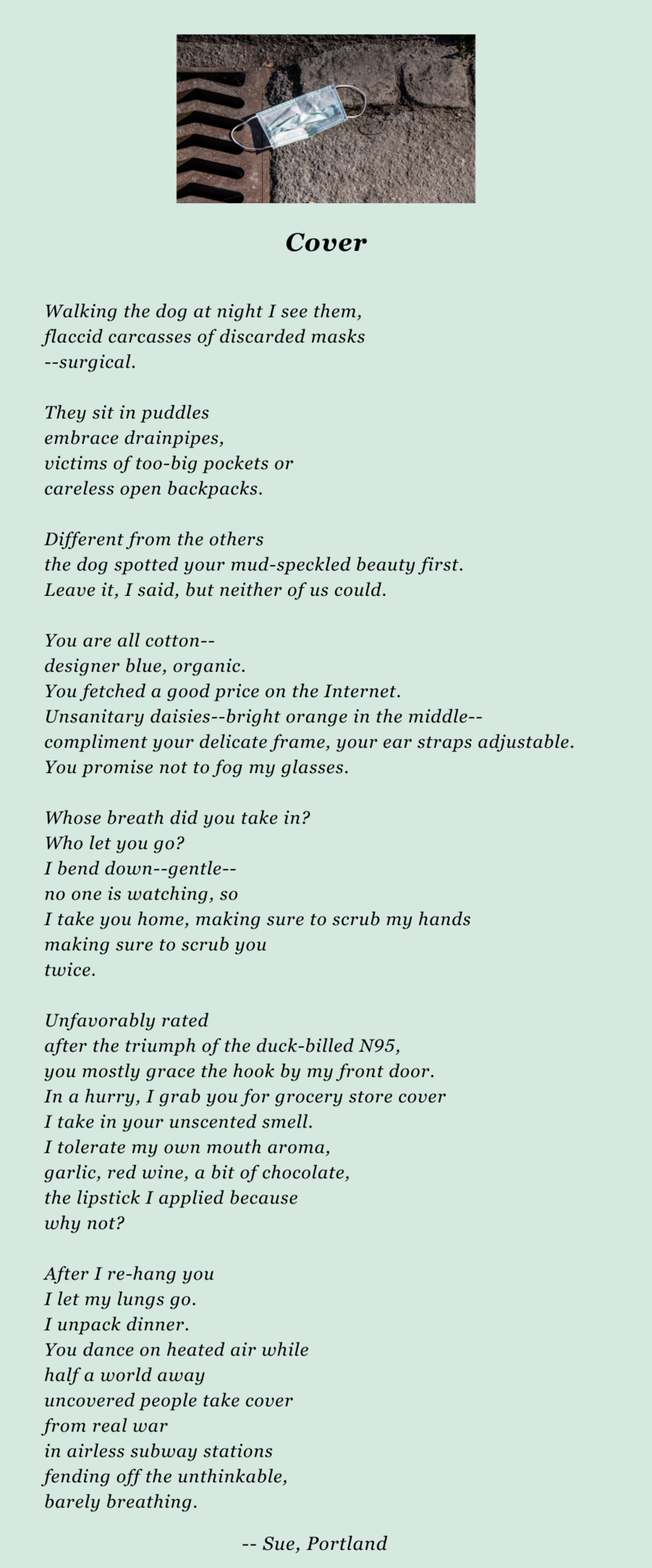
Poetry therapy is a form of mental healing that humans have practiced in some form for centuries. It dates back to the ancient Greeks and was eventually lauded by esteemed 19th century thinkers Sigmund Freud and Carl Jung. Inspired poets from the vibrant poetry scene in 1920s Manhattan, specifically Greenwich Village, practiced and promoted the healing power of poetry.
“Writing poetry can help untangle and organize your thoughts and feelings,” said Jazmin Hamilton, LMFT, board secretary for National Association of Poetry Therapy who lives in Eugene. “Our emotions can feel really overwhelming, and when you start writing about what you’re experiencing you create a little bit of a safe distance.”
To celebrate Nation Poetry Month we asked you—our readers—to send us original poetry about the pandemic, and we received an impressive array of work. We are featuring some of your poems in this story, and in future newsletters.
|
|
|
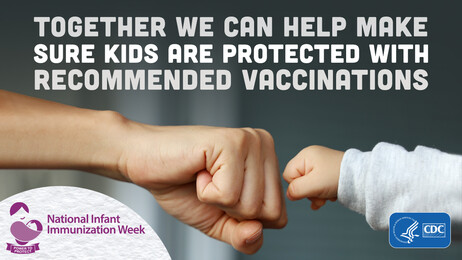
Did you know that every 2-year-old child should already be vaccinated against more than a dozen preventable diseases? Without vaccines, babies are vulnerable to hepatitis, whooping cough, COVID-19, measles and more.
This week is National Infant Immunization Week, which highlights the importance of babies under 2 to be up to date on recommended vaccinations. And because COVID-19 disrupted many families’ lives, some children have missed or delayed their wellness checkups and vaccinations, which are critical to ensuring children stay healthy. The Centers for Disease Control and Prevention (CDC) and the American Academy of Pediatrics (AAP) recommend that children stay on track with their regular checkups and routine vaccinations.
If you don’t know whether your child is up to date on their recommended vaccinations, the CDC offers this guide. You can also print this easy-to-read chart of your child’s vaccination recommendations from birth through age 6.
OHA tracks infant immunizations in Oregon, and you can see that data for 2-year-olds in your county here.
To learn about vaccination requirements for Oregon’s pre-K school children starting at age 2 months, click here.
|
|
 |
|
Health notes |
|
|
|
Watch instructional video for Medicaid benefits renewal process
If you receive a letter from the state of Oregon about your medical benefits, read it carefully and follow the instructions on what to do next, if anything. These letters will start the process of determining who is eligible for renewal of their state issued medical benefits.
After the federal government declared the public health emergency more than three years ago, Oregon automatically renewed Oregon Health Plan (OHP) and other Medicaid memberships every year. With the health emergency ending May 11, the state will resume its practice of periodically reviewing member eligibility, a process that begins with the letters that will go to members through mid-2024. Roughly 130,000 letters have already been mailed, and it’s critical that each member’s contact information is up to date to ensure every member receives their letter.
- Update contact information or find out how to get help here.
- Some members will receive two letters: one says their membership is renewed but they must still submit some information or risk losing benefits. The second letter, which usually arrives at the same time, explains what the needed information is.
- Nobody is going to lose their coverage on May 11. While most members will continue to qualify for existing benefits, those who don’t will receive 60-day advance notice before benefits end so they have time to seek out other coverage. For help finding alternative coverage, explore your options here.
- Check out this interactive timeline for the renewal process.
- Call 800-699-9075 with any questions about renewal, updating contact information or for help finding new insurance coverage. The large number of renewals is expected to cause longer wait times when calling this number; hold times are shortest between 7 a.m. and 8 a.m.
|
|
 |
|
OHA answers your questions |
|
|
|
Dr. Paul Cieslak, OHA senior health advisor and medical director, Communicable Diseases and Immunizations program, answered today’s questions.
Q: What's the fatality rate for those vaccinated vs. those that are not vaccinated? – Jerry, Salem
A: “The Centers for Disease Control and Prevention (CDC) tracks COVID-19 infections, hospitalizations and deaths by vaccination status. The most recent data show that in February, people ages 18 and older who were unvaccinated against COVID-19 were six times as likely to die from COVID-19 as those who were vaccinated (including with the updated booster). This CDC data tracker is updated monthly.”
Q: I have an underlying medical condition and don't understand why the CDC only authorized people 65 and older get another COVID-19 booster. I am in my 50s, and my husband is not quite 65 yet. When will we be able to get another booster? Why were we not included in this authorization? – Gerry, Cave Junction
A: “The U.S. Food and Drug Administration’s (FDA) recent authorization for a second dose of the bivalent booster applies to all people age 65 and older, as well as people age 6 years and older with certain conditions that compromise their immunity. The CDC affirmed the FDA’s authorization with its recommendation, and CDC offers this guide to qualifying immunocompromising conditions. If your underlying medical condition is not on CDC’s list but you believe you’re immunocompromised, speak to your doctor about whether you should get a second bivalent booster dose. Our blog from last week lays out the details of the FDA and CDC’s decisions about this.”
If you have a question related to COVID-19 or other public health topics, submit your question here. While we are unable to answer every question, we try to address questions that may be of interest to a broader audience. Please understand we are unable to provide specific medical advice for personal medical conditions.
|
|
If you need mental health support for any reason, help is out there.
|
|
|
|
|
|