|

In this issue:
|
|
|
|
One of the most curious symptoms of COVID-19 is loss of smell. It can occur during the illness and linger for weeks, months or years. It can also crop up after the infection goes away. This makes loss of smell a common symptom of long COVID-19. It can also affect one’s mental health, when you’re unable to enjoy the pleasures of smelling food or other everyday things.
Most people recover their sense of smell about one to three months after their COVID-19 infection has resolved, which leaves up to 20% of people with ongoing smell loss. We spoke to Dr. Timothy Smith, ear, nose and throat specialist at Oregon Health & Science University, to learn how COVID-19 affects our sense of smell, and how we can use “smell training therapy” to help restore it.
|
|
|
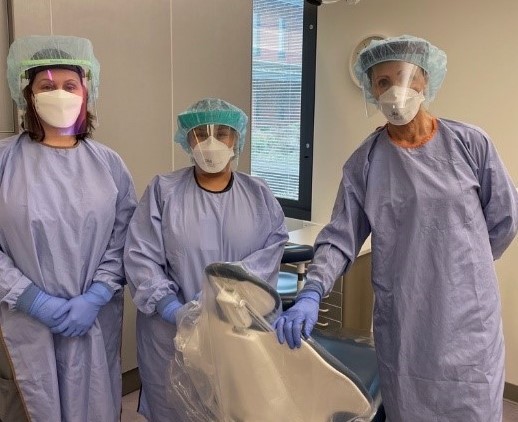
OSH dental assistants Trisha W., Julia O. and Rosaleen K.
Perhaps the most important job of a dental assistant at Oregon State Hospital (OSH) is to build trust.
“We have to realize that some patients at our hospital might not ever, in their life, have had any dental work before coming to our clinic, and I want them to have the best experience,” said Trisha, a dental assistant who started at OSH in September 2021.
For Dental Assistants Recognition Week, we give a shout out to OSH dental assistants Trisha, Julia, and Rosaleen, who support the clinic’s dentists, schedule patient appointments, clean and prepare instruments and provide chairside assistance to ensure patients receive the best care.
Rosaleen came to OSH from the private sector more than six years ago, drawn by her desire to help others.
One of most gratifying things for dental assistants at OSH is knowing they’re helping relieve pain so patients can better focus on their other treatment goals.
“The work we do is so important, and it has a great impact on our patients’ overall treatment,” said Julia, who also provides support as needed in Junction City. She celebrates her one-year service anniversary at OSH this month.
The OSH dental clinic provides exams, extractions, dental restorations, root canal treatment, fillings, adjustments to dental prosthetics as needed, and referrals to labs and other providers. The dental assistants support the dentists during these types of procedures.
We thank the OSH dental assistants for their dedication to supporting patients in their recovery. If you bump into any dental assistant this week or any time of year, please remind them they are appreciated.
|
|
|
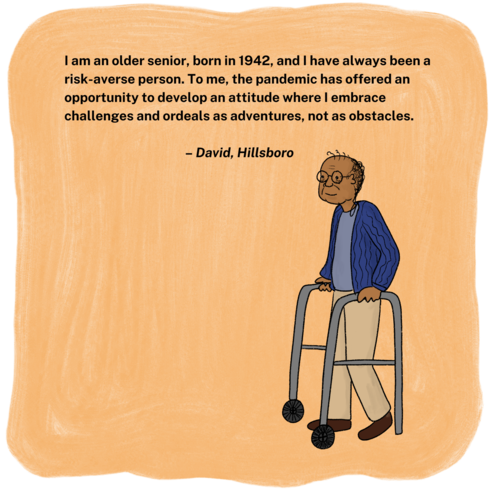
Read our blog about how the pandemic has changed people and society.
|
|
 |
|
Health notes |
|
|
|
During OHA’s monthly COVID-19 press briefing today, OHA’s health officer and state epidemiologist Dr. Dean Sidelinger reported continued positive trends.
“As we prepare to move into spring in the next couple weeks, my sense of optimism is growing,” Sidelinger said. “We have made it through the worst respiratory virus surge this state has ever seen, and conditions with COVID-19, RSV and influenza are better overall than they’ve been in a long time.”
Key takeaways from today’s press conference include:
- Hospitalizations for COVID-19, RSV and influenza in Oregon are dropping overall, but hospitals remain strained by staffing shortages. On March 1, Oregon’s COVID-19-related hospitalizations were at 232, and yesterday they were at 229.
- Test positivity for respiratory viruses is trending downward. As of yesterday, COVID-19 test positivity is at 9.6%, influenza test positivity is at 0.3% and RSV rates are low enough to declare RSV season over.
- After OHA’s statewide mask requirement in health care settings ends April 3, we encourage those with chronic conditions or compromised immune systems to consider taking steps to protect themselves. This also applies to caretakers and household members of people with these conditions.
- If you haven’t gotten your updated COVID-19 booster, please get it. If you haven’t had your seasonal flu shot, it’s not too late. To find a vaccine or booster, go to Vaccines.gov or call 211.
Dr. Sidelinger acknowledged that his positive outlook may not be felt by everyone.
“To those who have experienced – and continue to face - the challenges of a COVID-19 infection, battled long-term symptoms, cared for ill family members or are mourning the loss of a loved one, I know you have suffered, and I share in your worry, your grief and your sorrow,” he said.
OHA’s monthly COVID-19 media briefing in April will be the final regularly scheduled briefing. We will remain flexible and ready to restart these briefings as conditions with COVID-19 and other respiratory viruses dictate.
The following monthly COVID-19 data were updated this week.
Last week’s newsletter introduced OHA’s new behavioral health director, Ebony Clarke. We mistakenly identified her most recent role with the Multnomah County Health Department. Clarke served as the health department director. We regret the error.
|
|
 |
|
OHA answers your questions |
|
|
|
Dr. Dean Sidelinger, OHA state health officer and state epidemiologist, and Bill Messer, M.D., Ph.D., Oregon Health & Science University (OHSU), answered today’s questions.
Q: I just got the alert about the state lifting the mask mandate for health care settings, but it doesn't mention nursing homes. Will masks still be required in nursing homes and other congregate care settings? - Jen, Portland
A: “Generally speaking, no. Nursing homes and other congregate care settings fall into the category of health care settings with regards to OHA’s statewide mask requirement. Please note that an individual health care facility may continue to require masking for a variety of reasons, but starting April 3, the statewide masking requirement implemented by OHA for health care settings, including nursing homes, will no longer be in effect.”
Q: After three years and several known potential exposures, I have yet to manifest symptoms or test positive for COVID-19. Likely, I've been very lucky and will eventually be infected, or perhaps I am an asymptomatic carrier and have just not tested in the moment I was infected, or... I may be immune? I wonder whether and how people can volunteer to participate in research of those who have not yet tested positive for COVID-19? – Zoe, Portland
A: “In December we published this blog about so-called ‘super dodgers’—people who have never tested positive for COVID-19—which includes comments from Dr. Bill Messer at OHSU. We passed your question on to Dr. Messer, and here’s his answer:
“‘We don’t have immediate plans to recruit participants for a ‘super-dodger’ study at OHSU, but we and other scientists are interested in understanding how and why some people are seemingly able to avoid COVID-19 despite repeated exposures. Researchers at Rockefeller University are seeking to understand exactly that, and they are currently accepting applicants to participate in their study, either in person or remotely. Suffice to say, we will be keenly interested in learning more as the science around SARS-CoV-2 continues to evolve.’”
If you have questions about COVID-19 or other public health topics, submit your question here. While we are unable to answer every question, we try to address questions that may be of interest to a broader audience. Please understand we are unable to provide specific medical advice for personal medical conditions.
|
|
If you need mental health support for any reason, help is out there.
|
|
 |
|
|
|
|
|