|
For providers wishing to provide COVID treatments, the Provider Operations Manual - Therapeutics offers information about Oregon’s allocation strategy and instructions for ordering, among additional resources.
A clinical summary of therapeutic options can be found here, with OHA’s websites for antibody treatments here and antivirals here. Please share with your providers.
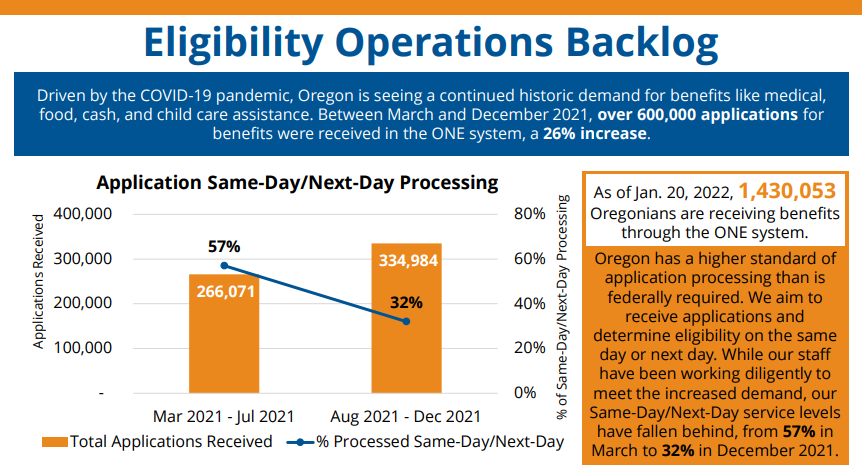 ODHS has published a new dashboard for OHP Eligibility backlog information. The dashboard will be updated every Friday. Click the image to see the current dashboard or find the link at the bottom of the Oregon Benefits homepage.
Oregon Health Authority’s Health Policy and Analytics Clinical Supports, Integration, and Workforce unit; Delivery Systems Information Healthy Oregon Workforce Opportunity Grant Program (HOWTO) Round 4
The State of Oregon is committed to all Oregonians having the opportunity for optimal health. As part of that, it is important to ensure that the distribution of the health care workforce appropriately meets the needs of all Oregonians and is reflective of the communities being served. To help advance this goal, the Oregon Health Authority and Oregon Health & Science University have dedicated approximately $10 million over the 2021-23 biennium for the Healthy Oregon Workforce Training Opportunity Grant Program (“HOWTO Grant Program” or “program”). This grant program is being administered under the direction of the Oregon Health Policy Board and in partnership with the Oregon Health Authority and Oregon Health & Science University (OHSU). Up to $8 million will be awarded in this round, with Up to $3 million of that designated to support community-based organizations applying for projects requesting under $300,000. We encourage programs to apply for the amount appropriate for the project. No single award will be made in excess of $1 million.
Registration is required in the OregonBuys System at https://oregonbuys.gov/bso/ in order to submit a proposal response to the RFGP OregonBuys Number S-44300-00001806. The RFGP document(s) will not be mailed to prospective Applicants, and this is the only notification that will be sent. OHA shall advertise all addenda in OregonBuys. Prospective Applicant is solely responsible for checking Oregon Buys to determine whether or not any addenda have been issued. Do not reply to this email, for further information you must follow the instructions in the RFGP and go through the single point of contact as appropriate.
For OregonBuys account registration and technical support, email support.oregonbuys@oregon.gov or call 1-855-800-5046. Additional registration guidance can be found at the following links.
Registration Quick Step Guide:
https://www.oregon.gov/das/ORBuys/Documents/SupplierRegistrationQuickSteps.pdf
Full Registration Instructions:
https://www.periscopeholdings.com/assets/uploads/misc/OregonBuys_RegistrationGuide.pdf
The Oregon Health Authority has become aware that some individuals needing to fill prescriptions for buprenorphine, an FDA-approved medication for opioid use disorder sold under the brand names Subutex and Suboxone, may be facing increased access barriers. This is primarily because their pharmacy has run out of supply. This is not a manufacturing supply chain issue, but rather a pharmacy access and client access issue.
Buprenorphine is an opioid partial agonist that produces effects such as euphoria or respiratory depression at low to moderate doses. However, these effects are weaker than full opioid agonists such as methadone and heroin, making buprenorphine a lower diversion risk.
The sustained, alarming increase in overdose deaths in recent years has highlighted the need for more accessible treatment services, and studies have shown that medication-based treatment promotes long-term recovery from opioid use disorder.
Implications on health of individuals and health care:
- The inability to refill buprenorphine could result in clients going to emergency departments or accessing emergency medical services while in opiate withdrawal, or after an overdose.
- Individuals may also be at a greater risk for turning to illicit opioids to reduce withdrawal symptoms and increases their risk of overdose. Overdose risk is drastically increased by the increasing availability of illicitly manufactured fentanyl, often found in counterfeit pills.
We ask our partners to remain particularly vigilant during this time that barriers to buprenorphine may increase the potential for drug overdose.
Naloxone, also known as Narcan, is a drug that can reverse an opioid overdose. If you would like to become familiar with how to access naloxone in your community, please reach out to Erin Porter (erin.porter@dpsst.oregon.gov).
Factors contributing to access barriers, and areas with potential for pronounced effects:
- The DEA has communicated that they will have heightened scrutiny on “large” orders of opioids from pharmacies and pharmacy chains. This communication did not explicitly exclude buprenorphine for opioid use disorder. This has resulted in manufacturers limiting the amount of buprenorphine sent to pharmacies.
- With the closure of BiMart pharmacies, the number of pharmacies in some counties, and for some CCO pharmacy networks, has significantly reduced.
- Based on what we know about the pharmacy closures, we anticipate that patients seeking buprenorphine in the following counties may face the highest barriers to access: Lane, Umatilla, Deschutes, Douglas, Baker, Jackson, Coos, Linn, Marion, Klamath and Union.
Steps being taken to address the issue:
- OHA is in conversation with the US Drug Enforcement Administration (DEA) and Substance Abuse and Mental Health Services Administration (SAMHSA).
- OHA is exploring purchasing options to help get buprenorphine to pharmacies.
- OHA is working with CCOs to address the pharmacy network barriers.
- OHA is making naloxone more readily available through the Save Lives Oregon website.
- OHA has created a summary of overdose-related services & projects by county.
For treatment providers, if you are concerned your clients may be at risk of relapse or overdose:
- Talk with them about creating a plan to reduce their risk of relapse. Remind them that relapse doesn’t mean they have failed.
- Talk to your local pharmacies and treatment providers to help ensure that naloxone is available.
- If you or someone you know uses illicit opioids, remember to have naloxone on hand, don’t use alone, and use slowly (you can always use more drugs, but you can’t use less).
- Research available harm reduction services in your area and refer client as necessary.
- Consider reaching out to the nearest outpatient opioid treatment program (OTP) to help clients access crucial medications.
Oregon Health Authority (OHA) is seeking applicants to serve on the Crisis system Advisory Workgroup (CSAW) Steering Committee. In July 2021, the Oregon Legislature passed House Bill 2417. The goal of the legislation is to implement an enhanced behavioral health crisis response system in Oregon with the dawn of 988 as the 3-digit phone number to seek behavioral health crisis services. The CSAW committee will lead the initiative’s work to make recommendations to OHA on how to design this system so communities experience behavioral health crisis response the way it fits the need of Oregonians. OHA will provide technical, logistical and all other necessary supports to the committee.
People with lived experience of behavioral health needs and people from communities disproportionately impacted by health inequities will be central to this work and are eagerly encouraged to apply. Members of the committee will serve for at least two years. OHA invites applications from people who represent the following perspectives:
- People who identify as behavioral health consumers and/or have lived experience with mental health or addiction related needs. This includes adults, youth, and young adults ages 16-25, and parents or caregivers of youth under age 16.
- People who identify as members of communities disproportionately impacted by health inequities.
- Communities who have experienced the inadvertent impact of an inappropriate response to BH due to historical and systemic social injustice.
- Individuals and families who have used BH crisis system services.
- Individuals and/or family members / caregivers of individuals with disability who may have sought BH crisis services.
Applications due February 28, 2022.
A team at OHA will review applications and inform applicants of appointments by March 30, 2022. The application can be found here: https://forms.office.com/g/mzR2QcU51U.
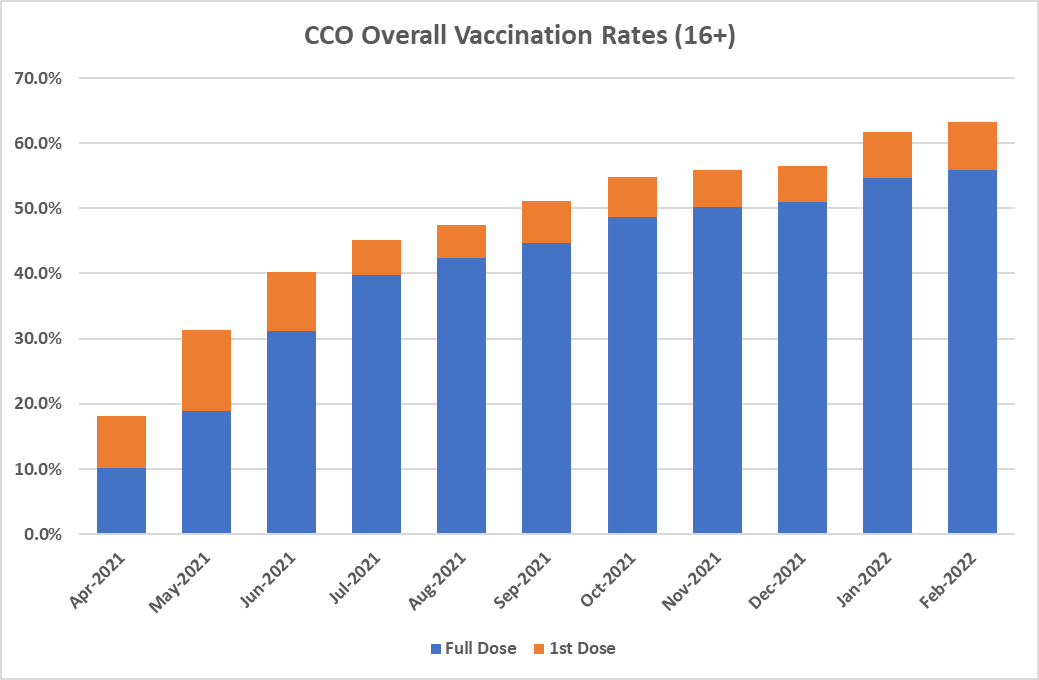
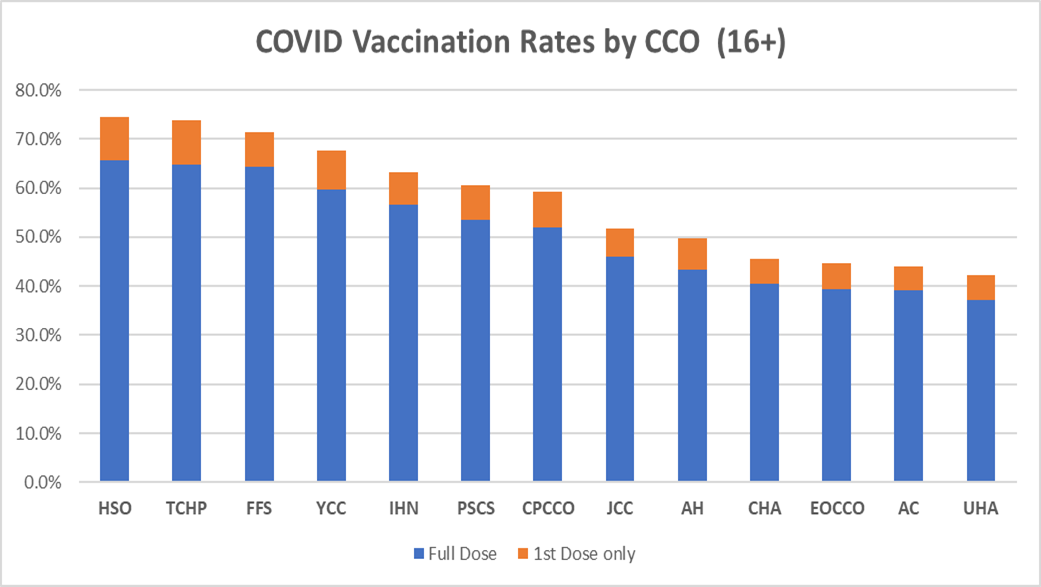
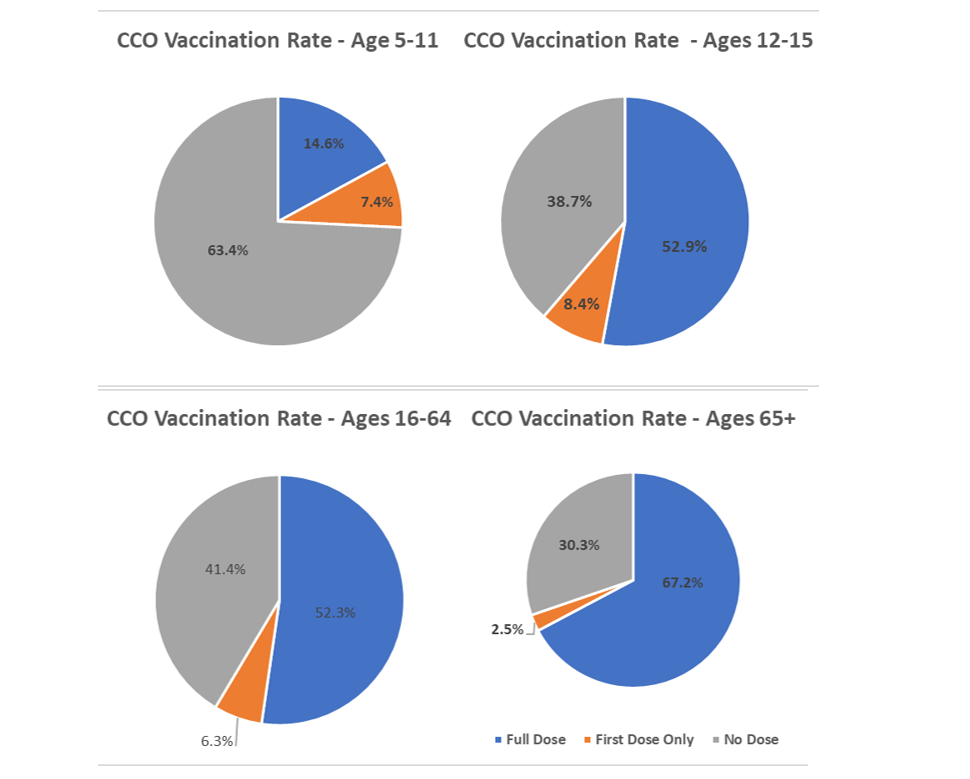
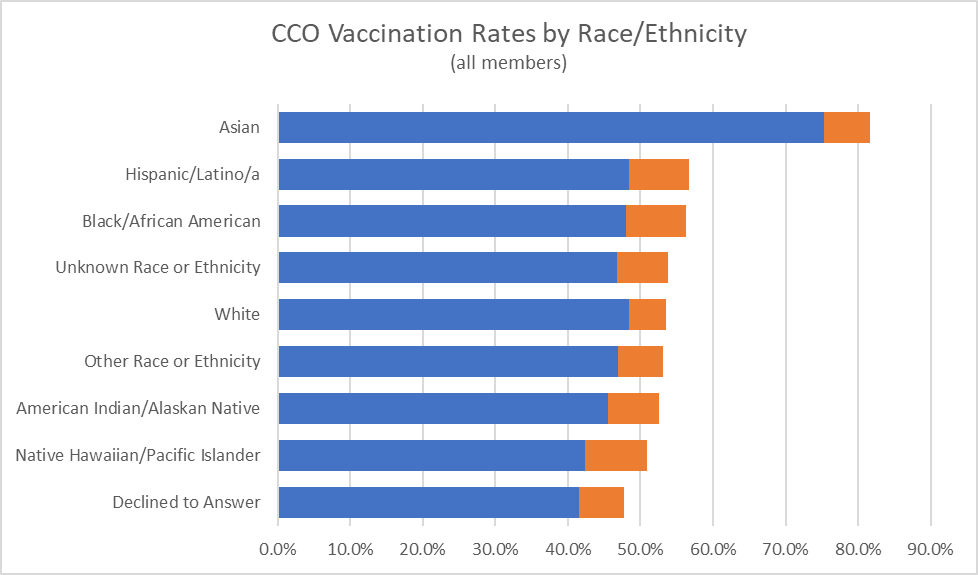
Rates as of 02/02/2022
Monday, February 7, 2022 - 10 a.m. to 12 p.m. - Oregon Health Policy Board’s Behavioral Health Committee
Thursday, February 17, 2022 - 2:00-5:00 pm - Public Health Advisory Board
Please visit the committee and workgroup links below for more information about meetings. You can also view the OHA Public Meeting calendar.
|