|
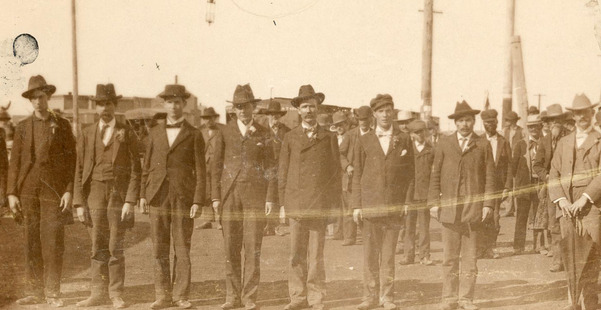
Cherokee Strip Historical Society Annual Meeting and Oklahoma Rough Riders program |
|
|
THIS SATURDAY!!
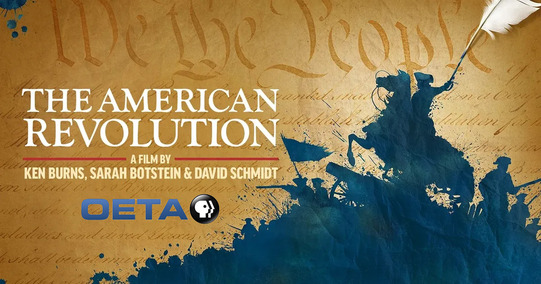
The American Revolution: An OETA Special Screening and Panel, 10:30 a.m. to 12:30 p.m.
|
|
|
On Saturday, February 28, join OETA and the Oklahoma Historical Society for a special screening of The American Revolution by Ken Burns, Sarah Botstein, and David Schmidt. The screening and panel will take place from 10:30 a.m. to 12:30 p.m. at the Oklahoma History Center.
See a powerful segment highlighting the struggles and contributions of soldiers, women, and Native and African American allies. The screening will be followed by a panel of experts.
|
|
History Alive: President Thomas Jefferson and America250
|
|
 This program is part of By the People: Conversations Beyond 250, which is a series of community-driven programs created by humanities councils across the United States, its territories, and the District of Columbia in collaboration with local partners. Together, these programs explore 250 years of the nation’s cultural life and imagine its shared future. The initiative was developed by the Federation of State Humanities Councils and the Smithsonian Center for Folklife and Cultural Heritage as a complement to the 2026 Smithsonian Folklife Festival.
|
|
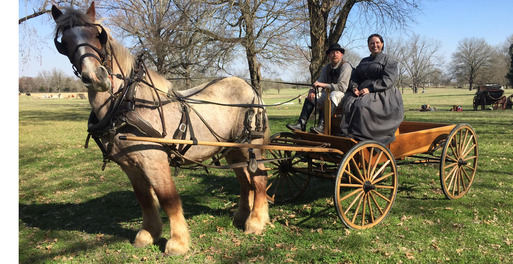
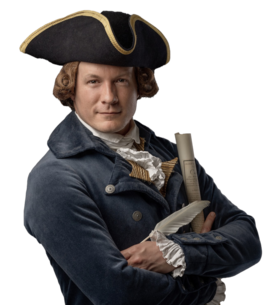
To mark the 250th anniversary of the Declaration of Independence, Colonial Williamsburg’s Thomas Jefferson interpreter Kurt Smith will take the stage in two separate evening performances at the Oklahoma History Center on Monday, March 2, and again on Tuesday, March 3. Each performance will take place at 6 p.m.
Portraying Jefferson is Kurt Smith, a dynamic storyteller and historian. Known for his in-depth knowledge of early American history, Smith brings the founding era to life.
Tickets are $10 for Oklahoma Historical Society members and $20 for the general public. Tickets can be purchased online through the Museum Store, by phone at 405-522-0765 or at the door on the evening of the event.
|
|
This program is funded in part by Oklahoma Humanities (OH) and the National Endowment for the Humanities (NEH). Any views, findings, conclusions or recommendations expressed in the program do not necessarily represent those of OH or NEH. |
|
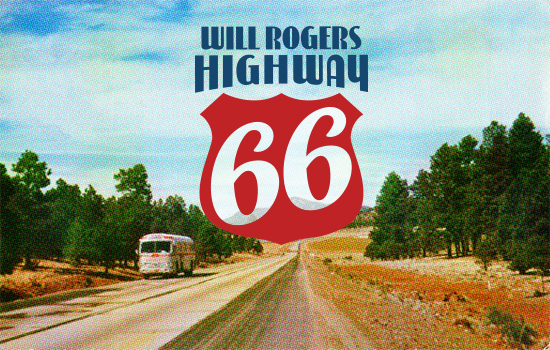
Will Rogers Highway: Route 66 exhibit |
|
|
On Friday, February 27, the Will Rogers Memorial Museum will open a dynamic new exhibit on US Route 66. With its vibrant imagery, rare artifacts, and authentic memorabilia, it immerses visitors in the highway’s unique history and cultural legacy.
The opening of this exhibit will coincide with Movie Night featuring the Disney/Pixar film Cars, held at the Will Rogers Memorial Museum on the evening of the exhibit opening. Special guests Michael Wallis, the voice of the sheriff in Cars, and Ken Busby, executive director of the Route 66 Alliance, will be present to discuss the highway and the making of the film. Admission is free!
|
|
Living History Education Day |
|
|
The Fort Towson Historic Site will host a full day of of educational experiences on Thursday, March 5, the site will bring history to life with a FREE Living History Education Day. It will teach what life was like at Fort Towson more than 180 years ago, offering multiple learning experiences about life at the military outpost during the 1840s, when it served as a vital resupply point for soldiers headed south to engage in the Mexican-American War.
Groups need to register before the event. For more information about the events or to register for Living History Education Day, call 580-236-0537 or email fttowson@history.ok.gov.
|
|
Historians Hall of Fame inductee
Timothy A. Zwink
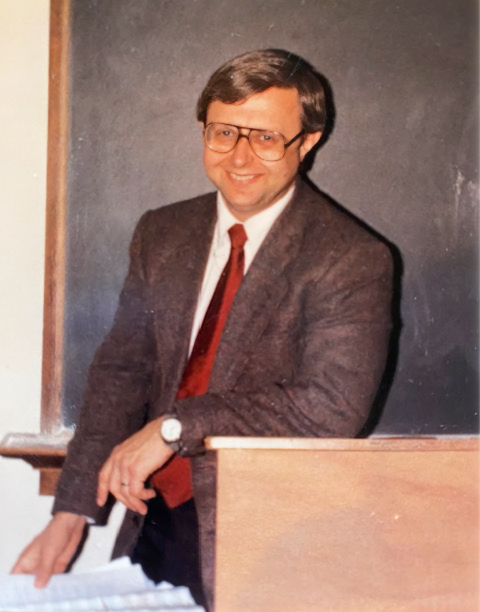
Timothy A. Zwink earned a PhD in history from Oklahoma State University in 1980. He would spend much of his professional career as an Oklahoma historian and administrator in higher education and for the OHS. Dr. Zwink joined the faculty at Northwestern Oklahoma State University (NWOSU) in Alva after completing graduate work, where he taught US and American Indian history. While at NWOSU, Dr. Zwink conducted research and developed public programs about Camp Alva, a German prisoner of war camp during World War II. He joined the OHS in 2002 after serving for over a decade as Vice President for Academic Affairs at NWOSU. As Associate Director of Development, Dr. Zwink’s skills as a grant writer directly contributed to the OHS securing the final funding necessary to complete construction of the Oklahoma History Center. He retired from the OHS in 2016 as the agency’s deputy executive director and continues to work as an editorial consultant for books about Oklahoma history.
|
|
|
Oklahoma Historical Society Awards Banquet |
|
|
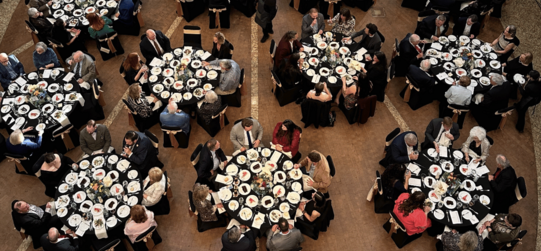
On Thursday, March 19, the Oklahoma Historical Society will honor award recipients and Oklahoma Historians Hall of Fame inductees at our annual Awards Banquet. This event is held at the Oklahoma History Center, located at 800 Nazih Zuhdi Drive in Oklahoma City. There will be a cocktail reception at 6 p.m. The dinner and program will begin at 6:30 p.m. Cocktail attire is requested, and guests are asked to RSVP by March 9.
|
|
|
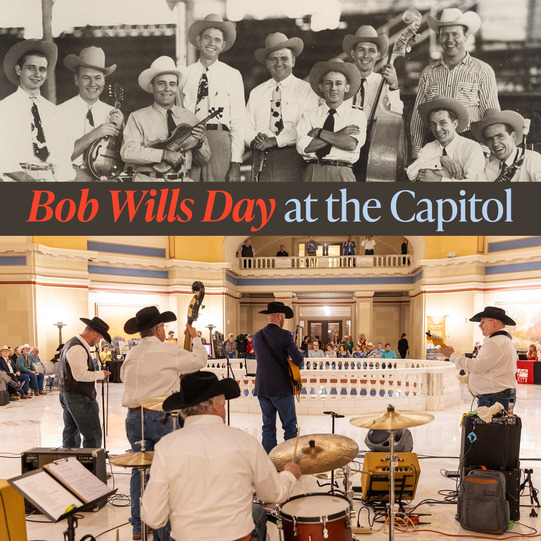
Join in a special celebration of the “King of Western Swing,” Bob Wills, as the Oklahoma Historical Society and the Oklahoma Arts Council come together for a fun-filled day on Monday, March 9! Swing by the Capitol’s second-floor rotunda from 10 a.m. to 4:15 p.m. on Bob Wills Day at the Capitol to hear great live music performances. The event will honor the life and legacy of this iconic musician, songwriter, and bandleader.
|
|
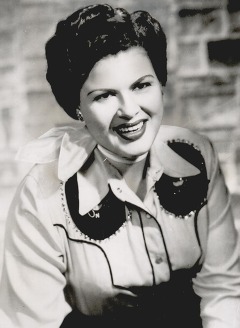
A Tribute to the Queen of Country - Patsy Cline
On Friday, March 6, at 7 p.m., the Will Rogers Memorial Museum will host a tribute concert of Patsy Cline’s timeless music.
The evening features a tribute performance by Elizabeth, a versatile artist recognized for her dynamic stage presence and vocal skill as she channels country music’s most iconic leading lady.
Tickets: $10 general and $5 for museum members. Free for children with an adult purchase.
|
|
2026 People with Disabilities Awareness Day
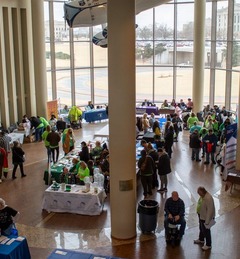
On Tuesday, March 10, from 12:00 p.m. to 4:30 p.m., the Oklahoma Department of Rehabilitation Services will host the 2026 People with Disabilities Awareness Day event at the Oklahoma History Center.
The day is dedicated to raising awareness and celebrating the abilities of people with disabilities in 2026. The public is invited to come together to learn, share experiences, and celebrate the strength and resilience of the disability community.
|
|
|
FREE WEBINAR
“The History We Know vs. The History They See: Editing Wikipedia for Women’s Stories” webinar
The State Historic Preservation Office (SHPO) will host a free Lunch and Learn webinar on Thursday, March 19, from 12:00 to 1:15 p.m. Central Time, exploring the current gender gap on Wikipedia.
|
|
World War I: Lessons and Legacies exhibit opens
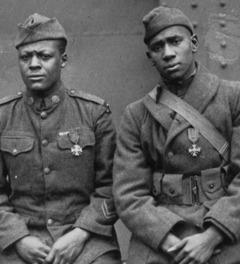
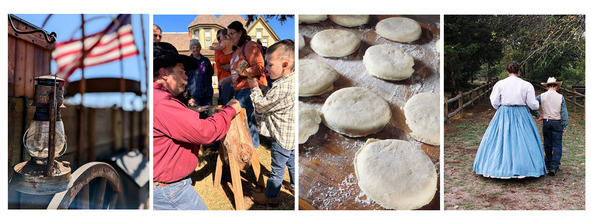
On Tuesday, March 3, the Cherokee Strip Museum and Rose Hill School will open a Smithsonian poster exhibition, World War I: Lessons and Legacies, in the Jirous Gallery Room.
World War I: Lessons and Legacies is organized by the Smithsonian Institution Traveling Exhibition Service and the National Museum of American History, in cooperation with the U.S. World War I Centennial Commission.
|
|
|
Follow the OHS website calendar to learn about our events and programs at OHS museums and historic sites across the state! Our calendar constantly changes with the latest programs and activities, from seasonal events to celebrations, exhibits, films, educational classes, and workshops.
|
|
|
Connect with the Oklahoma Historical Society (OHS) on social media—where you can learn more about Oklahoma history and get up-to-date information about events and exhibits across the state!
|
|
|
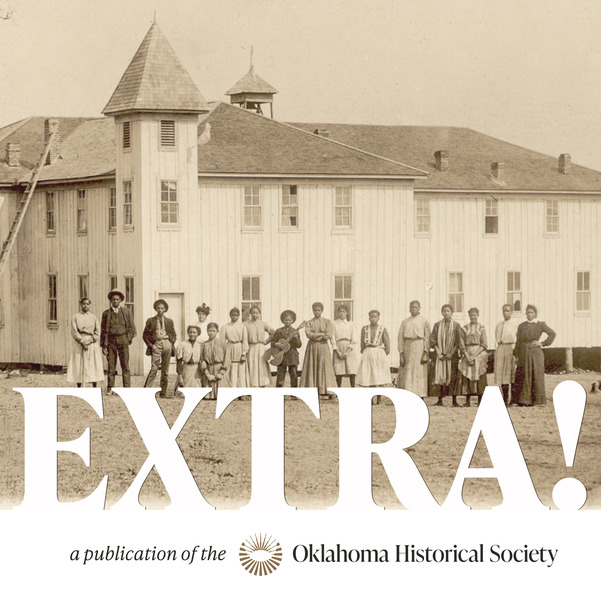
Masthead image:
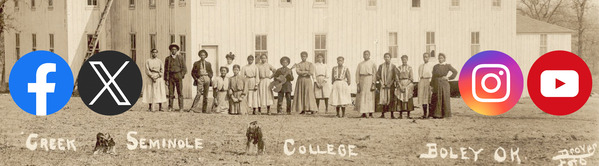
Black teachers and students stand in front of the Creek Seminole College, Boley (3377.E, Oklahoma Historical Society Photograph Collection, OHS).
About All-Black Towns
All-Black towns first emerged in Indian Territory after the Civil War, when Freedmen (those formerly enslaved by the Five Tribes) settled together for mutual protection and economic security. Amid the forced subdivision of tribal lands into individually owned parcels, a process known as allotment, many Freedmen selected allotments next to each other. African Americans also migrated to Oklahoma Territory to participate in the Land Run of 1889 and other land openings. E. P. McCabe, who helped found the All-Black town of Langston, urged thousands of African Americans to participate in the land runs. The creation of All-Black towns represented an attempt to achieve individual, economic, and social advancement amid a racially segregated society.
All-Black towns represent townsites that were established by African Americans and communities where local governments and key positions such as federal postmaster were controlled by Black officials. Some towns existed for only a short period while others remain incorporated today.
|
|
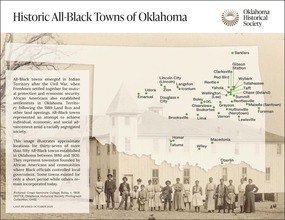
View the All-Black Towns map of Oklahoma, created by the OHS. It illustrates the approximate locations of a range of All-Black towns established in Oklahoma between 1880 and 1920. |
|
|
|
|