|
|
FUN FOR THE WHOLE FAMILY
Oklahoma History Center Open House: “We Heart Museums”
|
|
|
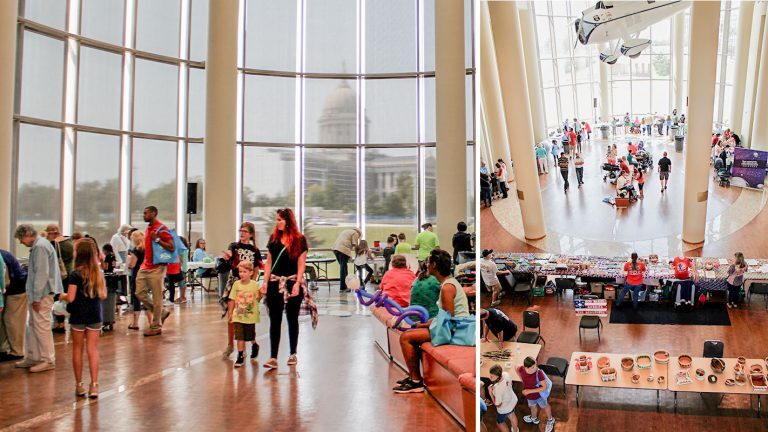
The public is welcome to a special February open house at the Oklahoma History Center Museum (OHCM) on Thursday, February 12, from 5 to 7 p.m. for a unique after-hours experience at the museum where visitors of all ages can explore exhibits in a relaxed, extended setting. Families and adults alike can participate in interactive activities, games, and a scavenger hunt that reveal the inner workings of museums and highlight the rich resources offered by OHCM. See the museum in a new light, learn fascinating facts, and make the most of an evening full of discovery, fun, and learning.
|
|
A Very OK Podcast LIVE: Oklahoma's Favorite Son |
|
|
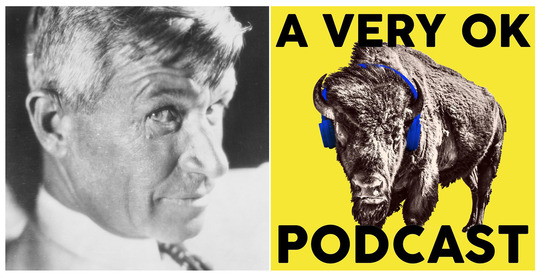
On Thursday, February 12, at 6 p.m., join your favorite podcast hosts, Trait Thompson and Dr. Bob Blackburn, at the Will Rogers Memorial Museum for a special live recording of A Very OK Podcast.
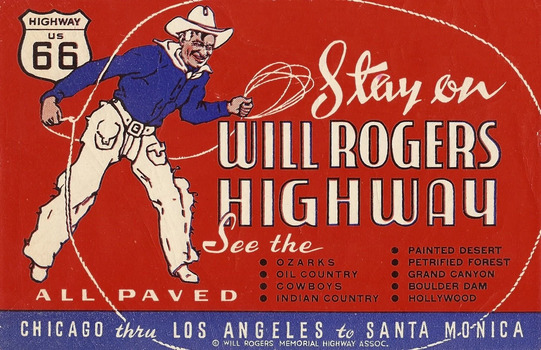
The topic for this on-the-road episode is Oklahoma’s favorite son, Will Rogers. They will be discussing his life growing up in the Cherokee Nation, as well as his rise to stardom through vaudeville and motion pictures, his family life, and more! The episode will also feature the history of Will’s connection to Route 66—the Will Rogers Highway. Special guests for this episode are Tad Jones, director of the Will Rogers Memorial Museum, and Jennifer Rogers, Will’s great-granddaughter.
Admission to this event is free, and refreshments will be generously provided by the Will Rogers Memorial Foundation. Don’t miss this unique opportunity—mark your calendar and join in an engaging evening celebrating Will Rogers!
|
|
Kilgen Theatre Organ performance featuring the silent film Safety Last (1923) with Brett Miller |
|
|
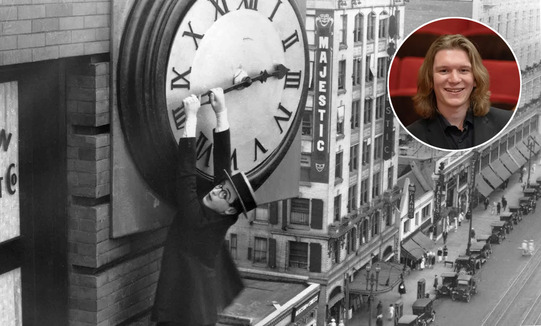
On Monday, February 23, from 7 to 8:30 p.m., a Kilgen Theatre Organ performance will be held in the Devon Great Hall at the Oklahoma History Center featuring organist Brett Miller accompanying the Harold Lloyd silent film Safety Last (1923). The film is best known for a stunt that made cinematic history, in which Lloyd is filmed hanging precariously from the hands of a large clock, dangling over city traffic at the height of a skyscraper.
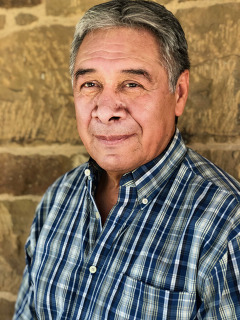
Brett Miller (pictured above) is an active organist, conductor, and arranger specializing in the art of silent film accompaniment. Tickets are $10 for Oklahoma Historical Society members and $20 for the general public and are available by calling 405-522-0765.
|
|
Will Rogers Highway: Route 66 exhibit opening and Disney/Pixar Cars animated film screening |
|
|
A dynamic new exhibit on US Route 66 opens on Friday, February 27, at the Will Rogers Memorial Museum in Claremore. Visitors will be immersed in the highway’s unique history and cultural legacy, told through vibrant imagery, rare artifacts, and authentic memorabilia.
In the 1930s, people wanted to rename the highway for Will Rogers who enjoyed national fame. After he died in 1935, efforts to honor him grew, and the US Highway Association designated Route 66 as “Will Rogers Highway” later that year.
The opening of this exhibit will coincide with Movie Night featuring the Disney/Pixar film Cars, held at the Will Rogers Memorial Museum on the evening of the exhibit opening.
|
|
Make-and-Take Vintage Valentines
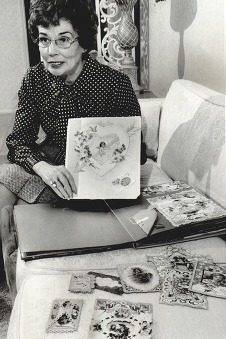
On Saturday, February 14, from 1:00 to 4:00 p.m., the Oklahoma Territorial Museum and Carnegie Library will host a Victorian Valentine crafting program, where participants can make and take a handmade Valentine’s Day card for their sweetheart.
Searching for a fun way to celebrate Valentine’s Day? Bring your Valentine to the Oklahoma Territorial Museum and Historic Carnegie Library in Guthrie and tap into your creativity.
|
|
Step back in time every month
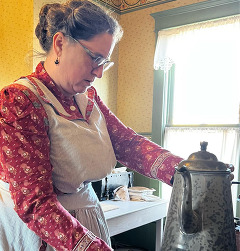
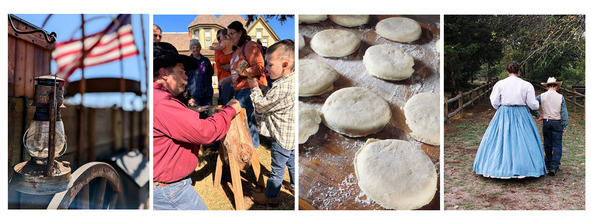
History Alive! on the Cherokee Strip in a living history event that takes place throughout the year on the first and third Saturday of each month from 11 a.m. to 3 p.m. The five historic buildings in the Humphrey Heritage Village of the Cherokee Strip Regional Heritage Center, dating back to the territorial era, come to life with living history interpreters dressed in period clothing from the late 1800s.
|
|
Oklahoma Farm-to-Table Festival
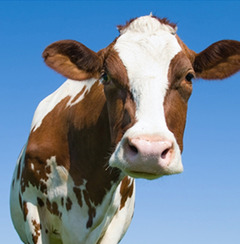
The Oklahoma History Center will hold the 2026 Oklahoma Farm-to-Table Festival on Saturday, March 21, from 10 a.m. to 3 p.m. The free, family-friendly event will encourage the exploration of historic and modern agriculture. There will be hands-on activities and demonstrations for visitors of all ages.
|
|
Would your organization like to participate?
The Oklahoma History Center invites organizations to participate in the Oklahoma Farm-to-Table Festival, where attendees explore historic perspectives, farm life, and how food gets to our table. Families will experience perspectives from Colonial America to the modern day with hands-on activities for visitors of all ages. Applications will be accepted through March 1, with selections being made by March 6.
|
|
2026 Oklahoma Historians Hall of Fame inductee
Donald L. Fixico
Donald L. Fixico (Muscogee Creek, Seminole, Shawnee, Sac and Fox,) is a Regents’ and Distinguished Professor of History; Distinguished Scholar of Sustainability; and Affiliate Faculty of American Indian Studies at Arizona State University. He was born in Shawnee and graduated from Muskogee Central High School. A first-generation college graduate, Fixico attended Bacone College before transferring to the University of Oklahoma, where he earned a bachelor’s degree, master’s degree, and PhD in history. He is author and editor of over twenty books on the American West and American Indian history.
|
|
Oklahoma Historical Society Awards Banquet
On Thursday, March 19, the Oklahoma Historical Society will honor award recipients and Oklahoma Historians Hall of Fame inductees at our annual Awards Banquet. This event is held at the Oklahoma History Center, located at 800 Nazih Zuhdi Drive in Oklahoma City. There will be a cocktail reception at 6 p.m. The dinner and program will begin at 6:30 p.m. Cocktail attire is requested, and guests are asked to RSVP by March 9.
|
|
Follow the OHS website calendar to learn about our events and programs at OHS museums and historic sites across the state! Our calendar constantly changes with the latest programs and activities, from seasonal events to celebrations, exhibits, films, educational classes, and workshops. |
|
|
Connect with the Oklahoma Historical Society on social media—where you can learn more about Oklahoma history and get up-to-date information about events and exhibits across the state!
|
|
|
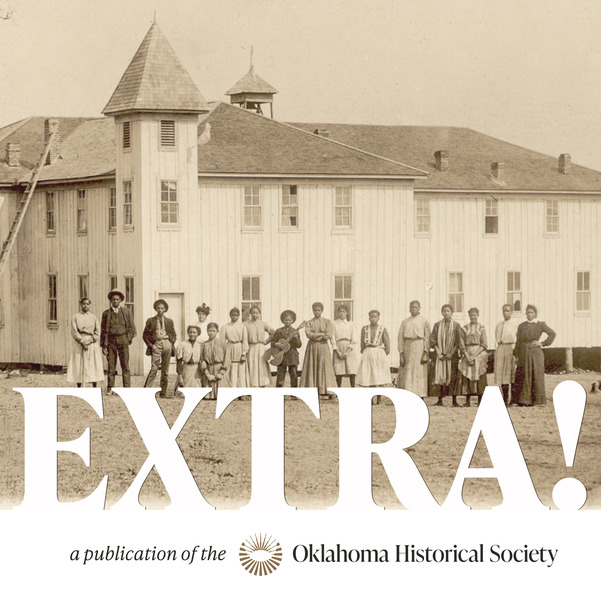
Masthead image:
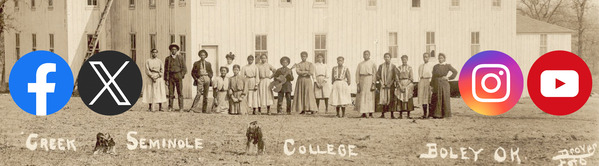
Black teachers and students stand in front of the Creek Seminole College, Boley (3377.E, Oklahoma Historical Society Photograph Collection, OHS).
About All-Black Towns
All-Black towns first emerged in Indian Territory after the Civil War, when Freedmen (those formerly enslaved by the Five Tribes) settled together for mutual protection and economic security. Amid the forced subdivision of tribal lands into individually owned parcels, a process known as allotment, many Freedmen selected allotments next to each other. African Americans also migrated to Oklahoma Territory to participate in the Land Run of 1889 and other land openings. E. P. McCabe, who helped found the All-Black town of Langston, urged thousands of African Americans to participate in the land runs. The creation of All-Black towns represented an attempt to achieve individual, economic, and social advancement amid a racially segregated society.
All-Black towns represent townsites that were established by African Americans and communities where local governments and key positions such as federal postmaster were controlled by Black officials. Some towns existed for only a short period while others remain incorporated today.
|
|
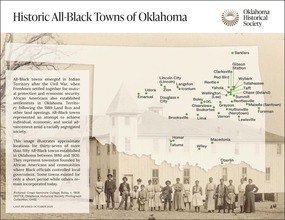
View the All-Black Towns map of Oklahoma, created by the OHS. It illustrates the approximate locations of a range of All-Black towns established in Oklahoma between 1880 and 1920. |
|
|
|
|