|
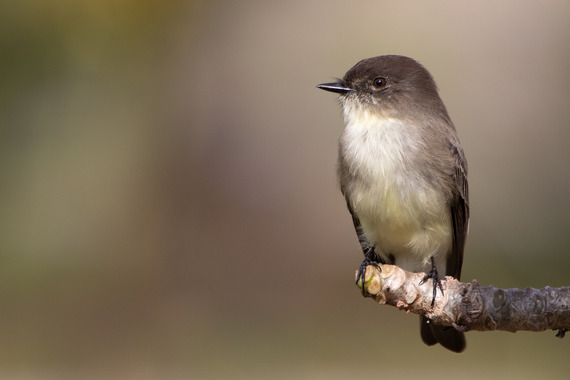 Eastern phoebe 📷 Dennis Church CC BY-NC-ND 2.0
|
|
Nature Enthusiast Uses Birds to Mark the Seasons |
|
When Betsey York lived in northern Illinois, her sense of seasons was tied to the weather and the trees. After moving to Texas and then Oklahoma, the passage of seasons was less stark, leaving her wanting for another clear frame of reference. Now, she ties the seasons to the migration of birds through or to her Oklahoma City backyard. |
|
|
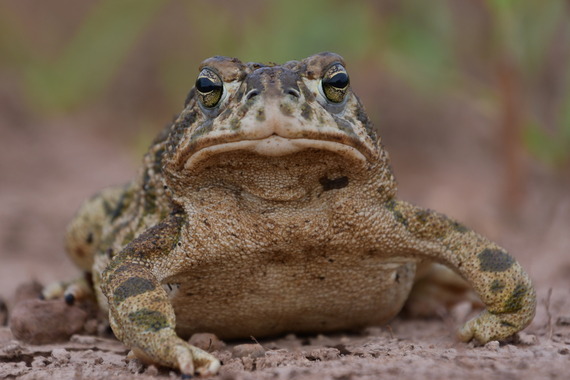
After months underground, the Great Plains toad and other amphibians are beginning to emerge! These large toads are found across Western Oklahoma and are far from fair-weather friends. Instead, they’re most active during rainy periods. Adult males may begin calling on warm spring nights and continue through summer, especially after rains.
Great Plains toads can grow to four inches in length and have a prominent bump or “boss” on the head. Two V-shaped ridges meet between and just behind the eyes and dark green blotches cover the head, back, and legs.
|
|
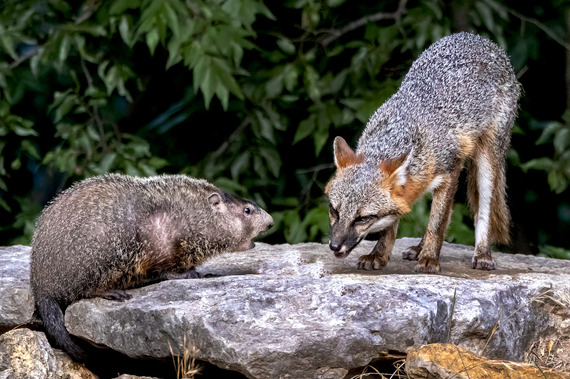 A groundhog and gray fox face off in an Owasso wildscape. 📷 Terry Brunholtz
|
|
|
As spring heats up, so too can backyard rivalries for food, nesting spots, and space. Take time to prepare for potential conflicts (or remember last year’s issues) before they turn into this year’s headache.
Feeder Feuds: Should your feeder become overrun with unwanted squirrels or blackbirds, consider switching the location or food offerings. If the problem persists – or black bears are a factor – it may be time to temporarily shut down a feeding station (and keep all pet food indoors).
Nest Box Wars: Bluebirds and chickadees have likely staked an early claim on man-made nest boxes, but nonnative species like starlings and house sparrows may try to move on in. Take a peek into vacant and occupied boxes every few days to check on the nesting progress and remove any starling or sparrow nest materials before they take hold. *If wasps are the unwanted tenant, a thin layer of Vaseline on the inside roof can discourage nest building and leave the box available for cavity nesting songbirds.
|
|
|
|