ODWC Activates CWD Response Plan After Diseased Deer Found Within Miles of Oklahoma Border
Oklahoma Department of Wildlife Conservation sent this bulletin at 12/19/2025 03:46 PM CST
|

|
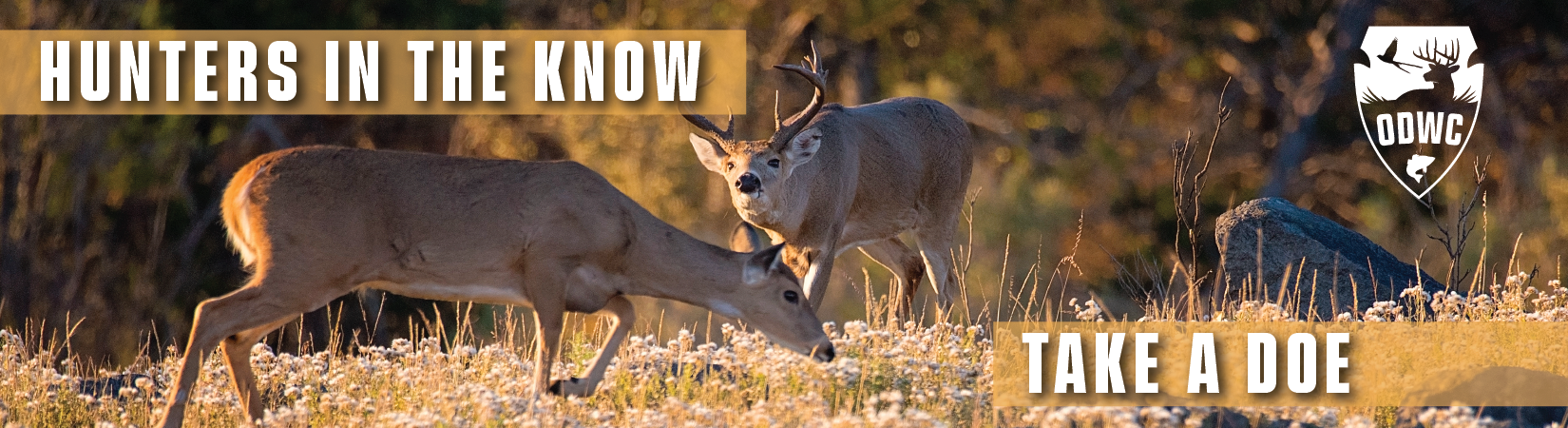
This season, take advantage of liberal bag limits and open days for antlerless harvest because hunters in the know take a doe! Learn more about the benefits of antlerless harvest. |
|
Update your subscriptions, modify your password or email address, or stop subscriptions at any time on your Subscriber Preferences Page. You will need to use your email address to log in. If you have questions or problems with the subscription service, please visit subscriberhelp.govdelivery.com. This service is provided to you at no charge by Oklahoma Department of Wildlife Conservation. If you have questions or problems related to the IT accessibility of this message, please visit the Oklahoma Accessibility Policy webpage. |