|
 📷 Josh Richardson
|
|
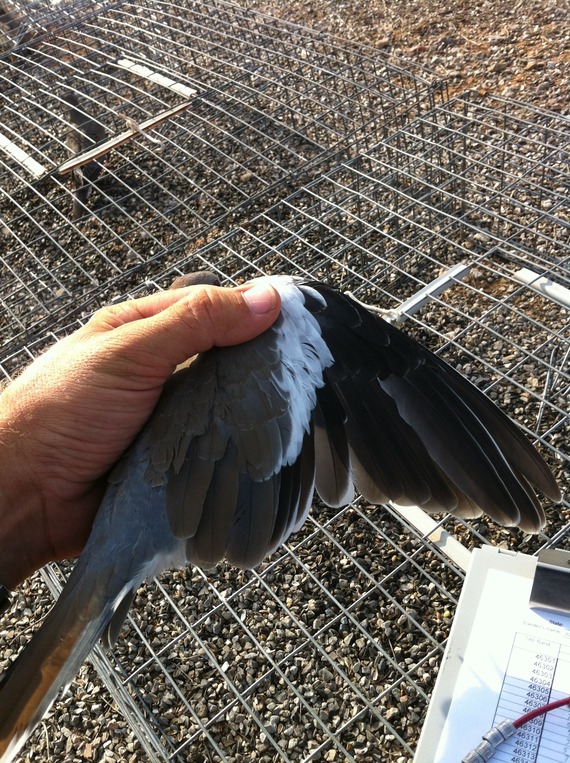
Did you know there are three species of dove that hunters can pursue in the Sooner State? The most common is the mourning dove, but if you’re in the right place at the right time, you’re likely to see the other two species – the white-winged dove and the Eurasian collared dove. |
|
 📷 Kelly Adams
|
|
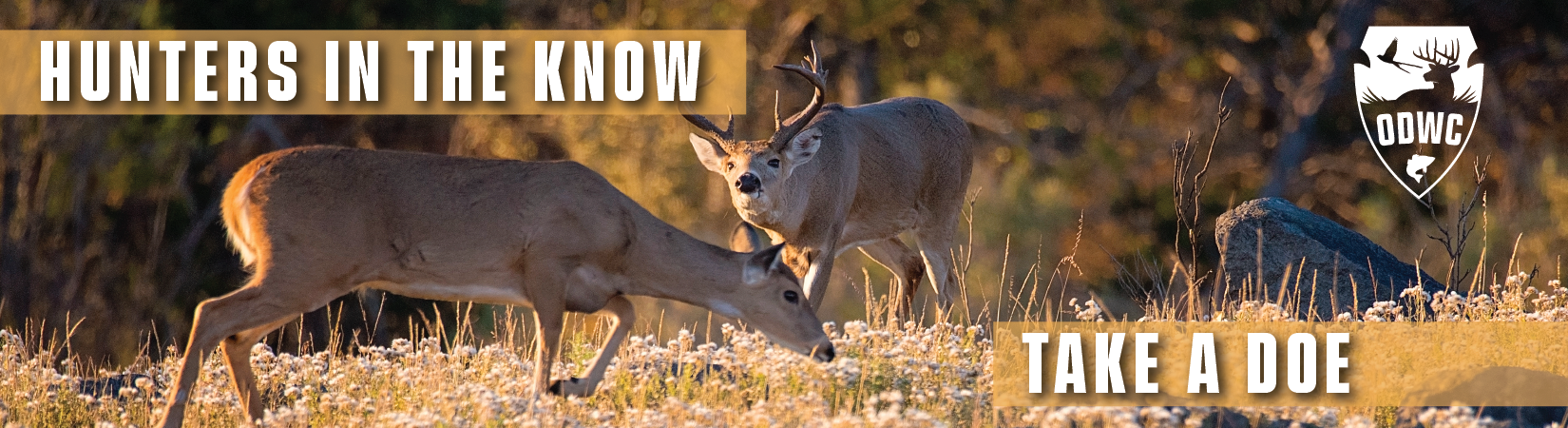
Quality deer habitat is composed of a mix of forbs, native grasses, and woody and shrubby plants. This gives deer a variety of nutrition options to carry them through the year and is what will help them thrive on your property. But managing your property for deer also includes the decisions you make while behind the trigger or when you sign the hunting lease or give permission to allow others to hunt. |
|
 📷 Jeff Tibbits
|
|
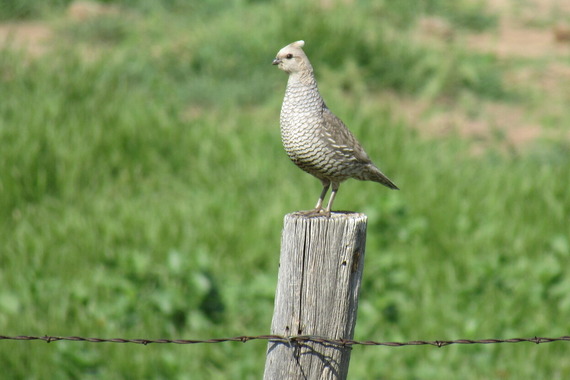
When you hear the word “quail,” you likely picture the familiar Northern bobwhite and its distinctive whistle. But Oklahoma is actually home to two species of quail: the widespread Northern bobwhite and the scaled quail. While bobwhites can be found statewide, scaled quail occupy a much smaller range, primarily in the Panhandle and occasionally along the far western edge of the state. |
|
 📷 Kyle Johnson
|
|
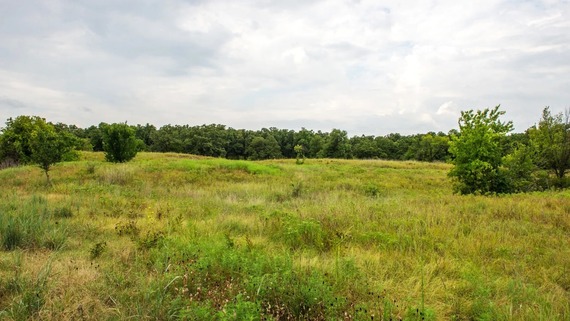
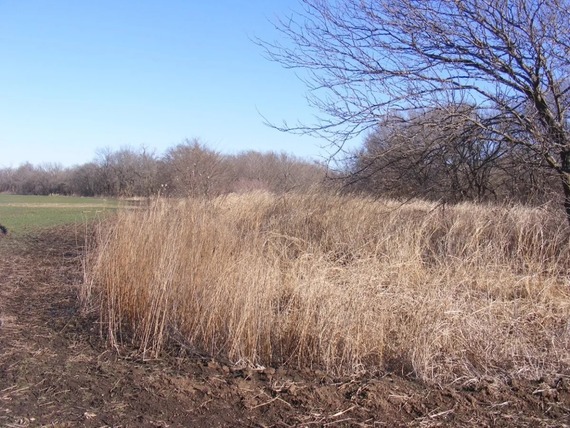
Most wildlife prefer, and many of them need, a heterogeneous environment. This is just a $100 way of saying that wildlife enjoy a diverse landscape. However, a property that has several different types of habitat (i.e. forest, riparian, and range) might only provide marginal habitat for wildlife. |
|
 📷Heather Del Moral
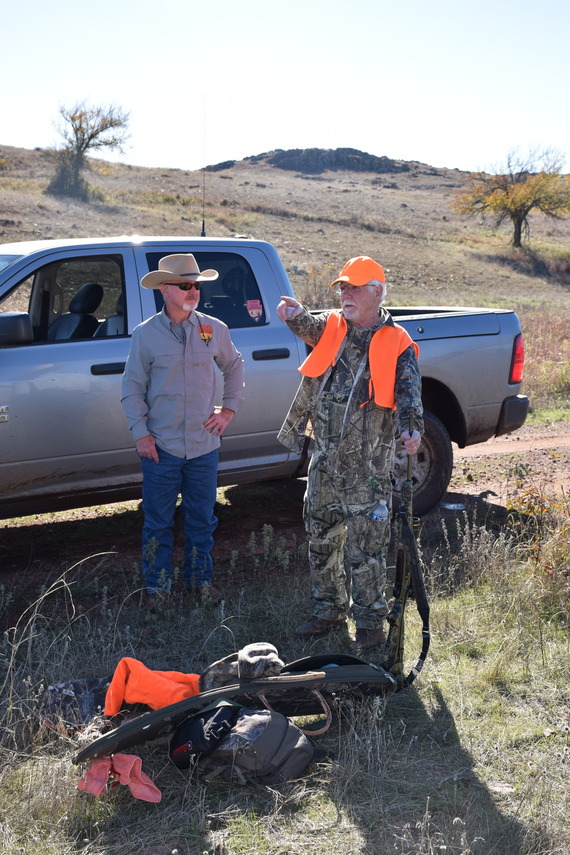
Just What Does a Biologist Do?
From piloting planes and running prescribed burns to banding geese and guiding conservation policy, Oklahoma’s wildlife biologists tackle an astonishing range of work to keep the state’s wildlife thriving. Discover why their jobs are far wilder than you imagined.
|
|
|
|