|
|
No matter how big or small your outdoor space is, there’s likely room for wildlife.
Wildlife-friendly landscaping, or wildscaping, can take many forms but generally involves the addition or maintenance of plants and other features that increase the amount of food, water, and cover available to wildlife.
Read on for individual tips, or click to get all of our wildscaping resources in one place.
|
|
|
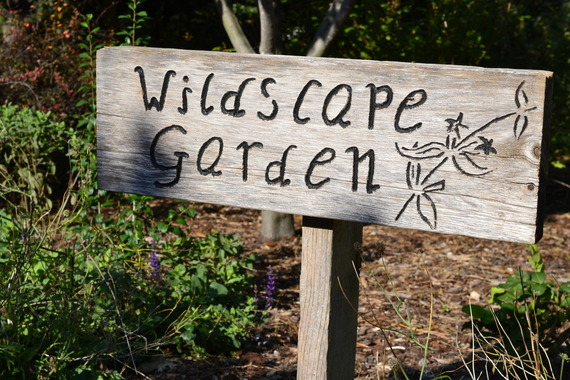
Creating a successful wildscape is comparable to baking a cake – you may be able to make what appears to be an appetizing treat, but without the right ingredients, it just won’t taste the same. Successful wildscapes likewise involve certain ingredients. You may have wildlife visiting your yard, but unless you meet their needs, they won’t live in your wildscape.
Wildscape Ingredients:
A key to attracting wildlife to your property is to provide as many of the four habitat elements as possible: food, water, cover, and space. The most successful wildscapes include these elements throughout the seasons.
Steps for Designing a Wildscape:
The first step in designing your wildscape should be an initial evaluation of your property. Which plants and wildlife are already present? What do you hope to add? We have tips for starting from scratch to modifying an exiting landscape, and share maintenance ideas for all wildscapes.
Plants for Wildlife:
Most wildlife rely upon plants during some part of the year, either eating the fruit, seeds, or nectar provided, or using the plant as a source of shelter. Generally speaking, native plants are best suited to meet the needs of wildlife. Native plants also tend to better withstand Oklahoma's sometimes severe droughts and freezes.
Wildflowers can be planted throughout the spring and summer, but for best results plant seeds in early October. Wildflowers generally need at least six hours of sunlight per day, but many species tolerate light to partial shade.
Get even more pollinator plant lists from our friends at Okies for Monarchs! In addition to regional plant lists geared for monarchs and other pollinators, the conservation group also maintains a list of plant vendors that stock milkweeds and other plants.
|
|
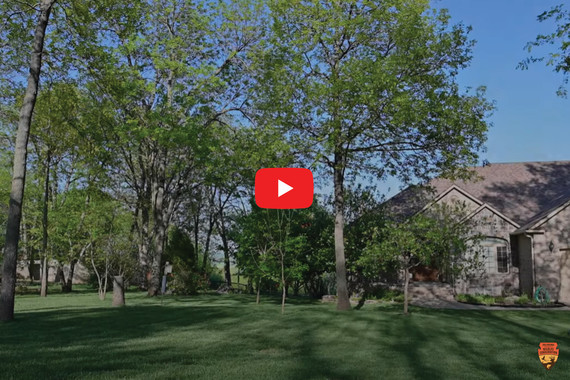 🎥 Click the image to tour an urban wildscape.
|
|
|
We toured Terry Brunholtz’s Owasso wildscape to see his strategy for attracting and photographing backyard wildlife in an episode of Outdoor Oklahoma. Guest appearances by a gray fox and a groundhog…
|
|
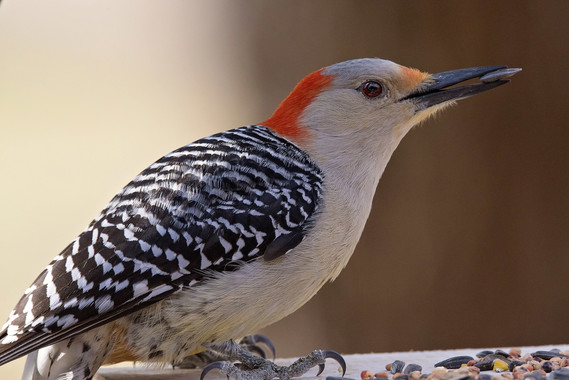 📷 Red-bellied woodpecker by Jeremiah Zurenda
|
|
|
One of the simplest ways to attract birds to your yard is by supplementing their natural food sources. Get the most out of your feeders with these tips:
- If you're just starting out or want to keep it simple, a single feeder filled with black oil sunflower seeds will do the trick. If you want to attract the greatest diversity of birds, consider using multiple feeders and a mix of seeds types and fruits.
-
Provide cover from predators. Keep feeders 5-10 feet from a brush pile or other escape cover but not so close to create a hide for predators like house cats.
-
Keep it clean! Regularly wash feeders in a one-part bleach to nine-part water solution to help visiting birds stay healthy.
|
|
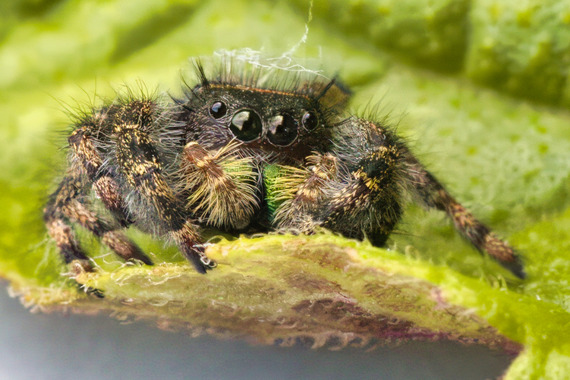 📷 Jumping spider by Kellie Carter
|
|
|
Wildscapes are great locations for wildlife watching, and for gathering data! Contributing to conservation can be as simple as sharing the details of observations made in your backyard or on your recent hunting or fishing trip. Specific what, when, and where details of your nature sightings can help biologists track the status of fish, wildlife, and plants across the state.
Identifying all the animals visiting your property can be a daunting but worthwhile endeavor. Thankfully, countless resources and identification tools are available.
Online Resources
If you have a smartphone with a data plan, you’re already carrying an untold number of free guides and identification tools. Online resources like oksnakes.org, the Cornell Lab of Ornithology’s All About Birds, and the U.S. Forest Service’s bumble bee guides often have more information than can be printed on the pages of a physical guide.
Many free nature sharing apps like iNaturalist and eBird include information about the species you’ve spotted, and iNaturalist can provide identification recommendations when a photo is uploaded.
In-Person Learning
If your preferred learning experience comes with a side of human connection, consider attending a meeting of a local nature organization, or the Wildlife Department's upcoming spider program! Details and more events are in the below Outdoor Calendar.
|
|
|
We hope you've enjoyed these ideas for attracting wildlife to your property. To get wildscaping tips throughout the year and learn about the Wildlife Department's conservation efforts for nongame species, subscribe to our monthly e-newsletter, the Wild Side. Our next newsletter will drop Sept. 26.
|
|
|
|