|
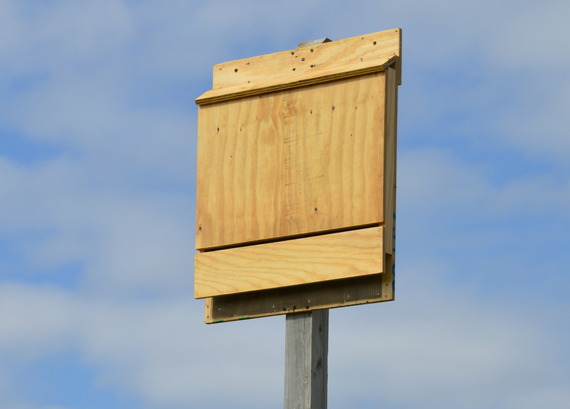
When natural habitat is not available or can’t be managed for one reason or another, landowners may opt to provide artificial habitat. Bat houses are an example of how man-made structures can provide roosting habitat where none were previously found and encourage bats to use and frequent an area. |
|
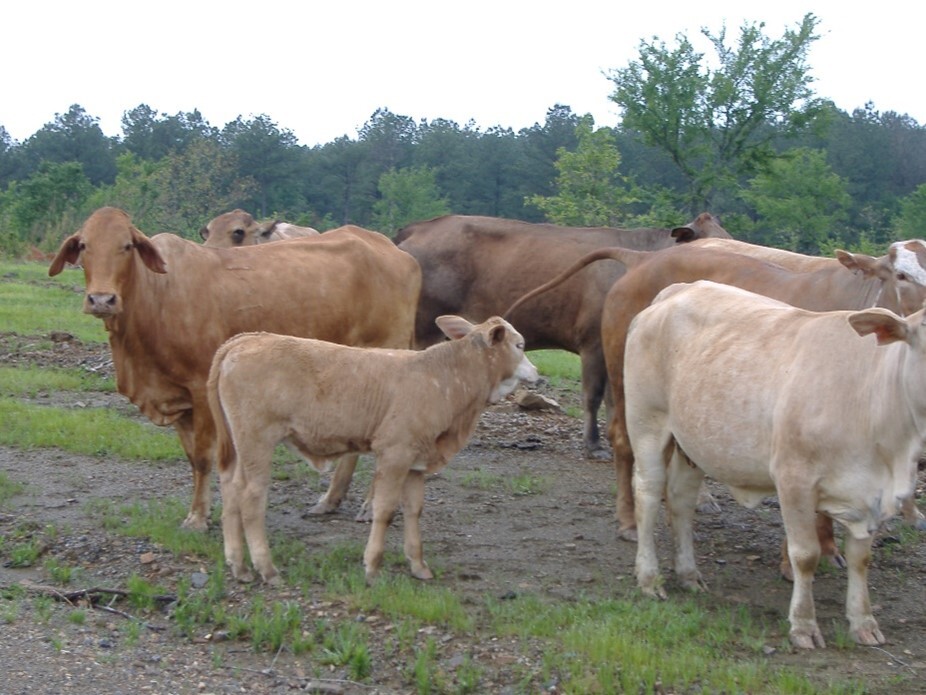
With more than 95% of Oklahoma’s land being held in private ownership and livestock production being a major driver in Oklahoma’s economy, the practice of properly grazing livestock is vital to the health of our ecosystems and overall resiliency of our state. |
|
|
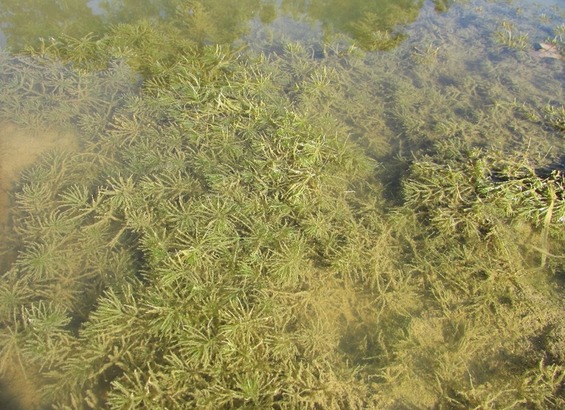
So, your pond has become inundated with chara. Chara, or muskgrass, can be handled using a variety of methods: mechanical, biological, or chemical. Each of these methods has its advantages and disadvantages. Mechanical removal is the simplest and cheapest method of control; biological control can take a while to see results; and chemical control tends to be the most expensive method of removal.
|
|
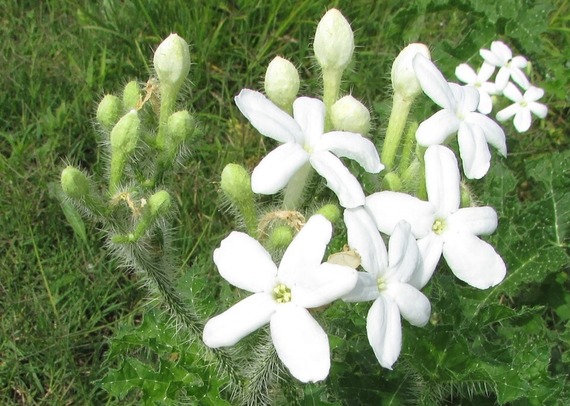
Few plants demand greater respect than Texas bullnettle, and for good reason. After all, its spine-covered look can be intimidating! But the plants boast of benefits too, especially for wildlife. For bird lovers of dove, turkey, and quail, managing for bullnettle – or at least tolerating its presence – may well be worth considering. |
|
|
|