
New Blog Features Stories about Oklahoma's Wildlife, Hunting and Fishing
Get even more out of Outdoor Oklahoma with the Wildlife Department's new blog, the Outdoor Oklahoma Journal. There, we'll be sharing great wildlife features, hunting and fishing stories, insider information about unique opportunities, and ways to help you pursue and engage in Oklahoma's vibrant outdoor lifestyle.
From tips for teaching kids to cast, to an explanation of shotgun sports, to past wildlife and research stories from this newsletter, our goal is to share details on how you can go out and be a conservationist. Tags at the bottom of each journal entry help you connect with more stories about your favorite outdoor topic.
Browse our Outdoor Oklahoma Journal
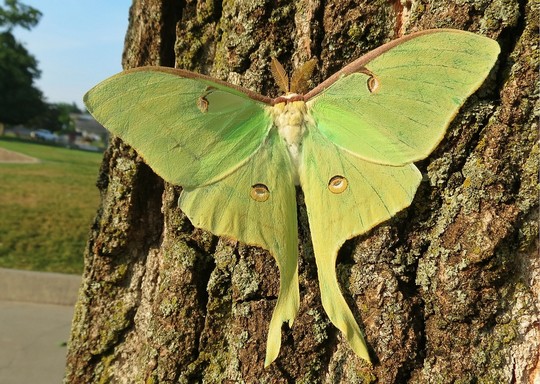 (Bruce Hallman/USFWS)
Species Spotlight: Luna Moth
Luna moths may be one of Oklahoma's largest moths, but these giants start out as tiny eggs about one-third the size of a BB pellet. After hatching, caterpillars feed on the leaves of the persimmon, black walnut or other hardwood host plants for 5 - 6 weeks while undergoing several molts. The fully grown caterpillars then crawl or fall to the ground and wrap themselves in a silk-bound leaf at the bottom of the host tree. Adult moths have about one week to find a mate and produce the next generation before they die.
Learn more in the Butterflies and Moths of North America's online guide
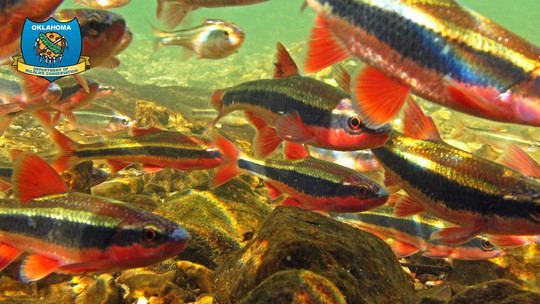
Log into Your Next Zoom Meeting from Outdoor Oklahoma
The world of work may have taken a virtual turn in 2020 but nature can still join the Zoom meeting when you add a virtual background straight out of Outdoor Oklahoma.
These backgrounds serve as a virtual green screen in the Zoom Room, allowing you to share your passion for the outdoors while also providing a little privacy for your home life. Details for enabling a virtual background are available in the Zoom help center.
Download a background from Outdoor Oklahoma
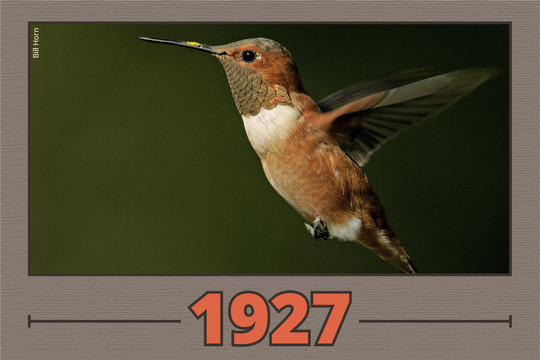
In Wild History: Oklahoma Hummingbird Enthusiast Documents Early Encounter
Before Aug. 10, 1927, hummingbird enthusiast Ralph C. Tate of Kenton had only recorded the broad-tailed hummingbird and ruby-throated hummingbird in our state. But 93 years ago today, he heard a peculiar sound shortly after sunrise and later discovered a single male rufous hummingbird feeding from a trumpet vine flower - only three feet from his face! Tate's record was shared in the July/August 1928 issue of The Condor.
Rufous hummingbirds have now been documented in eastern Oklahoma and are known for their feistiness. They are considered rare visitors to Oklahoma from late summer to early winter.
Get more WILD HISTORY every month on Facebook
|