18-22 Year Old Program, School Work Study and Work Adjustment Training
For students with disabilities, having access to relevant and helpful transition services and resources is critical to their future success. When transition services are well structured and have a track record of successful impact on students with disabilities, everyone wins.
Some aspects of transition services and programs can seem difficult to understand. Examples of commonly used commonly discussed services that can seem unclear at times are the School Work Study (SWS) program, the Work Adjustment Training (WAT) program and the 18-22 Transition Program. Here, we will explain SWS, WAT and the 18-22 Transition Program. We will establish a clear understanding of each as well as what SWS and WAT can look like for students in the 18-22 Transition Program.
What is School Work Study (SWS)
School Work Study (SWS) is a structured work experience program for students ages 16-21, arranged through partnerships between the school district and the Oklahoma Department of Rehabilitation Services (DRS). Students participate in actual work experiences in school settings or community-based job sites.
The goals of SWS are to:
- Develop workplace readiness skills.
- Learn appropriate work habits and behaviors.
- Practice communication and social skills in a work environment.
- Gain experience following workplace expectations.
- Explore career interests through real work experiences.
- Increase independence in work settings.
Students may earn wages and gain practical experience in competitive or supported work environments while continuing to receive educational support and instruction.
Who Is Typically a Good Candidate for SWS?
Students may be good candidates for School Work Study when they:
- Demonstrate basic work readiness skills.
- Can follow simple workplace routines with support.
- Are interested in exploring employment options.
- Benefit from learning through hands-on experiences.
- Need real-world opportunities to apply skills learned at school.
- Are working toward employment as a post-school goal.
SWS is often appropriate for students who are ready to practice job skills in authentic work environments while continuing to receive coaching and support.
What is Work Adjustment Training (WAT)
Work Adjustment Training (WAT) is a structured employment preparation program for students ages 16-21, designed to build the foundational skills needed for workplace success. WAT focuses on helping students develop appropriate work behaviors, routines and habits before entering competitive employment.
The goals of WAT are to:
- Improve attendance and punctuality.
- Develop task completion and productivity skills.
- Increase workplace independence.
- Build appropriate workplace behavior and social interactions.
- Learn how to accept supervision and feedback.
- Strengthen overall employability skills.
- Improve stamina and consistency in work settings.
Progress is monitored and training activities are individualized to meet each student's needs.
Who Is Typically a Good Candidate for WAT?
Students may be good candidates for Work Adjustment Training when they:
- Need additional support developing work habits and routines.
- Require instruction in workplace behavior and expectations.
- Need practice with following directions, staying on task or completing assignments independently.
- Benefit from structured instruction before participating in community employment.
- Need opportunities to build confidence and work endurance.
WAT is often used as a steppingstone toward School Work Study, competitive employment or other community-based work experiences.
Examples of Student Activities
Activities may vary based on student goals, interests, abilities and available community partnerships.
Examples of School Work Study activities may include:
- Stocking shelves.
- Organizing inventory.
- Clerical and office support tasks.
- Filing and document preparation.
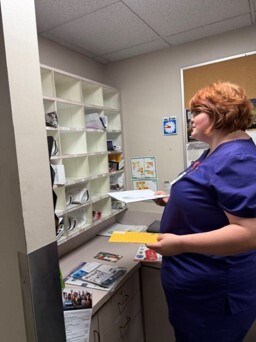
- Mail delivery within a building.
- Custodial or maintenance support.
- Food service or cafeteria assistance.
- Retail support activities.
- Library support tasks.
- Community-based employment experiences.
Examples of Work Adjustment Training activities may include:
- Practicing attendance and punctuality.
- Following multi-step directions.
- Completing assigned tasks within designated timeframes.
- Learning workplace communication skills.
- Practicing customer service interactions.
- Developing appropriate workplace behavior.
- Learning safety procedures.
- Building task endurance and productivity.
- Participating in simulated work activities.
- Practicing teamwork and cooperation.
Many students participate in both types of programming as they progress toward greater independence and employment readiness.
How SWS and WAT Differ
School Work Study (SWS) offers students the opportunity to gain practical experience by applying skills in authentic workplace settings.
Work Adjustment Training (WAT) primarily focuses on developing the work behaviors, routines and employability skills needed to succeed in those environments.
While the programs have different purposes, they often complement one another and may both be included in a student's transition plan.
What is the 18–22 Transition Program
The 18-22 transition program might be referred to in different ways. One program synonymous with the 18-22 transition program is the Oklahoma Alternate Assessment Program (OAAP), also known as the “Alternate Diploma”. OAAP provides extended transition services for students ages 18-22 with the most significant cognitive disabilities. Eligible individuals may remain enrolled in public school until the conclusion of the academic year in which they turn 22, thereby continuing to receive special education support, job training, and instruction in independent living skills. Students who earn an Alternate Diploma may also retain access to special education transition services through age 22, provided they meet requirements established by their Individualized Education Program (IEP). The objective of these services is to equip students with employment, independent living and community engagement competencies essential for life after high school.
Transition services are tailored to the unique strengths, interests, preferences, and post-secondary goals of each student. Offerings may include vocational training, practical work experience, job readiness education, independent living instruction, community-based learning and referrals to adult service agencies.
What an 18–22 Transition Program Is—and Is Not
The purpose of an 18–22 transition program is to prepare students for adult life after they leave the school system. These services are provided through the students’ IEP and are designed to help students build the skills needed for employment, independent living, and participation in the community.
What an 18–22 Transition Program Is
An 18–22 transition program is:
- An individualized special education service based on the student's IEP goals and transition needs.
- A program focused on preparing students for adult outcomes, including employment, community participation, and increased independence.
- An opportunity for students to receive instruction in real-world settings such as workplaces, community locations and independent living environments.
- A time to strengthen vocational, social, communication, self-advocacy and daily living skills.
- A bridge between school services and adult services, including vocational rehabilitation, employment support and community resources.
- A way to provide continued support while students practice and apply skills in authentic environments.
What an 18–22 Transition Program Is Not
An 18–22 transition program is not:
- An extension of traditional high school.
- A program designed primarily for earning credits or completing typical academic coursework.
- A guarantee of employment upon exit.
- A permanent adult service program.
- A day care or recreational program.
- A one-size-fits-all placement where all students participate in the same activities.
How Services Are Determined
Participation in an 18–22 transition program is determined by the IEP team based on the student's individual needs. Services should be connected to measurable post-secondary goals and should address the skills the student needs to be successful after leaving school.
The IEP team should consider:
- Employment goals.
- Independent living needs.
- Community participation goals.
- Functional skill development.
- Self-advocacy and decision-making skills.
- Recommendations from transition assessments.
- Input from the student and family.
SWS, WAT and the 18-22 Transition Program
The 18–22 transition program is structured to facilitate the successful progression from school to adulthood. Post-secondary School Work Study (SWS) and post-secondary Work Adjustment Training (WAT) help students move successfully from school to adult life. They enable participants to cultivate employment skills, enhance independence, and prepare for active involvement in their communities. All services must be individualized and appropriately aligned with each student's abilities, interests, and long-term aspirations.
Students participating in the 18-22 transition program who can benefit from post-secondary SWS or from post-secondary WAT should talk to an academic counselor or advisor at their school to get connected with the program that best fits their situation.
|