 |
|
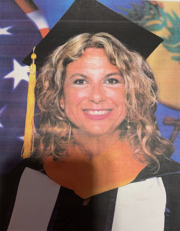
By Susan Sanchez,
Vocational Rehabilitation specialist
Poor Juan. He is handicapped, so be sure to talk to him with sympathy. I can’t stand how they all stink. Can you imagine being married to a sick person like that? That is so sad. He cannot do anything anymore.
Would your purpose or employment be the same if you were a person who uses a wheelchair or had another significant disability?
|
I appreciate the progression of rights for people with disabilities in today’s world. Society used to say that a person may be limited in skill areas that are required to be effective in the workforce, but I am here to spread the message that if you have an area that you struggle with, then you can develop skills to navigate the world in alternate ways.
Those alternate ways can create skills that are just as effective in the workplace and may be unique to you and give you an edge. Those skills can be communicated with others who share your culture and used to educate the wider world. They give others hope and inspire the realization of their worth, and the culture that is oppressed may be set free for success and achievement. These things are an American right, to find worth in contributing to your family and society, to gain self-confidence when you are bettering yourself.
Ableism is discrimination against people who are different because of their weaknesses, when we all have them. This discrimination can be intentional or unintentional and is based on the perspective that there is a correct way for bodies and minds to function. After all, we were raised right, right? We might get pulled by our ear lobe if we do not act like the norm. What is going on in that person’s head who is different, though? Take an interest! What is their world like?
People who are disabled are not poor or unintelligent, but they know something that others do not. I will share that secret with you. This person who is successful has great team support. They always do. They work harder to reach the same goal, which may be easy for you. But they know what is important, and that is each other.
Yet, we only want to enjoy life as equals with other humans even when the world makes it difficult because we are not operating the way that system was set up for us.
In Proverbs, it says calling someone a fool is to be a fool. It is like seeing a person with a disability, and it bothers you to be around them when they stand out. You cannot pursue what you want to pursue with them as easily if they were not there. Do not think that you will say something politically incorrect if you seek to become familiar with a person with a disability, because it is a learning process for everyone. In fact, the terminology is readily changing.
One reason that it changes more quickly than it used to is because a new light has been brought to people who have been oppressed. The government and society are now attempting to learn what is the best way to address these people’s rights.
We can discriminate based on appearance and the knowledge from the world around us.
Yet, these people can have affluence. They may either nurture the home or run the world of prosperity. The world is changing for the better. When we see them as they wish to be seen and see them for their abilities such as character of leadership and friendliness, or maybe they could figure out how to adapt. Be self-aware of those unconscious thoughts, introduce yourself, offer resources and learn from them.
Every man deserves to work if he chooses. When work is freely chosen, it allows them room for personal development and spiritual fulfillment toward meaning and purpose. Work makes it possible for families to meet their needs and provide for their children. Work makes it possible for their voices to be heard.
When they are not encouraged and accommodated in competitive integrated employment, then their observation of the discrimination can result in psychological and physical illness aspects. Basically, it segregates them, and society is not benefitted by their strengths. The team that assists them must fill in for care more often when the person is not living to his fullest potential.
Juan went with me to be my assistant in teaching Teen Court classes to first time juvenile offenders. He was able to sit with them and tell them stories from his past and put the fear of God in them. It was paid employment that he was completely capable of being successful at; making a difference in the person; and benefiting the community.
When they are ready to retire, then they can live in a community where they know they belong. They hear the words “well done” in their heads, and they can lay down their heads in peace. It's a great mistake, I think, to put people with disabilities in their own bracket where we think they fit in better. The opportunities for fun and excitement during time off or retirement should be accessible to all.
There is nothing I had rather do than get my husband all dressed up and go out on the town with him like other able-bodies couples. We enjoy doing the things that other able-bodied people enjoy. We go to Broadway shows and theatre, Thunder games and NASCAR events. He is a person with wisdom and spirit.
Acceptance of people with disabilities is a way by which God reveals the beauties of all the others. By our friendship, God opens our eyes to their way of thinking and reason for their actions.
Today he has the power to see what is needed to be done and express direction. He can choose the best and highest goal, and together we have the surest means of attaining it. He is beautiful and useful. We all are magnificent as a country with our diversity and varied characteristics, like properties of a salad with different textures and beneficial components. We come from different origins and adding our part individually. May we all be humble and know our way is not the only way. That is the beauty of inclusion.
 |
In this photograph taken on July 26, 1990, President George H. W. Bush signs the Americans with the Disabilities Act during a ceremony in the Rose Garden. Sitting beside him from left to right are Evan Kemp, Chairman of the Equal Employment Opportunity Commission, and Justin Dart, Chairman of the President’s Committee on Employment of People with Disabilities. Standing behind him from left to right are Reverend Harold Wilke and Swift Parrino, Chairperson, National Council on Disability.
DRS' Professional Development team is honoring the recent anniversary of the Americans with Disabilities Act of 1990 by offering an online course worth one supervisory hour that details the history of the American disability rights movement.
The course revolves around the 2011 documentary, "Lives Worth Living," which offers first-hand stories from disability rights advocates who were instrumental in the passage of the ADA. To view the video, please log into Workday using the link below.
Lives Worth Living Course Link
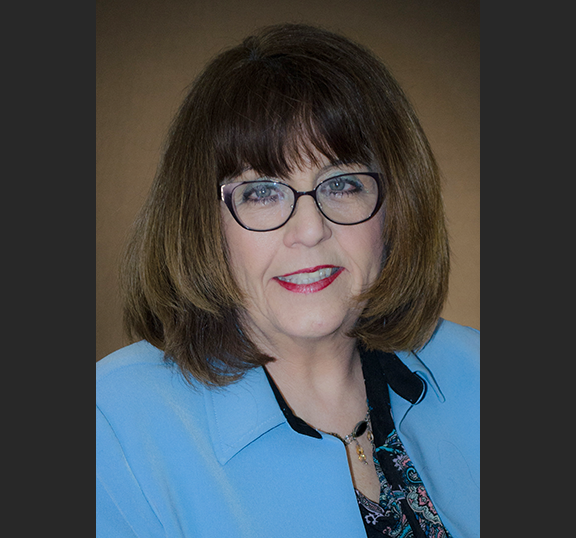
DRS has been an independent agency for more than 31 years, and in that time, only one person has served as its communications director.
Jody Harlan will retire at the end of August, and her duties will be shared between existing staff until a new communications director is named.
If you have a story that needs to be told; a media release that needs promotion; or have any other communications need, please contact:
Dana Tallon
Phone: 405-951-3402
Email: DTallon@okdrs.gov
Brett Jones
Phones: 405-651-4594
Email: bjones@okdrs.gov
We look forward to working with you.
And finally, thank you to Jody for more than three decades of hard work and dedication to DRS.
DRS employees and friends are invited to a drop-in retirement party honoring Jody Harlan who is retiring at the end of the month.
The event will be held from 1 p.m. to 3 p.m. in the second-floor conference room at the State Office.
Harlan has served as the agency’s only communications director for more than three decades.

The nation’s oldest nonprofit organization focused on advocacy and improved treatment for individuals with psychological disorders, Mental Health America, has just released its 2024 Workplace Mental Health Report. It starts by giving an overview of MHA’s national certification for employers committed to supporting a mentally healthy workforce, the Bell Seal for Workplace Mental Health.
Interestingly, the “Bell” referred to in the name of the certification is an actual bell cast in 1953 at the McShane Bell Foundry in Baltimore. The organization now known as Mental Health America issued a call to asylums all over the country to send them the chains and manacles, formerly used to bind their inmates. They took these “inhumane bindings,” melted them down and used them to make the “Bell of Hope” which has this inscription, “Cast from shackles which bound them, this bell shall ring out hope for the mentally ill and victory over mental illness.”
Using surveys of the companies who earn the Bell Seal, the report highlights the best practices certified companies use to be able to support the mental health of their employees.
My Breaking Barriers article from June highlighted how anxiety disorders, depression, and PTSD have steadily risen in reports of discrimination in the workplace. Employers should be looking for ways to positively impact the mental health of their staff. The report recommends five practices that will help:
1. Leaders and peers sharing their lived experiences
When leaders within organizations share their stories and candidly discuss their personal experiences with mental health issues, it contributes to fostering dialogue in the workplace. It empowers others to share their own narratives and motivates employees to seek assistance when necessary.
2. Peer connection and support
Promoting peer connections and support helps create a culture of trust. It presents opportunities for employees to engage socially with their colleagues providing a valuable resource for those seeking assistance with mental health issues.
3. Affordable and easy access to mental health care
It is in the best interest of employers to ensure access to high-quality mental health services. It has a significant influence on employee well-being and productivity.
4. Support for disability disclosure and recovery
Significant stigma still exists around mental health issues. Encouraging disclosure and recovery is a necessary first step to guarantee that employees are provided with the necessary procedures, accommodations, benefits and support to create a seamless and healthy transition during their leave and return to work.
5. Support for workers’ families
Employers can enhance their support for employees' families by offering extended paid parental leave, introducing new benefits for family-building, and revising paid leave policies for caregivers and those experiencing bereavement.
If you’re interested, please look at the MHA 2024 Workplace Mental Health Report for more information about their certification program and a detailed breakdown of the best practices for employers.
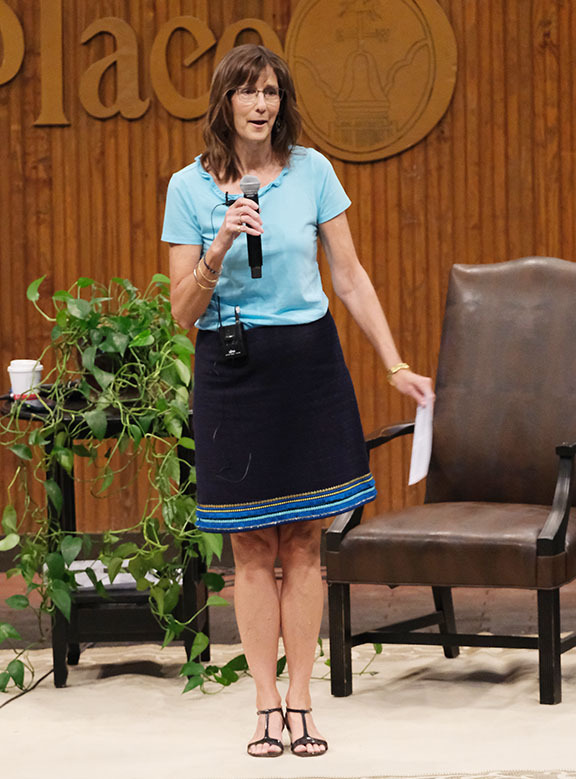 Julie Lackey speaks to event attendees.
The Oklahoma Statewide Independent Living Council and the Oklahoma City Mayor’s Committee on Disability Concerns hosted a disability information event, “OK, Let’s Talk!” at Heritage Place on August 2.
Participants heard disability experts share life experiences and best practices.
Julie Lackey, director OK IPSE Alliance, spoke at the event about Transition Services and college for people with disabilities. She was one of 10 speakers at meeting, which was led by comedian Michael Beers who kept the event light-hearted and moving along.
The Oklahoma City Mayor’s Committee on Disability Concerns works to foster an environment that promotes access and inclusion to all the city’s residents and visitors with disabilities. The group works to create awareness of issues and solutions for the public.
The committee is a non-profit 501(c)3 organization and is comprised of volunteers who donate their time and expertise to help Oklahoma City become the most accessible and inclusive city for individuals with disabilities.
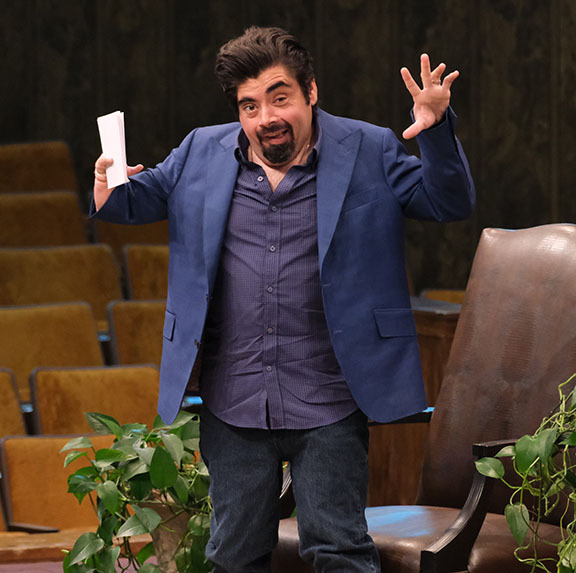 Comedian Michael Beers kept the event moving.
Here are some of the new people you may meet soon at an upcoming event. Take some time to welcome the following to their new positions and see who's retired.
New hires or new jobs:
DDS – IS Data Management Analyst Daniel Wilson began the new job on June 3.
FSD – Budget Analyst Cheryl Cupps began the new job on June 1.
OSB – Licensed Practical Nurse Peyton Skates began the new job on June 2.
OSD – Adjunct Teacher Savannah Hester began the new job on June 1.
VR – Programs Manager Kristi Hutton began the new job on June 1.
VR – Rehabilitation Technician David Ellis began the new job on June 3.
VR – Vocational Rehabilitation Specialist Melinda Frazer began the new job on June 1.
SBVI – Rehabilitation Technician Kathy Christian began the new job on June 3.
SBVI – Vocational Rehabilitation Specialist Rachel Morgan began the new job on June 11.
SBVI – Vocational Rehabilitation Specialist Stephanie Herren began the new job on June 3.
MSD – Materiel Management Officer Jacob Muse began the new job on July 8.
OSB – Principal Brent Pearce began the new job on July 1.
VR – Vocational Rehabilitation Specialist Shalea Guillory began the new job on July 1.
VR – Rehabilitation Technician CeVana Borgstedt began the new job on July 8.
VR – Vocational Rehabilitation Specialist Fred Jones began the new job on July 8.
VR – Vocational Rehabilitation Specialist Lauren Buzbee began the new job on July 1.

Do you have a former client that is building a life of independence?
We want to share their stories with DRS Commissioners and in the DRS Annual Report.
Please email Brett Jones at bjones@okdrs.gov with the client's name and contact information. We will take it from there.
 Wynn sees a bright future ahead after DRS' support
Ninnekah’s Jamie Wynn has a learning disability and turned to DRS to move forward in his life.
Wynn feared the disability would keep them from getting a job or going to college. DRS services changed Wynn’s life.
“They helped me single out all the things I didn’t want to do and found me a great job coach to help me get the job I have now,” Wynn wrote. “I feel like my life has gotten better since getting their help. I probably wouldn’t be where I am today if it weren’t for the help.”
Wynn works in housekeeping at a nursing care center.
Vocational Rehabilitation Specialist Keith Tampkins was Wynn’s counselor.
From the DRS News Archives
Courtesy of the Muskogee Phoenix
Dated Aug. 17, 2016
Stigler educator Rita J. Echelle says her experience is well suited to her new position as Oklahoma School for the Blind superintendent.
“My background in special education and school psychology made me see this as a perfect fit,” said Echelle, 51. “My training and experience with students with special needs helped prepare me to work with students who have visual impairments. I have a desire to see all students be successful and reach their highest potential.”
Echelle was a fifth-grade teacher and school psychologist at Stigler.
She also had been a principal and superintendent at Keota Public Schools.
She was appointed OSB superintendent by Noel Tyler, interim director or the Oklahoma Department of Rehabilitation Services, which governs the school.
“We are confident Mrs. Echelle will be an excellent match for this position and a strong asset to OSB and DRS,” Tyler said in a media release.
She replaces interim superintendent Larry Hawkins, who had been at OSB since February.
Echelle said her experience as a school counselor helped her notice that each student has unique characteristics and needs.
“I enjoy the different personalities and the different strengths that each one brings,” she said.
Echelle said she has been impressed with the OSB staff.
“I can see a deep commitment from each one of them to just prepare the classes,” she said. “I can tell there’s a deep concern for the students and they want to provide the best level of education that they can — from the janitorial staff, to the teachers to administration, secretaries. They have a direct care staff and mobility staff, and they all work together to meet the student needs.”
The 2017 school year begins Monday.
Echelle said improving student achievement “is always a goal.”
“We also want to help students’ transition to adulthood, to be college or career ready,” she said.
“Since I’ve just been here a week, I’m still trying to assess the situation of the school and to meet with the staff to see what goals we need to make.”
She said she wants OSB stakeholders — teachers, students, parents and others — “to be part of those goals.”
Improved public awareness is another goal, she said.
“I want the public to be more aware of the positive things that are happening
here,” she said. “We were jazz band champions. We had a student place at the national Braille contest. Students participate in ‘Give Back Day.’ We have a lot of good things going on. There are a lot of good things going on, and we want the community to partner with us.”

This edition's question:
It has keys, but no locks. It has space, but no room. You can enter, but can’t go inside. What is it?
The answer:
???
Send us your answer
Last edition’s question:
What loses its head in the morning but gets it back at night?
The answer:
A pillow
Those getting it right included:
1. Dayna Jarman
2. Darlene Carnahan
3. Kristy O’Neal-Nelms
|