|
Halloween Is Full of Frights—Keep the Scares Fun
Halloween is a time for spooky decorations, haunted houses, and costumes that make us jump. While ghosts and goblins are all part of the fun, a few simple safety steps can help ensure the only scares this Halloween are the ones you expect.
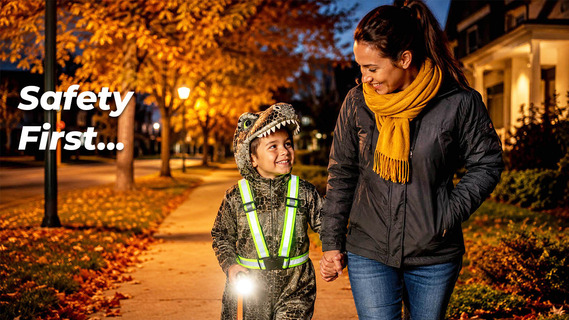
If you're heading out to trick-or-treat, make sure costumes are easy to see by adding reflective tape or glow sticks and carrying a flashlight. Choose costumes that fit well to help prevent trips and falls, and remind children to stay on sidewalks, use crosswalks, and only visit homes with porch lights on. Drivers should slow down and stay alert, especially in neighborhoods where excited trick-or-treaters may cross the street unexpectedly.
For those celebrating at home, keep decorations away from open flames and avoid leaving candles unattended. Battery-operated candles are a safer alternative for jack-o'-lanterns and other decorations. If you're hosting guests, make sure walkways are well-lit and free of cords, decorations, or other tripping hazards.
Halloween is also a great reminder that emergencies don't take holidays off. As October brings cooler temperatures and changing weather, take a few minutes to test your smoke alarms, review your family's emergency plan, and refresh your emergency kit. With a little preparation, you can enjoy a safe and memorable Halloween while staying ready for whatever the season may bring.
|
|
Did you know? The Fire Drill
A home fire drill gives your family a chance to practice what to do before a real fire happens. Start by making sure everyone knows two ways out of every room, where to meet outside, and how to call 911. When the alarm sounds, practice getting out quickly and safely. Stay low if there is smoke, never go back inside for pets or belongings, and use the stairs instead of an elevator if you live in an apartment or multi-story building. Everyone should go directly to the family meeting place and stay there.
Make your drill realistic by practicing at different times, including when everyone is asleep. Consider having someone pretend that a usual exit is blocked so family members learn to use their second way out. After each drill, talk about what worked and what needs more practice. A few minutes of practice can help turn a plan into a habit and make it easier for everyone to know exactly what to do if a real fire occurs.
|
|
|
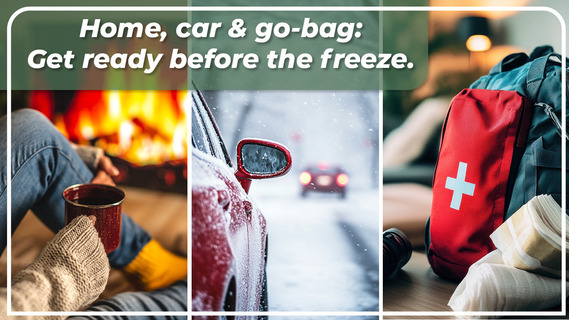 Before the First Freeze
The first cold snap often arrives before we realize it's time to prepare. Taking a few simple steps in October can help protect your home, your vehicle, and your family before freezing temperatures set in.
Start by checking your home. Disconnect and drain garden hoses, cover outdoor faucets if needed, and inspect weather stripping around doors and windows to help keep warm air inside. If you use a fireplace or wood-burning stove, have it cleaned and inspected before the heating season begins. Test smoke alarms and carbon monoxide alarms, and replace batteries if needed.
Next, prepare your vehicle for colder weather. Check your tires, battery, windshield wipers, and antifreeze levels. Keep your gas tank at least half full during the winter months and stock your vehicle with an emergency kit that includes blankets, a flashlight, extra phone charger, bottled water, nonperishable snacks, and jumper cables.
Finally, take a look at your emergency kit. Replace expired food, water, medications, and batteries, and add cold-weather items such as gloves, hats, and extra blankets. If you have pets, be sure to include supplies for them as well.
Preparing before the first freeze means you'll spend less time scrambling when winter weather arrives and more time focusing on what matters most, keeping everyone safe.
|
|
October Challenge: Before the month's end, test every smoke alarm in your home. It only takes a few minutes and could save lives. |
|
|
|
|