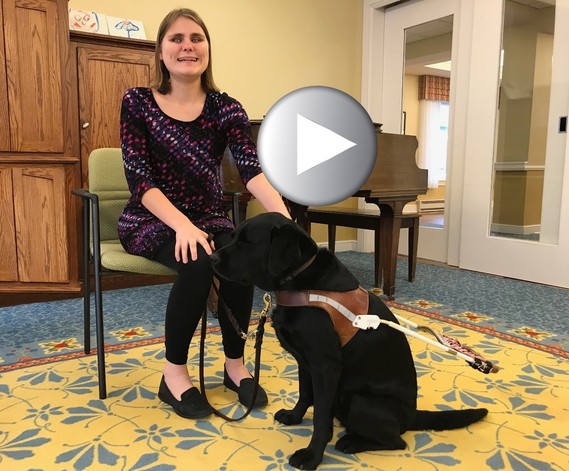
 Gabriella Drago with Freesia, her service dog, at Kendal of Granville, where she is Director of Life Enrichment.
Gabriella Drago knew she wanted to be a music therapist in the 10th grade. After finishing her degree at Baldwin Wallace University, Gabriella became a board-certified music therapist.
With support from OOD, the Cleveland Sight Center, professors, and others, Gabriella explained how meaningful the encouragement has been. “Sometimes people don’t talk about it, but having a disability can take a toll on your mental health,” she said. “You can’t do it all alone. Having a support system makes it so much easier.”
Tune into episode 10 of OOD Works - the Podcast to learn more about Gabriella’s recent transition from college graduate to professional in her chosen field. Find the episode now wherever you listen to podcasts by searching "OOD Works." Transcripts and MP3 files are available at https://ood.ohio.gov/Podcast.
 Samuel Blakely at his job at PPG Industries as a member of the GardaWorld Security Team.
Samuel Blakely has held many jobs. He has been a U. S. Marine, a doorman at Cleveland’s Ritz-Carlton, and a security guard for a private security company. He is married, the father of five children, and the grandfather of four grandchildren. Samuel loves working and being with people. “I’ve always liked meeting people,” said Samuel. “I’ve always been a talker.”
When Samuel came to OOD, he was recovering from a stroke. He worked with Marcia Owens, OOD Vocational Rehabilitation Counselor and Chris Coon, Job Developer with United Cerebral Palsy in Cleveland. As a front desk clerk at United Cerebral Palsy, Samuel learned how to use a multi-line phone system and became acquainted with software programs. He also attended computer training for seniors in his community. OOD assisted Samuel with door-to-door transportation services through Cleveland’s Rapid Transit Authority (RTA).
Samuel submitted numerous applications and participated in many interviews. “Despite many obstacles, he never gave up,” said Chris. “Samuel remained positive throughout his job search. This was a man determined to get back to work and get back to life.”
Samuel landed a security guard position at Live Nation to watch concert equipment. In addition, he got a second job with GardaWorld Security at PPG (working weekends) where he oversees four gates for vehicles entering the facility and tracks visitors and employees.
“Both employers modified the job duties for Samuel so that he did not have to be standing and walking all the time,” Marcia said. “The employers are very pleased with him. Samuel is never late, has perfect attendance, and everyone adores him,” she added.
“I love both of my jobs,” said Samuel. “I started working when I was 13-years-old as a caddy, learning at an early age the value of work. It means the world to me to be able to still work today.”
If you have a disability and want to work, visit www.oodworks.com.
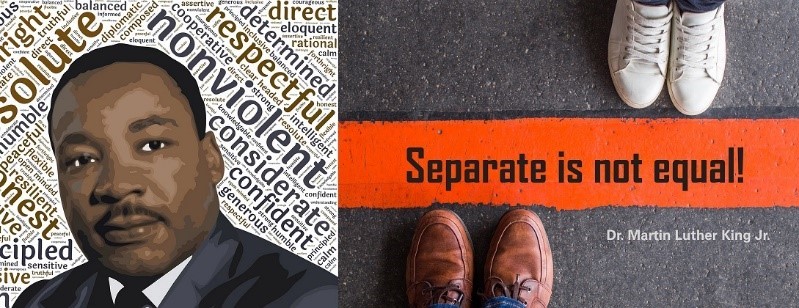 We celebrate Dr. Martin Luther King, Jr. every January on the third Monday to honor his contributions to the civil rights movement. Through his work, he broke down barriers and abolished stereotypes, resulting in the Civil Rights Act of 1964, which ended segregation in public places and banned employment discrimination based on “race, color, religion, sex, or national origin.” Many are not aware that his work also furthered disability rights.
Dr. King’s message “separate is not equal” was a shaping force and helped put an end to people with disabilities being hidden away in institutions and at home. Many of the strategies he used for peaceful social change were repurposed by disability activists. African Americans who bravely crossed the line and sat in restricted areas in restaurants, and who refused to sit in the back of the bus, encouraged those with disabilities to sit in federal buildings and block the way of non-accessible buses until Congress recognized their cause.
Without Dr. King’s example and leadership, rights for people with disabilities may not be what they are today. He inspired advocates to fight for a more accessible country. Early influencers worked toward basic adaptations like accessible parking and building codes to provide equal access. This week we honor his memory and are grateful for his leadership to encourage inclusion of people with disabilities as contributing members of our communities.
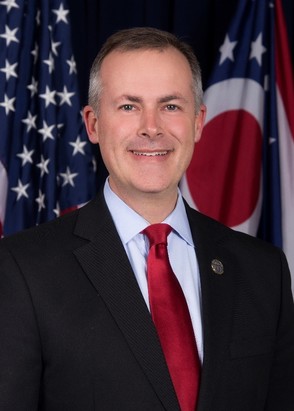
Ohio Treasurer Robert Sprague, guest contributor
The end of 2019 marked the five-year anniversary of the passage of the Achieving a Better Life Experience (ABLE) Act. As you may know, ABLE empowers people with disabilities by helping them to take better control of their finances and live more independently. After passage of the federal legislation, Ohio was the first state to jump in, launching the STABLE Account program in 2016. Since then, and notably in the last year, the Treasurer’s office has championed the ABLE Act’s purpose and provided people living with disabilities with a powerful tool to help them plan their financial future.
STABLE accounts are the premier ABLE program in the country, and more than one in four ABLE accounts are STABLE accounts. Since taking office one year ago, our team has made it a priority to grow the program even further and create innovative partnerships that are establishing STABLE accounts as a mainstream financial tool.
(And signing up is easy – just visit www.stableaccount.com.)
The STABLE Account program saw unprecedented growth and success in 2019. Our national presence was cemented in February with the opening of the 10,000th active account. By year’s end, we surpassed 14,000 active accounts, effectively growing overall participation by more than 40 percent. This great news continued into November when STABLE reached $100 million in total participant contributions.
As part of our office’s mission, we’re committed to being bold innovators who improve people’s lives. Our work on STABLE accounts is playing a large part in how we follow through on that mission. New partnerships with the State of Ohio and the City of Cincinnati allow state and city employees to make recurring direct deposits into STABLE accounts. In the coming years, we’ll continue to build these types of partnerships both in the public and private sectors to make contributing to STABLE accounts easier than ever before.
With your help and the support of advocates across Ohio, we’re going to reach even more individuals and have a greater impact in 2020. While a great deal of progress has been made since the ABLE Act became law, I can assure you we’re just getting started.
We look forward to continuing to work with you in the new year. Through the STABLE Account program, we are improving and empowering lives, while also helping to alleviate the financial burdens felt by families across the Buckeye State and nationwide. As always, my door is open, so please do not hesitate to contact me with your thoughts and ideas. Together, we’re helping to build peace of mind and financial security to those living with disabilities.
|
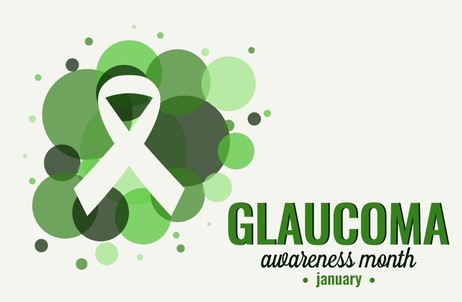 January is Glaucoma Awareness Month. Because glaucoma is a leading cause of vision loss and blindness, it’s important to know the facts, especially since glaucoma has no symptoms during the early stages. The National Eye Institute provides free information about glaucoma for people at higher risk, answers questions about causes and symptoms, and discusses diagnosis and types of treatment. Read “Don’t Lose Sight of Glaucoma” in English or Spanish at https://www.nei.nih.gov/learn-about-eye-health/resources-for-health-educators/outreach-materials/dont-lose-sight-glaucoma.
Ability Center’s Goal: Make Toledo Nation’s Most Disability-Friendly City
Toledo Blade, 1-16-20
Sundance Partnership Extends Accessibility for Attendees with Disabilities
Hollywood Reporter, 1-16-20
This App Gives Deaf Users an On-Demand ASL Interpreter
Fast Company, 1-15-20
New Salem Program Teaches Students What It's Like to Live with a Disability
WKBN, 1-14-20
When a Disability Isn't a Special Need but a Special Skill
The New York Times, 1-13-20
Disabled Couples Navigate Red Tape on Way to the Altar
The Columbus Dispatch, 1-12-20
Jefferson County Board of Developmental Disabilities Provides Training Those with Special Needs
Herald-Star, 1-12-20
Being Deaf is No Obstacle for Akron Teen Who Plays Piano
WEWS, 1-11-20
|