Wayne County,
February was another busy month at the Statehouse, and it certainly flew by. As the legislative session continues to ramp up, my colleagues and I are fully underway with committee hearings, bill discussions, and voting sessions as we work on policies that impact communities across Ohio.
Even with a full schedule in Columbus, I remain committed to staying active back home in the district. Over the past month, I’ve had the opportunity to attend a number of local meetings and events, connecting with community leaders, businesses, and residents to hear their perspectives and priorities.
Your input is incredibly important to me, and I always encourage you to reach out if you have questions, concerns, or ideas.
Please don’t hesitate to contact my office at Rep77@ohiohouse.gov or (614) 466-1474. My team and I are always here to help.
Sincerely,
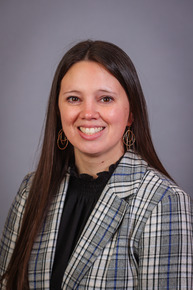
State Representative Meredith Craig
|
Delivering Sponsor Testimony on House Bill 609
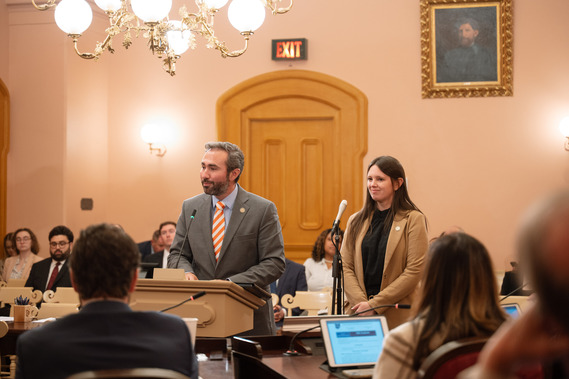 I joined my joint sponsor, Representative David Thomas, to provide sponsor testimony before the House General Government Committee on House Bill 609 — legislation designed to protect the ability of Ohioans to speak at meetings of their local governments.
House Bill 609 is a straightforward proposal that strengthens transparency and ensures residents have an opportunity to participate in decisions that affect their communities. The legislation requires public bodies made up of elected officials to include at least one public comment period during meetings where official action is being taken.
At its core, this bill is about preserving one of the most fundamental principles of our democracy - giving citizens a voice in the decisions made by those elected to represent them.
In recent years, we have seen several cities, townships, and school boards begin restricting or eliminating opportunities for public comment. One of the most widely discussed examples has been in the City of Canton, where residents have faced limitations on their ability to address their own elected officials.
While threats or intimidation toward public officials are unacceptable and should never be tolerated, there are already tools available to address disruptive individuals. Eliminating the opportunity for public comment is not the right solution and risks silencing the voices of law-abiding residents who simply want to be heard.
Prior to testimony, the committee adopted a substitute bill that has been carefully crafted to strike the right balance between protecting public participation and allowing local governments to maintain order during meetings. The new language includes several key clarifications:
- Only one public comment period would be required during meetings where formal action is taken
- The requirement applies only to elected bodies, not advisory boards or unelected entities
- Local governments may still establish reasonable rules regarding the length, format, and structure of public comments
These provisions ensure citizens have a voice while allowing local officials to run orderly and productive meetings.
Public service is a privilege, and part of that responsibility is listening to the people we represent - even when their message may be difficult to hear. House Bill 609 reinforces Ohio’s long-standing commitment to transparency, accountability, and citizen participation by ensuring that public meetings remain truly public.
I look forward to continuing to work with my colleagues as this legislation moves through the legislative process.
Introducing House Bill 682 to Support Independent Hospitals and Protect Patient Care
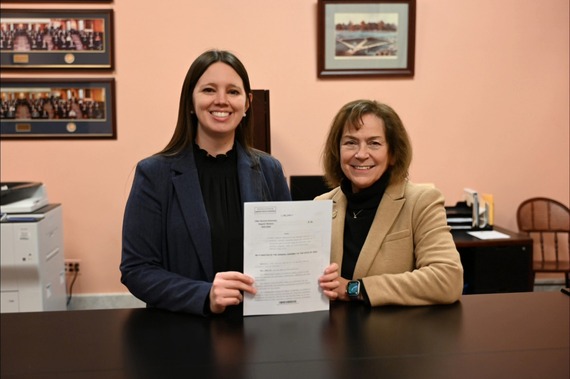 I recently joined Representative Gayle Manning to introduce House Bill 682, a targeted piece of legislation focused on strengthening patient protections and ensuring timely access to critical treatments.
House Bill 682 was introduced after hearing concerns from providers at Wooster Community Hospital, particularly about challenges impacting oncology patients receiving time-sensitive treatments. These conversations highlighted how certain insurance requirements can unintentionally delay care for patients with serious medical conditions.
In some cases, insurers require physician-administered medications - such as chemotherapy infusions - to be shipped from a plan-designated pharmacy directly to a provider’s office for a specific patient. While intended to manage costs, this process can sometimes create delays if a medication shipment is late, a dosage needs to be adjusted, or the drug cannot be safely used when the patient arrives for treatment.
House Bill 682 takes a narrow and targeted approach to address these situations. The bill does not eliminate this practice, but it establishes limited guardrails to ensure providers have the flexibility to act when delays could jeopardize patient care. This exception would apply only for patients with chronic, complex, rare, or life-threatening conditions when a treating provider determines that waiting for the plan-mandated pharmacy could create a serious risk to the patient.
By focusing specifically on community physician practices and independent hospitals, this legislation aims to protect patients receiving complex therapies close to home while maintaining insurers’ ability to manage costs in most circumstances.
House Bill 682 is a practical insurance reform designed to prevent unnecessary treatment delays, support community healthcare providers, and ensure patients facing serious illnesses can access the care they need when they need it most.
Introducing House Bill 709 to Ensure Mental Health Parity
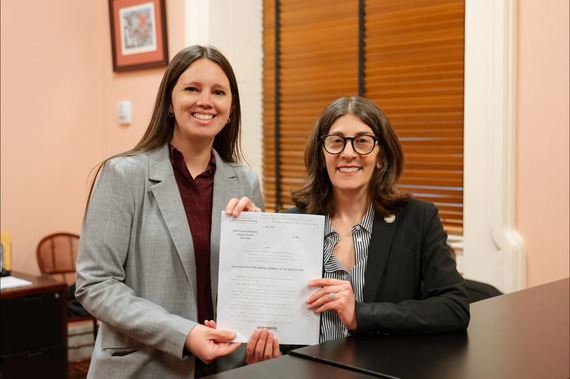 Representative Karen Brownlee and I introduced House Bill 709, legislation that makes sure Ohioans can access behavioral health care through telehealth just as they would in person.
Under House Bill 709, if a health plan offers behavioral health services, it must also cover those same services when delivered via telehealth. This includes outpatient mental health care - such as preventative, diagnostic, therapeutic, rehabilitative, and palliative interventions - as well as other mental health services defined in Ohio law.
This is not a new coverage mandate. House Bill 709 simply ensures parity between in-person and telehealth services. For many Ohioans, especially in rural areas, this ensures that the mental health care already covered by their plan is accessible even if they live far from a provider.
Introducing House Bill 712 to Strengthen Accessible Parking Laws
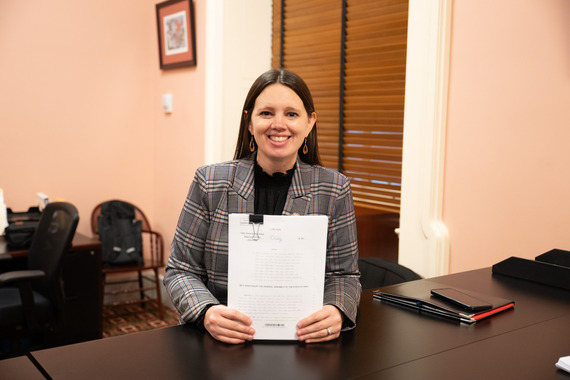 I’m excited to have introduced House Bill 712, which strengthens Ohio’s handicap-accessible parking laws with several key updates:
- Modernizes the placard process - Standardized certification forms from qualified healthcare providers, plus clearer expiration and identifying info to prevent misuse
- Closes loopholes - Expired placards must be returned, and placards can’t be used for someone other than the individual it was issued
- Strengthens enforcement - Establishes clear violations for illegal parking in accessible spaces, blocking aisles, curb cuts, or routes
- Increases accountability - Property owners and public entities must properly mark, maintain, and keep accessible spaces free from obstruction
- Creates stronger penalties - Tiered fines with funds directed toward accessibility improvements across Ohio
I’m especially grateful to be collaborating with Lisa Followay of Adaptive Sports Ohio right here in Wooster. Her advocacy has been instrumental in shaping this legislation.
Introducing House Bill 716 to Boost Healthcare Price Transparency
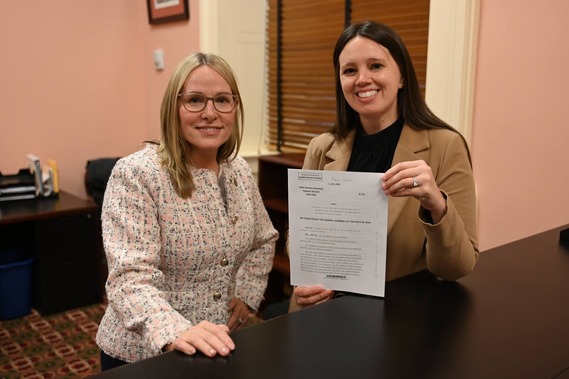 I’m proud to introduce House Bill 716 alongside my joint sponsor, Representative Kellie Deeter, to create an All-Payers Claims Database (APCD) in Ohio - an important step toward better understanding healthcare costs and improving value for patients.
An All-Payers Claims Database is a comprehensive tool that collects healthcare claims data from a wide range of payers, including private insurance companies, Medicaid, and Medicare. By bringing this information together in one place, we can better analyze how healthcare is delivered across the state - looking at the cost of services, how often they are used, and the outcomes for patients. An APCD allows the state to identify trends, compare costs across providers and regions, and better understand what is driving healthcare spending.
This information is especially valuable in order to shift toward value-based care - an approach that focuses on paying for quality and patient outcomes rather than simply the volume of services provided. With better data, healthcare providers and policymakers can identify which treatments and delivery models produce the best outcomes at the most reasonable cost, helping improve care while reducing unnecessary spending.
Twenty-five states already operate an All-Payers Claims Database, and many have used these systems to support smarter healthcare policy decisions, increase transparency for patients, and promote more efficient care.
House Bill 716 is an important step toward bringing greater transparency and accountability to healthcare in Ohio. By improving access to reliable data, we can make more informed decisions that help control costs, support innovation in care delivery, and ensure Ohio’s healthcare system continues putting patients first.
Visiting Aultman Orrville Hospital
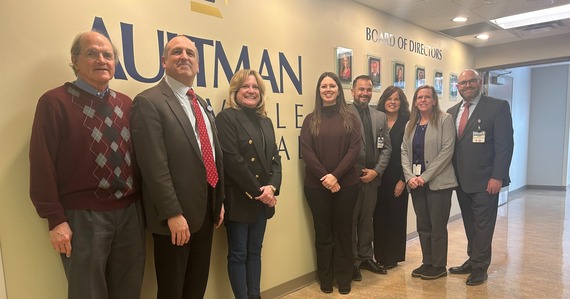 I recently had the opportunity to visit Aultman Orrville Hospital, one of the critical access hospitals serving our region. During my visit, I met with the hospital’s full leadership team to discuss the important role they play in providing high-quality care to patients across Wayne County and the surrounding rural communities.
Our conversation focused on the unique challenges facing rural hospitals - from workforce shortages to reimbursement pressures - and the need to ensure these facilities have the resources necessary to continue serving their communities. Hospitals like Aultman Orrville are often the front line of care in rural areas, providing essential services close to home for families who rely on them every day.
As Co-Chair of the Rural Hospital Caucus, I remain committed to advocating for Ohio’s rural and independent hospitals. Their success is vital to the health of our communities, and I will continue working with providers, policymakers, and local leaders to ensure they can continue delivering the care our communities depend on.
Welcoming Wayne County Farm Bureau to the Statehouse
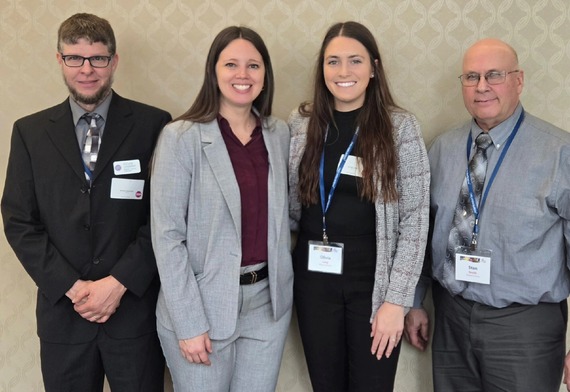 It is always great to welcome my friends from the Wayne County Farm Bureau during their annual advocacy trip to the Ohio Statehouse. I always appreciate the chance to connect with local farmers who take the time to travel to Columbus and advocate on behalf of the entire agricultural community. Hearing directly from those working in the industry helps ensure we’re supporting policies that keep Ohio agriculture strong.
First Joint Medicaid Committee Meeting of the Session
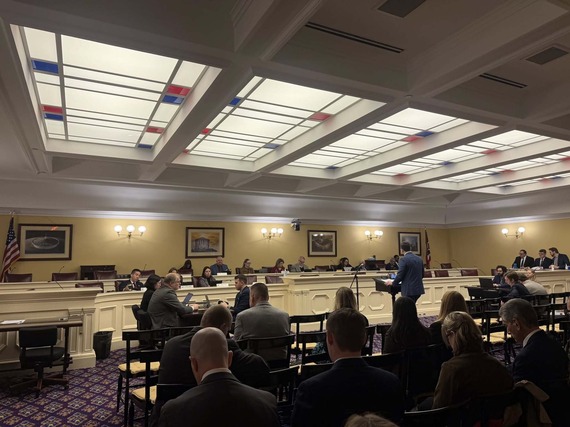 This month, we held our first joint meeting of the House and Senate Medicaid Committees. During the hearing, we welcomed newly appointed Medicaid Director Scott Partika, who provided an overview of upcoming Medicaid changes included in One Big Beautiful Bill and discussed the timeline for implementation.
The discussion also highlighted how recent reforms are already beginning to show real savings within the Medicaid program. These efforts are part of a broader goal to strengthen accountability in the system by reducing fraud and abuse while ensuring that individuals enrolled in Medicaid are connected to the care and managed services they need.
Medicaid should be a pathway to better health and greater independence. By emphasizing managed care, these reforms are designed to help enrollees improve their health, transition back into the workforce when able, and ultimately move toward employer-sponsored health coverage. I look forward to continuing to work with Director Partika and my colleagues as we evaluate these changes and ensure Ohio’s Medicaid program remains sustainable and focused on helping people achieve long-term stability.
Discussing Wayne County’s Future with Community Leaders
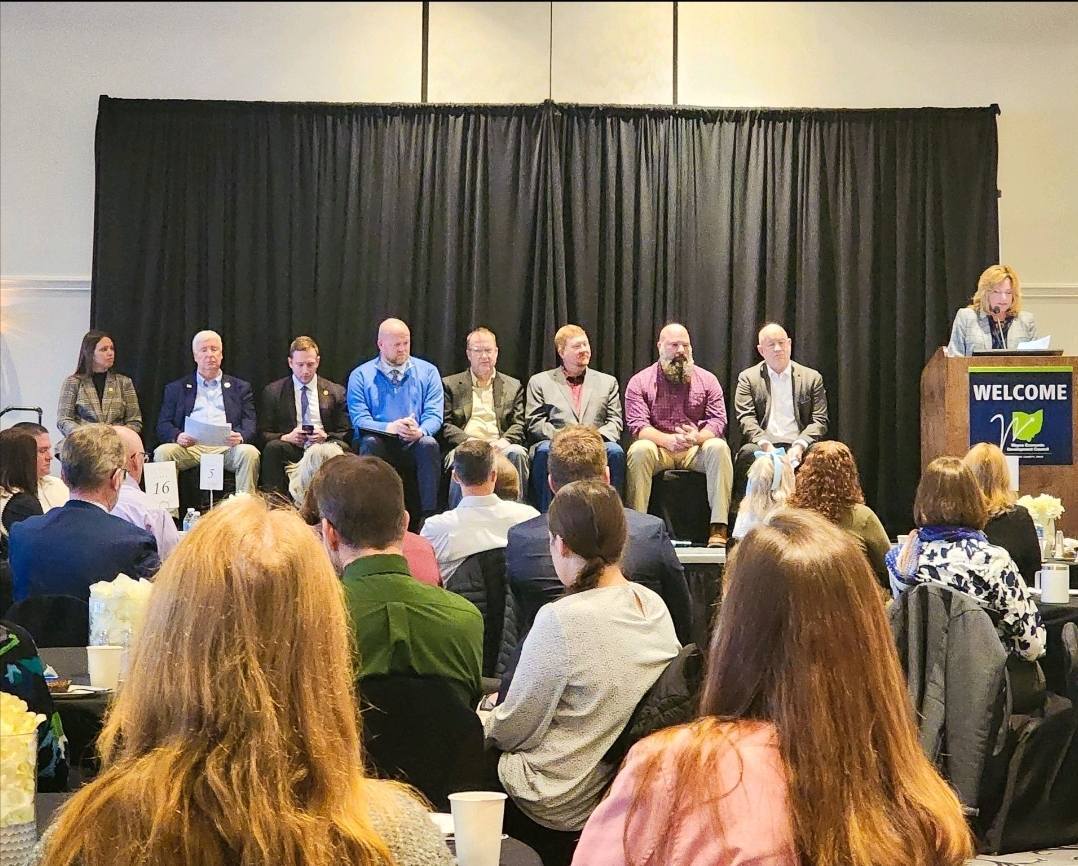 I was glad to attend the recent breakfast hosted by the Wayne Economic Development Council, where local leaders gathered to talk about the future of our community. It was great to join Congressman Max Miller, State Senator Al Landis, our county commissioners, and our city mayors for a conversation focused on the continued growth and success of Wayne County.
During the event, I shared a brief update on the Ohio House’s priorities for 2026 and discussed several initiatives I’m working on this year, including legal reform efforts, improving access to healthcare in rural communities, and other issues brought forward by constituents.
Many thanks to Maribeth, Phil, and Traci for organizing a wonderful event.
Stepping in as Chair!
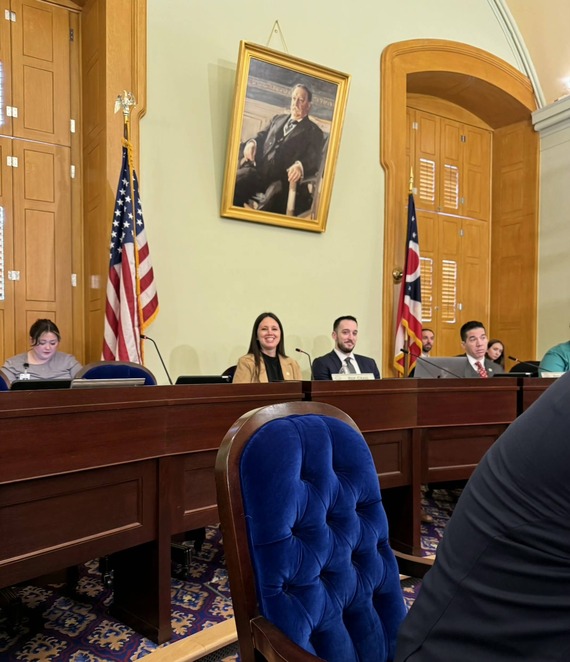 I was honored to chair my first full hearing of the Ohio House Insurance Committee. Leading the discussion and working alongside my colleagues on important insurance issues that impact Ohio families and businesses was a meaningful milestone. I’m grateful for the opportunity to serve in this role and look forward to continuing the committee’s work to advance thoughtful, pro-consumer, and pro-business insurance policy for our state.
Quarterly Wayne County Mayor’s Meeting
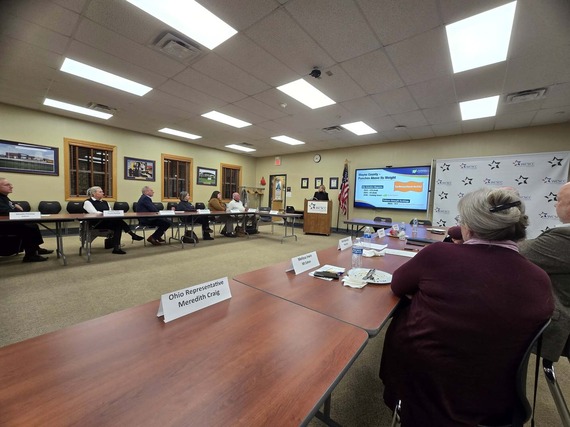 I had the opportunity to stop by the quarterly Wayne County Mayor’s Meeting to connect with many local village and city mayors, and we heard an update from the entire team at the Wayne Economic Development Council. It was a great opportunity to hear directly about the exciting projects happening across our villages and cities, and to discuss the future growth and priorities for Wayne County.
Celebrating Excellence at the Wooster Area Chamber Dinner
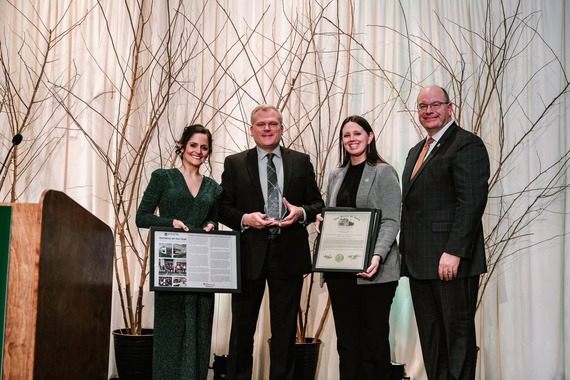 I had a fantastic time at the Wooster Area Chamber of Commerce annual dinner, honoring the incredible individuals and businesses making a difference in our community. Congratulations to all of this year’s honorees!
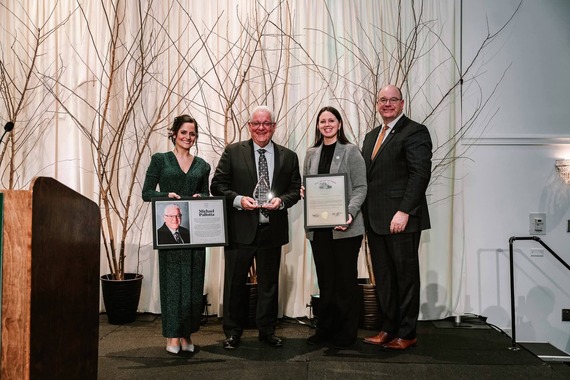
-
Wall of Fame Recipient: Mike Pallotta
-
Business of the Year: Apple Creek Banking Company
-
Jack O'Donnell Award: Corbett Coots
-
Mike Lezak Award: Joe Reynolds
-
Small Business of the Year (<15 employees): Murr Printing
-
Small Business of the Year (>15 employees): Gregg Orthodontics Wooster
-
Board of Directors Award: The Killbuck Savings Bank Co.
-
Leadership Wooster Alumni Award: Melanie Garcia
-
Worthy Works Award: YMCA of Wayne County
It’s always inspiring to see the talent, dedication, and impact happening right here in our community!
Learning About the Impact of Sacred Ground
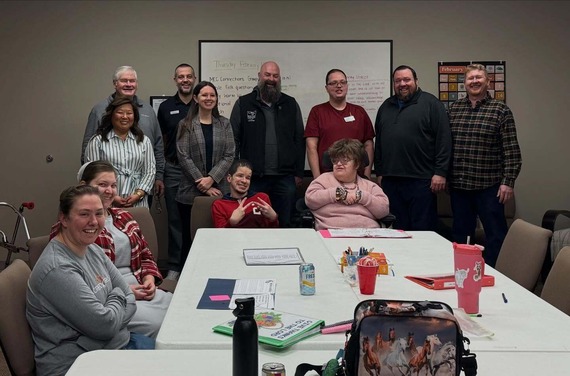 I had the opportunity to visit Sacred Ground with our county commissioners to learn more about the important work they are doing to support individuals with disabilities and their families in our community. Sacred Ground focuses on providing holistic care and programming that helps participants build social skills, develop life skills, and discover their unique gifts while fostering a strong sense of belonging and purpose. It was inspiring to see firsthand the compassionate environment they have created and to hear about the impact their programs are having on local families. I’m grateful for the opportunity to connect with their team and look forward to continuing to support organizations that make such a meaningful difference in the lives of those they serve.
Legislation Passed in the House
Over the last few weeks, the Ohio House has passed 19 bills over three sessions, addressing public safety and criminal justice, healthcare, business and economic development, and honoring our fallen Ohioan heroes.
I am proud of the hard work we have completed, but there is still much to be done! I look forward to continuing to fight for what matters most to District 77.
|