Greetings, Friends and Neighbors!
This week has been “Clickin” for Representative Click! The Representative attended several events and multiple meetings this week. Let’s look at what’s been happening at the Statehouse!
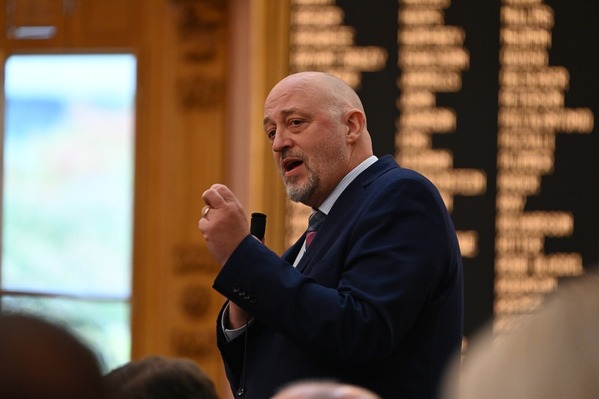
Representatives Gary Click and Kellie Deeter introduced new legislation to establish a bipartisan Data Center Study Commission. The commission would be composed of thirteen members: three appointees each from the Speaker of the House, the Senate President, and the Governor, along with two members appointed by the minority leaders of each chamber. The proposal comes in response to the rapid expansion of data centers across Ohio and the growing concerns expressed by residents in affected communities. Many Ohioans have reported difficulty separating fact from fiction and often feel their voices are not being heard as these projects move forward.
 |
Community concerns include the use of agricultural land, noise pollution, water usage and disposal, energy demand, national security implications, and other related issues. By some estimates, Ohio is home to approximately 200 data centers, with additional projects currently under consideration. Rather than repeatedly litigating these issues at the local level, the creation of a statewide study commission would provide a comprehensive and consistent forum for discussion. The commission would facilitate public dialogue from all perspectives and produce an official report to inform future policymaking. Initial feedback received by the sponsors indicates support for the commission from both proponents and opponents of data center development, all of whom share a desire to be heard.
“We have listened to the concerns of our communities and taken time to engage with industry stakeholders. We believe this approach ensures that every voice has a seat at the table,” said Representative Click.
We are very excited about this piece of legislation and are hopeful that this bill will move quickly once session resumes!
 Attorney General Yost recently submitted briefs regarding the SAFE Act. Yost argues that the SAFE Act is a constitutional exercise of the Ohio General Assembly’s authority to regulate medical care for minors. He contends that the law does not violate the Ohio Constitution’s Health Care Freedom Amendment because that provision does not create a right to obtain any medical treatment the legislature deems unsafe or inappropriate for children. According to Yost, the amendment allows the state to restrict medical practices when lawmakers determine they pose risks, particularly to minors.
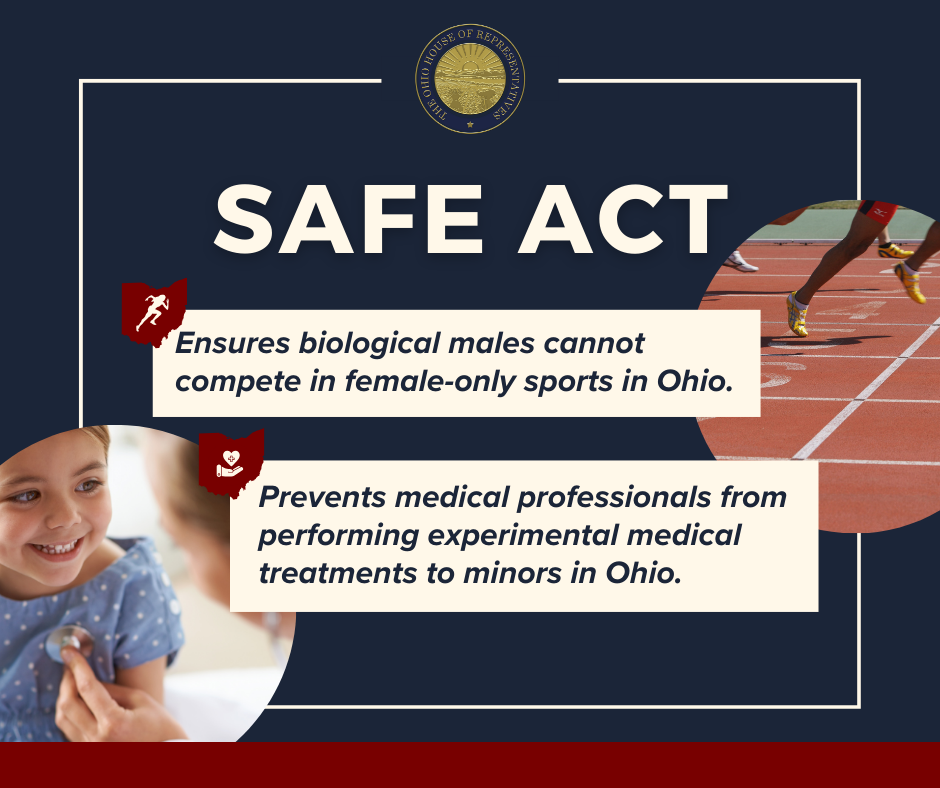 The briefs also assert that parents do not have a fundamental constitutional right to obtain gender-affirming medical treatments for their children, especially when those treatments carry irreversible effects. Yost argues that while parents have broad rights to direct their children’s upbringing, those rights have always been subject to reasonable regulation to protect child welfare. He emphasizes that the SAFE Act reflects legislative judgment aimed at protecting minors from what the state characterizes as experimental or insufficiently proven medical interventions.
Additionally, Yost criticizes the appellate court for relying heavily on medical consensus, warning that courts should not elevate evolving medical standards into constitutional mandates. He maintains that such policy decisions belong to elected lawmakers, not judges. The briefs urge the Ohio Supreme Court to reverse the lower court ruling and allow full enforcement of the SAFE Act while the case proceeds.
This week on “What’s Clickin” with Representative Click, we get to hear from the amazing Chloe Cole! Ms. Cole during her youth received transgender surgery. She is now an incredible voice for children who have been harmed by the transitioning movement.
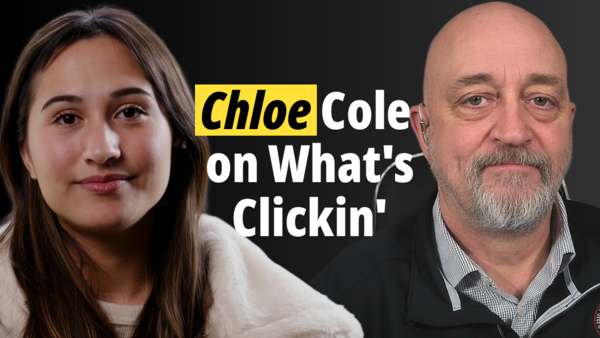 Listen to this week's episode on your favorite platform by clicking any of the links below.
Listen to 'What's Clickin? with Representative Click'
As always, if you have any questions, please reach out to our office at Rep88@ohiohouse.gov.
|