Wayne County,
It's an honor to serve you in the 77th House District. I am committed to working on conservative policy that delivers tax relief to Ohioans, spurs economic growth in our communities, and protects our second amendment rights.
This month has been an exciting one and I have several updates to share with you.
Sincerely,
State Representative Meredith Craig
|
Wayne County Board of Elections
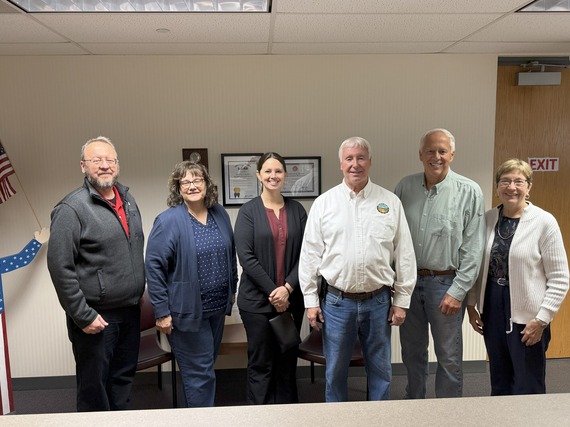
State Senator Al Landis and I had the opportunity to visit the Wayne County Board of Elections with Director Julie Leathers Stahl, Deputy Director Bryon Bell, and Board Members Charlie Hardman and Ann Obrecht. We had a great conversation about the important work they do to ensure our elections are secure, transparent, and accessible for local voters.
This year, the Wayne County Board of Elections was recognized as Ohio’s Board of the Year, a well-deserved honor that reflects their professionalism, dedication, and commitment to public service. Secretary of State Frank LaRose announced this award at the annual elections conference, which brought together officials from 85 counties to focus on election integrity, cybersecurity, and voter confidence ahead of the November election. Wayne County can be proud of this outstanding team and the example they set for the rest of the state.
Advancing Healthcare Solutions for Small Businesses
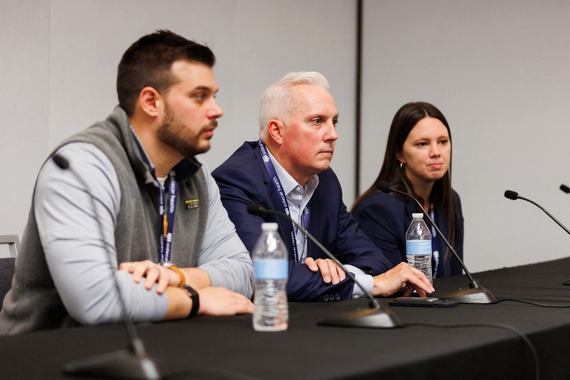
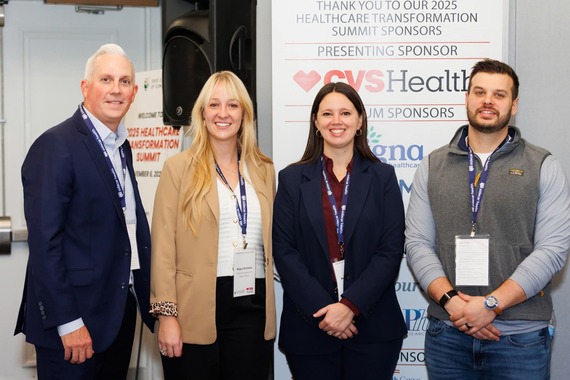 I recently joined a panel of experts at the Ohio Chamber of Commerce’s Healthcare Transformation Summit, including health insurance representatives and brokers, to discuss the challenges Ohio’s small group insurance market is facing. The conversation focused on the growing difficulty that small businesses face when trying to offer affordable health care coverage to their employees, particularly as costs in the small group market continue to rise due to state health insurance mandates and other factors.
During the panel, I highlighted my bill House Bill 133, legislation that would create a state tax credit for small businesses that offer an Individual Coverage Health Reimbursement Arrangement (ICHRA) to their employees. H.B. 133 is designed to give small businesses more flexibility and a practical, affordable option to help their employees access health care coverage. I appreciated the opportunity to engage with industry experts and business leaders on meaningful solutions that support Ohio’s small businesses and workforce.
Honoring Dalton Police Chief Eric McFarren
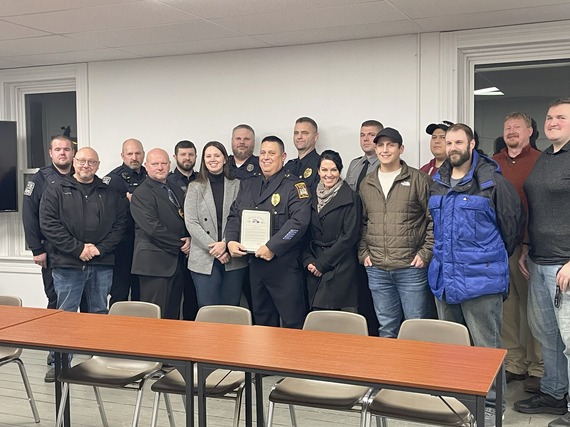 I was honored to attend a recent Dalton Village Council meeting to recognize Police Chief Eric McFarren for his extraordinary bravery and leadership during a dangerous, multi-agency police pursuit earlier this year in Wooster. Chief McFarren was formally presented with a Commendation for Valor by the Village of Dalton, and I was proud to present him with a Letter of Special Recognition from the Ohio House for his actions on April 2, 2025.
That day, multiple agencies, including the Ohio State Highway Patrol, the Wayne County Sheriff’s Office, the Medway Drug Enforcement Agency, and police departments from Dalton and Wooster, were involved in a high-risk pursuit that traveled throughout Wayne County and ended with gunfire near the State Route 3 and Cleveland Road bypass. Amid the coordinated response, Chief McFarren placed himself in extreme danger, using his cruiser to help stop the suspect’s vehicle as part of a unified effort to bring the incident to a safe conclusion.
Chief McFarren’s actions exemplify courage, integrity, and a deep commitment to public safety. His split-second decision-making, which he credits to his training and experience with the U.S. Marshals Fugitive Task Force, helped protect fellow officers and the public during an incredibly volatile situation. Thank you to Chief McFarren and all our law enforcement officers for their selfless service and dedication to keeping our communities safe.
Visiting Wooster Christian School
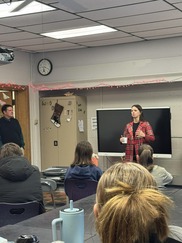
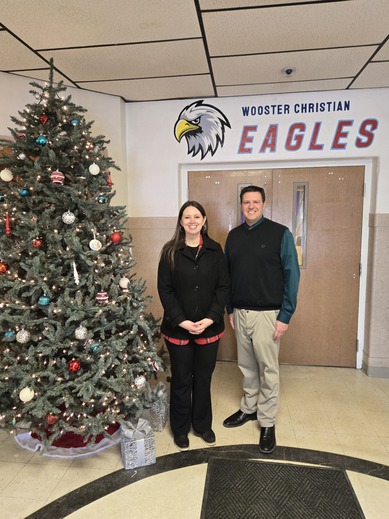
I recently had the pleasure of visiting Wooster Christian School. It was great to tour the building and see firsthand how the school has creatively repurposed the former Wooster Township Elementary building to serve its growing PreK–12 student population.
During my visit, I had the opportunity to speak with the 8th grade and sophomore history classes, answering thoughtful questions about the differences between state and federal government and what it’s like to serve as a state legislator. The students were engaged, curious, and asked excellent questions.
|
I’m grateful to the students, teachers, and staff for the warm welcome and hospitality, including a fantastic lunch prepared by the From Scratch 10:31 School Lunch Crew. Wooster Christian School continues to do great work educating and investing in the next generation, and it was a joy to spend time with them. Go Eagles!
Celebrating Ohio Agriculture at the Soybean Association Annual Dinner
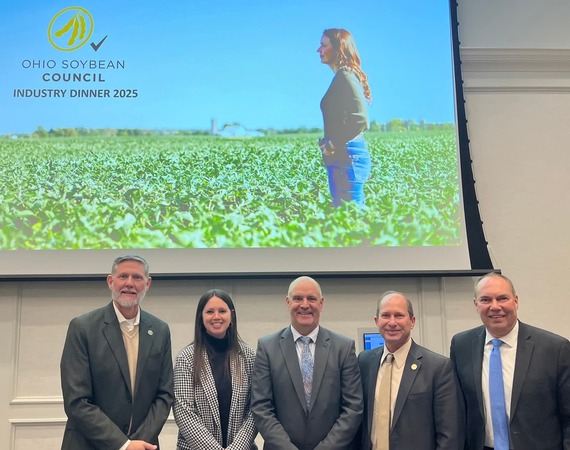 I enjoyed attending the 2025 Ohio Soybean Industry Dinner with my colleagues Reps. Roy Klopfenstein, Bob Peterson, and Joe Miller. The annual dinner was a great opportunity to celebrate the people, partnerships, and innovation that keep Ohio’s agricultural industry strong.
It was great to hear an update from Ohio Department of Agriculture Director, Brian Baldridge, on the work being done to support Ohio farmers and strengthen our state’s agricultural economy. I appreciate the important advocacy of the Ohio Soybean Association and the Ohio Soybean Council, whose leadership continues to support Ohio’s #1 industry — agriculture.
Israel Trade & Business Mission
 Earlier this month, I had the privilege of joining a bipartisan delegation on a trade and business mission to Israel. Our focus was on strengthening economic, educational, and cultural ties between Ohio and Israel, and the trip offered a unique opportunity to see firsthand the people, history, and innovation that make this nation so remarkable.
During our visit, we met with Israeli leaders across multiple sectors — from municipal government to higher education, startups to health care, and journalism to defense. We visited a variety of communities and regions, including Jerusalem, Tel Aviv, Bethlehem, the West Bank, the Gaza Envelope, and the northern border along Lebanon, allowing for a broad perspective on both everyday life and ongoing geopolitical challenges.
I was inspired by the courage, resilience, and ingenuity of the Israeli people. Young leaders in business, technology, and venture capital balance military service, family life, and entrepreneurship, tackling complex societal challenges while thriving in an environment that is both beautiful and hazardous.
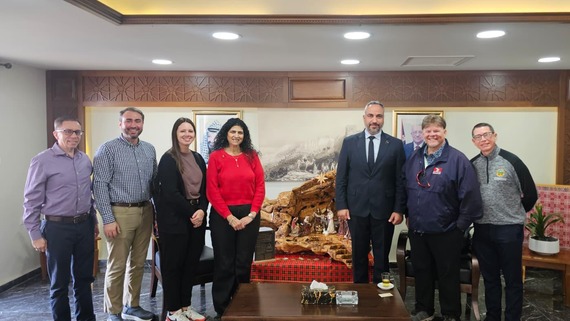 The country itself is breathtaking, echoing the biblical description as “a good and broad land, a land flowing with milk and honey” (Exodus 3:8). At the same time, it bears the scars of persistent conflict. We visited the Nova Festival site that was overrun by terrorists on October 7, 2023; Yad Vashem, Israel’s national Holocaust memorial; and ground zero of the missile strike on a civilian target in Bat Yam near Tel Aviv. All offering sobering reminders of the realities Israel faces daily and reinforcing my appreciation for the dedication of public servants and elected leaders working in this environment.
The experience further validated my support of House Bill 188, bipartisan legislation to create the Ohio Israel Trade and Innovation Partnership, which passed the House in early November. This partnership will deepen economic development and innovation ties between our communities.
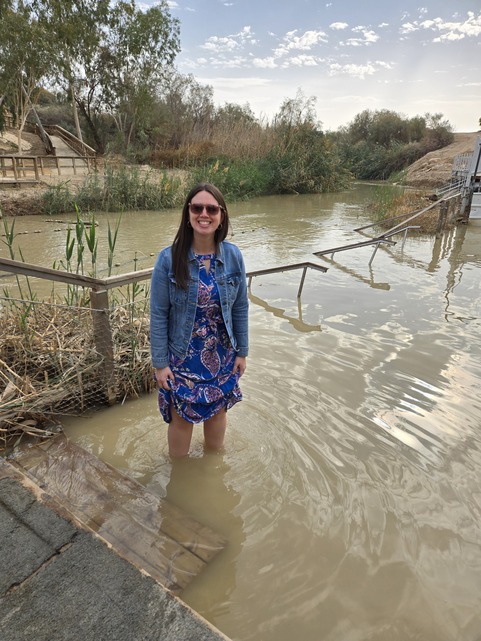
On a personal note, it was deeply meaningful to visit Bethlehem, Nazareth, the Jordan River, and Jerusalem — walking in the footsteps of Jesus and reflecting on the profound history of the Holy Land.
It was an unforgettable experience, blending commerce, culture, history, and faith. I look forward to continuing these partnerships for the benefit of Ohio and Israel alike.
*This trip involved no taxpayer dollars.
Historic Property Tax Reform Signed by Governor DeWine
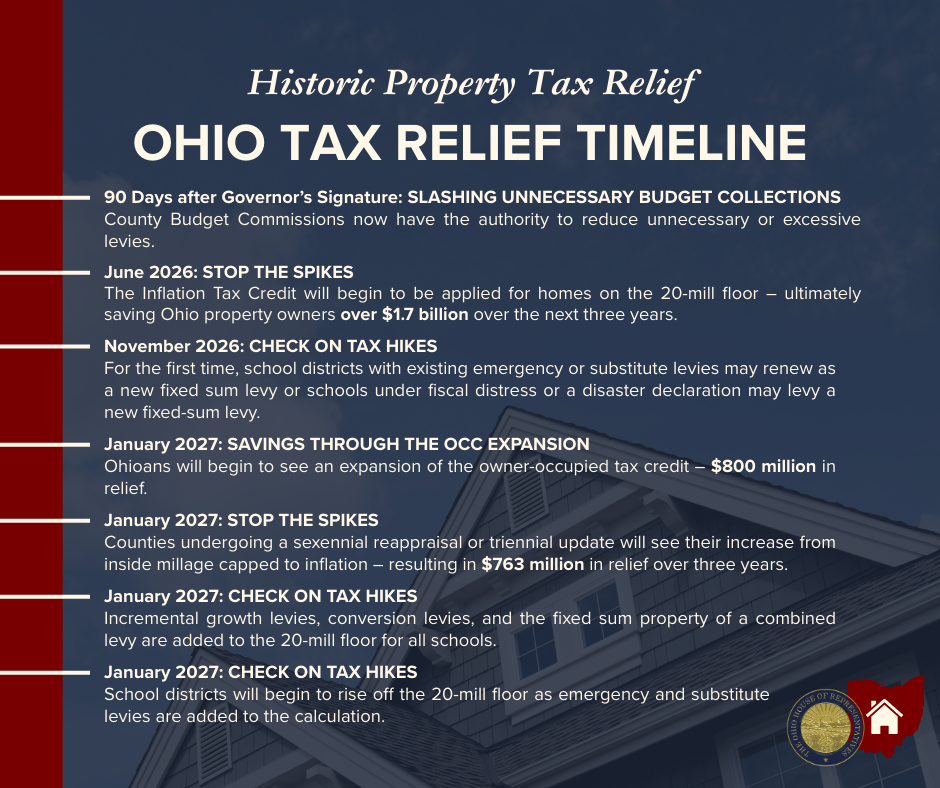
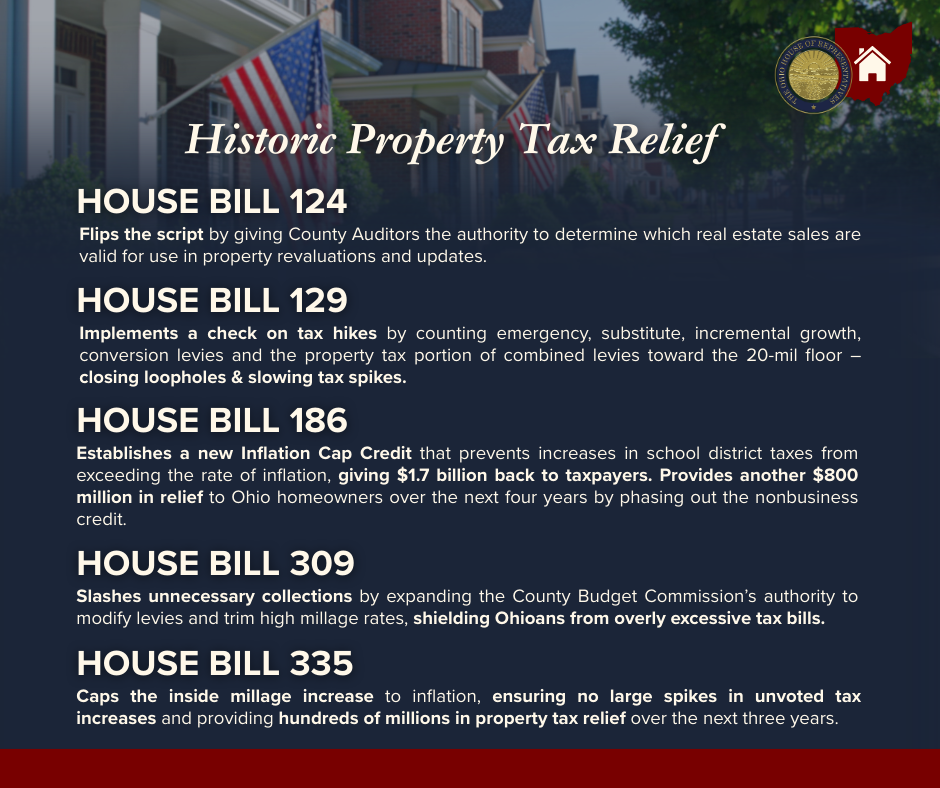 On December 19, Governor DeWine signed House Bills 124, 129, 309, 186, and 335 – five initiatives championed by House Republicans that work to curb tax hikes and deliver direct property tax relief to Ohioans, totaling more than $3 billion in savings.
STOP THE SPIKES - 20-MILL FLOOR INFLATION CAP
House Bill 186 will save Ohio property owners nearly $1.7 billion over the next three years by establishing a new Inflation Cap Credit that prevents increases in school district property taxes from exceeding the rate of inflation. The initiative also includes an appropriation holding Ohio school districts harmless for actual losses over this appraisal period compared to their current property tax collections, which will help schools that are not up for reappraisal or reevaluation this year offset any actual revenue losses. Ohioans will begin to see relief through this credit as early as June 2026.
Members of the House also approved changes in the bill that would update the owner-occupancy tax credit, a move that will provide more than $800 million in relief to Ohio homeowners over the next four years. The bill phases out the nonbusiness credit – except for agricultural property owners – and expands the owner-occupancy tax credit. Ohioans will begin to see relief through the expansion of the OCC in January 2027.
STOP THE SPIKES - INSIDE MILLAGE INFLATION CAP
House Bill 335 caps increases in inside millage collections to the rate of inflation. The bill requires county budget commissions to adjust the rate of each inside millage levy so that it does not grow by more than the sum of the three previous years of inflation. This happens during the county’s sexennial reappraisal or triennial update. The net effect of this provision totals between $621 million and $763 million in property tax relief over the next three years. Ohioans will begin to see relief through this cap in January 2027.
A CHECK ON TAX HIKES
House Bill 129 implements a check on tax hikes by counting emergency, substitute, incremental growth, conversion levies and the property tax portion of combined levies toward the 20-mill floor – closing loopholes and slowing tax spikes. This measure ultimately lifts 237 districts off the 20-mill floor over the next four years.
The bill also provides a new alternative levy option. School districts with an existing emergency or substitute levy may renew these levies indefinitely as a “fixed sum levy.” The bill also allows schools in fiscal distress, as designated by the Auditor of State, or under a disaster declaration to levy a new one-time 5-year “fixed sum levy” to cover current expenses. These options provide additional flexibility for school districts.
MINIMIZING UNNECESSARY COLLECTIONS
House Bill 309 slashes unnecessary collections by expanding the county budget commission’s authority to modify levies and trim unnecessarily high millage rates, shielding Ohioans from overly excessive tax bills.
FLIP THE SCRIPT
House Bill 124, also known as “Flip the Script,” empowers county auditors to have greater oversight over determining property tax sales information used for determining property valuations.
 These five bills build on the legislative work already accomplished by the Ohio House through the state budget, including a provision that allows boards of county commissioners to provide direct relief to seniors, disabled veterans & families of first responders through homestead exemptions, and up to 2.5% owner-occupancy tax credits.
If you have any questions or want additional information, please contact our office by emailing Rep77@ohiohouse.gov.
Fighting for Rural Independent Hospitals
As co-chair of the Ohio House Rural Hospital Caucus, I recently joined my colleagues in urging Governor DeWine to prioritize independent rural hospitals as Ohio implements the federal Rural Health Transformation Program (RHTP). In a letter sent to the Governor, we asked that Ohio use its allowable provider-payment dollars under the program to support rural hospitals that are not part of large hospital systems and do not have access to other state-directed or supplemental funding streams.
Independent rural hospitals are facing severe and growing financial pressures, yet many are excluded from programs designed to stabilize hospital finances. These facilities are often the largest employers in their communities and provide essential services like emergency care, obstetrics, behavioral health, and primary care — services that are difficult or impossible to replace if a hospital closes or is forced to consolidate. When consolidation becomes the only option, communities often see reduced services, loss of local control, and higher long-term health care costs.
Federal guidance allows Ohio to dedicate up to 15% of RHTP funds toward provider payments to address uncompensated care and other essential services. Our request is simple: use this flexibility to help stabilize independent rural acute-care hospitals that currently lack access to other supplemental payments. This includes hospitals serving communities across Ohio, including Wooster Community Hospital here in Wayne County.
Prioritizing these hospitals will help preserve local health care access, protect thousands of rural jobs, and maintain competition in Ohio’s health care system. While the General Assembly continues to evaluate long-term solutions for rural health care sustainability, this targeted approach would provide much-needed stability and ensure rural communities are not left behind.
A Strong First Year at the Statehouse
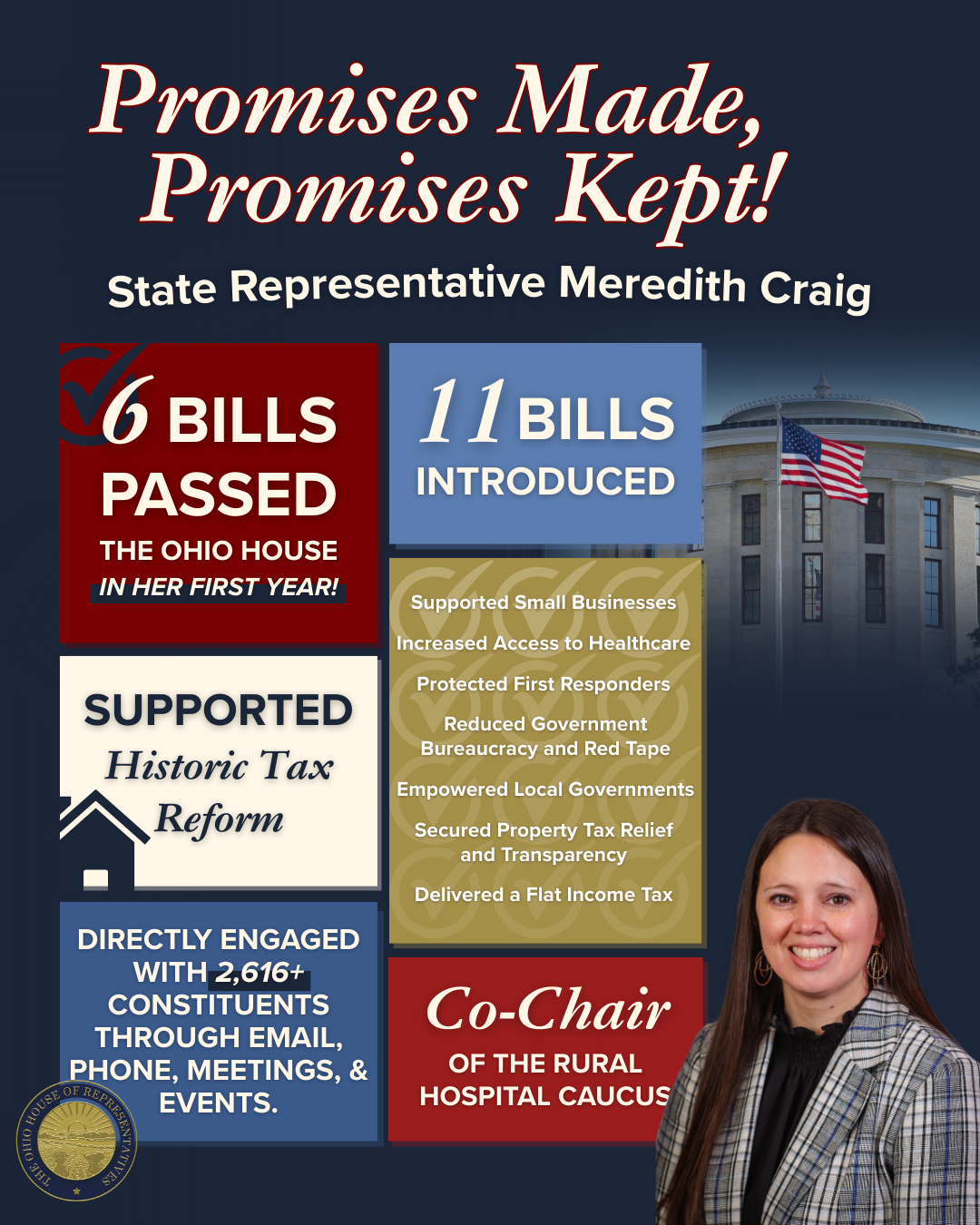 As my first year in office wraps up, I’m proud to share that I’ve introduced eleven bills, and six have already passed the Ohio House. We passed historic property tax reform that the Governor has signed, flattened the state income tax, and continue working toward eliminating it entirely.
Serving our community has been an incredible honor — from helping constituents navigate state bureaucracy to answering questions about state law, we’ve assisted thousands of Ohioans this year. It’s an honor to work for you, and I’m excited for all the great things ahead in the final year of my two-year term. Thank you!
|