|
The Drinking Water Source Protection Program (DWSP2) implements proactive protection actions at the local level focused on improving and maintaining water quality. One action that can be taken is acquiring land for the purposes of source water protection. Land use can be managed appropriately to prevent any potential contaminants from reaching the source water. Acquisition of land also supports other environmental initiatives, including flood plain management, climate resiliency, and improved water quality that communities may benefit from.
This month’s newsletter highlights the co-benefits of source water protection that have come from land acquisition through the New York State Department of Environmental Conservation (NYSDEC) Water Quality Improvement Project (WQIP) Program Land Acquisition for Source Water Protection.
Read on to learn about the WQIP Land Acquisition for Source Water Protection Program, and how local land trusts have successfully protected public water supplies through land acquisition while providing other benefits to the surrounding community and environment.
New York State’s WQIP Program is a competitive, statewide reimbursement program. The WQIP Land Acquisition for Source Water Protection, one of several WQIP project types, offers funding assistance to municipalities, land trusts, and soil and water conservation districts to purchase land and/or conservation easements to protect their public drinking water. Municipalities with an approved DWSP2 can potentially be awarded more points when applying for WQIP Land Acquisition for Source Water Protection. The next DWSP2 newsletter will break down upcoming funding opportunities available through the Consolidated Funding Application (CFA).
Acquiring and/or protecting land to safeguard public water supplies may prevent potential contamination from reaching the source, which helps avoid paying preventable drinking water treatment costs, increases resiliency and community confidence in public drinking water, and supports other environmental interests of awardees (e.g. climate resiliency).
Additionally, acquiring and protecting land through the WQIP Land Acquisition for Source Water Protection Program allows awardees to steward the land, managing its use to ensure protection of the nearby public water supply and other co-benefits. These and future acquisitions also support New York’s 30x30 Initiative, which commits to conserving 30 percent of land and waters by 2030.
Continue below to learn about projects from two WQIP awardees, Western New York Land Conservancy (WNYLC) and Thousand Island Land Trust (TILT), that protect the local public water supplies and contribute to other community initiatives.
WNYLC works with landowners, municipalities, and other organizations to permanently protect Western New York’s most cherished natural areas and working farms. WNYLC successfully applied to the WQIP Land Acquisition for Source Water Protection program in 2021 and was awarded $2,000,000 to identify and permanently protect multiple properties in the Black Creek-Angelica Creek watershed in Allegany County.
In addition to protecting public drinking water sources through land purchase or conservation easements, WNYLC will also restore riparian buffers and wetlands and stabilize stream banks as needed. This project will protect local public water supplies, conserve land for wildlife, and continue to increase local resiliency to flooding. Five properties, totaling 539 acres, will be protected through this grant.
Worden Wetlands
WNYLC has already utilized their 2021 WQIP Land Acquisition for Source Water Protection grant to permanently protect land in the Black Creek watershed by working with enthusiastic landowners in the project area. One of those properties, the Worden Wetlands, is a 180-acre mix of forest and wetlands.
“The Worden Wetlands property is an amazing example of the power of the WQIP program. We have been able to work with the landowners to permanently protect the environmentally significant wetlands and forests on their property, while ensuring they can continue their multigeneration family farm.” - WNYLC Executive Director, Marisa Riggi
Allegany County Flooding and Worden Wetlands Impact
Wetlands are transition areas between uplands and aquatic habitats and are valuable to both people and the environment of New York State. Some of the valuable functions and benefits that wetlands perform include:
- Flood and Storm Water Control
- Surface and Groundwater Protection
- Erosion Control
- Pollution Treatment and Nutrient Cycle
- Fish and Wildlife Habitat
- Public Enjoyment
WNYLC’s acquisitions and current projects protect wetlands and other parcels of land and serve as great examples of protection initiatives that extend beyond source water protection.
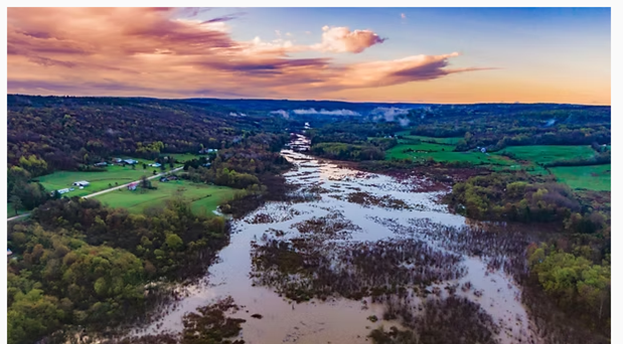
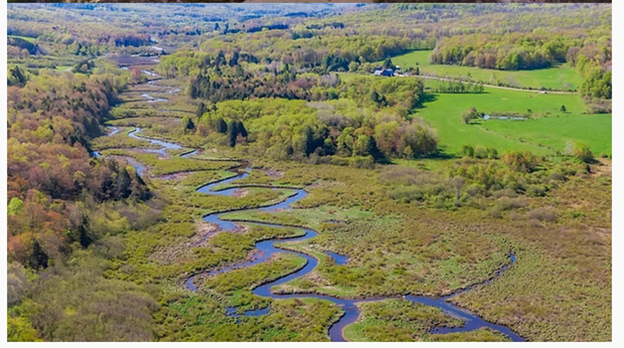
Allegany County and surrounding areas experienced more than 3.5 inches of rainfall between May 2 and May 6, 2025. Due to this major rain event, many areas faced road closures and flooding. The successive images below demonstrate the impact the conserved properties had on the area, showing the difference in water levels over the six days following the flooding event.
The wetland area immediately following the flooding event. Photo by Calvin Nemac.
The wetland and water levels six days later. Photo by Calvin Nemec.
The conserved wetlands have provided critical flood and storm water control functions to the local community, as seen in the photo above, during the storm. In six days, the wetlands were able to absorb and mitigate flooding impacts, reducing impacts on other aspects of the community (e.g. roadways). “Wetlands are nature’s sponges” says Marisa Riggi, “and ensuring they are protected and not drained or paved over means that both humans and plants and animals will benefit in the future.”
Black Creek Preserve
Another highlight from WNYLC’s 2021 WQIP Land Acquisition for Source Water Protection contract includes the acquisition of the Black Creek Preserve. This new nature preserve is the combination of two privately owned parcels totaling 275 acres with more than 7,500 feet of shoreline along Black Creek. This property will eventually be accessible to the public, allowing visitors to learn more about the importance of wetland habitats and water protection.
The Black Creek Preserve also provides critical fish and wildlife habitat. Wetlands are one of the most productive habitats for feeding, nesting, spawning, resting and cover for fish and wildlife, including many rare and endangered species.
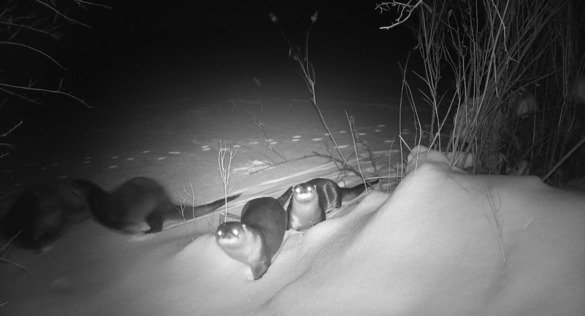
A family of river otters have moved into the Black Creek Preserve, illustrating an example of restorations of species and habitats.
In the late 1990s, the New York River Otter Project aimed to restore river otters to the watersheds of Western New York.
“We were thrilled to capture this family of river otters on our game camera. This is evidence of a healthy and biodiverse watershed and confirms the importance of protecting these properties through the WQIP program." - WNYLC Executive Director, Marisa Riggi
By conserving this property through the WQIP Land Acquisition for Source Water Protection program, the property serves as an initiative to protect local water supplies and habitat for the river otter.
Thousand Islands Land Trust (TILT) has been a participant in the WQIP Land Acquisition Program since the program began in 2017 in order to help protect local water supplies and the stunning landscapes that make the Thousand Islands so special. Since 1985, they have worked with landowners and communities to conserve the natural beauty of the region through land acquisitions, conservation easements, and creating accessible public spaces for all to enjoy. The acquisitions and easements also protect the source water(s) that serve local communities.
Today, TILT safeguards over 14,500 acres of diverse ecosystems – from vibrant wetlands to lush woodlands and expansive grasslands. Their conservation efforts include 10 Signature Preserves, featuring 22 miles of scenic trails open year-round. One of these preserves includes a property conserved through the WQIP Land Acquisition for Source Water Protection Program.
Schmeer Property
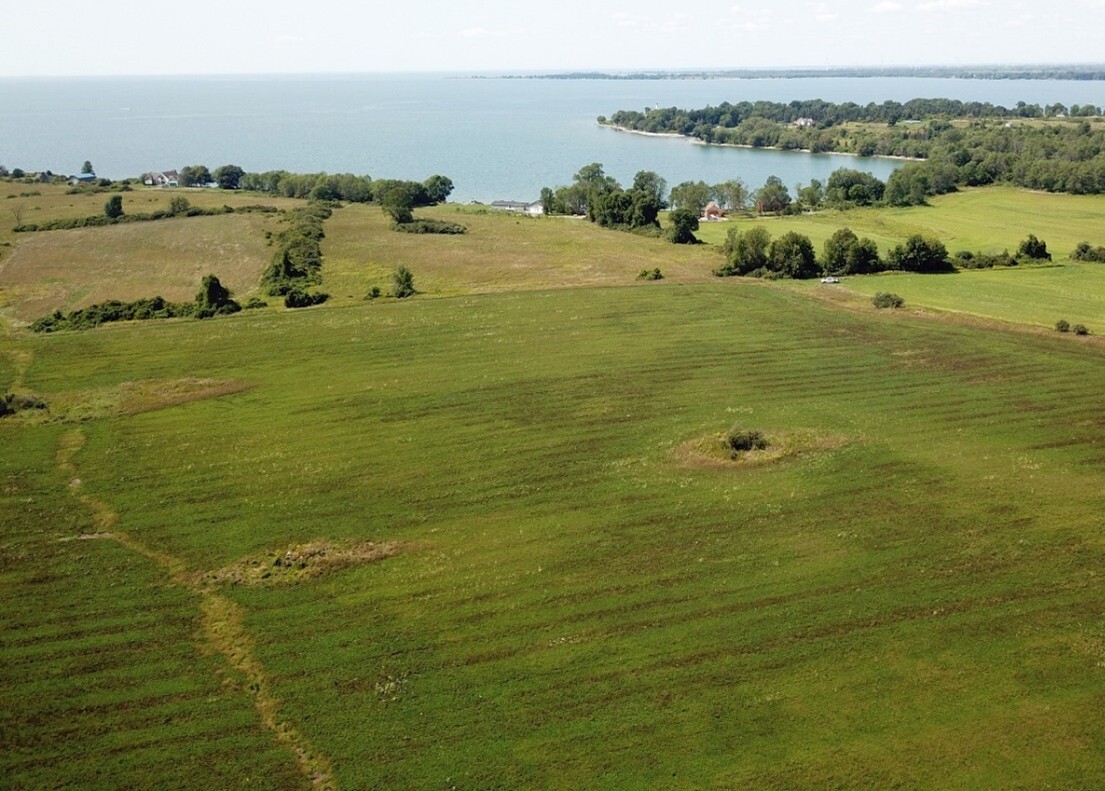
Through support from the WQIP Land Acquisition Program, TILT acquired the Schmeer Property, which comprises approximately 212 acres at the mouth of the St. Lawrence River in Cape Vincent, just upstream of the municipal drinking water intake. Formerly managed as intensive row-drop agriculture the property was restored to native upland meadows through additional funding partnerships, improving source water protection, reducing runoff, and enhancing shoreline stability while creating valuable grassland bird habitat. The project now also includes DEC-approved hiking trails, providing opportunities for outdoor recreation alongside its conservation benefits.
“The Schmeer Project demonstrates how strategic land acquisition and restoration can directly protect drinking water while delivering lasting benefits for habitat and community use. Adjacent landowners have already reported improvements in their private well water following the restoration, and the conservation of this property will benefit all downstream water users.” - Associate Director of TILT, Spencer Busler
The Schmeer Property shortly after a reseeding from agricultural to native grasslands.
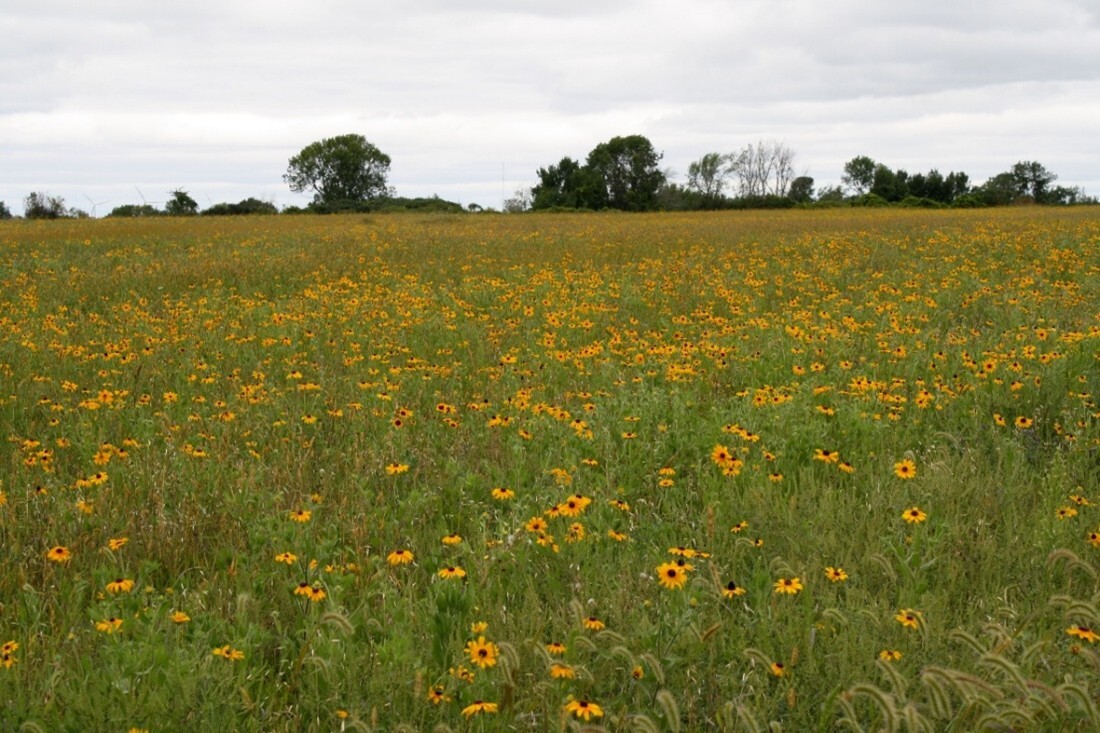
Black-eyed Susans growing on the Schmeer Property after the reseeding.
Local land trusts play an important role when acquiring land for the purposes of source water protection, which can mitigate potential contaminant sources before they reach the source. Local land trusts may be identified in DWSP2s as potential partners for municipalities to work with.
Land trusts may offer experience in real property acquisitions and are great potential partners for municipalities when looking to acquire land for the purposes of source water protection. Land trusts may also offer beneficial partners for future stewarding efforts and conservation of additional open space.
Municipalities can take advantage of land acquisition for multiple purposes, including flood and climate resilience, habitat restoration, and increased recreational opportunities for the local community.
Stay tuned for the next DWSP2 Newsletter, which will cover WQIP funding opportunities for source water protection in anticipation for the upcoming Consolidated Funding Application (CFA) Round 22 Grant applications, slated to open in May of 2026.
Hosting an event, webinar, or conference in 2026? Reach out to us at source.water@dec.ny.gov to schedule a presentation or tabling event. If you would like to learn more about DWSP2 and how it could help your municipality, fill out our Interest Form and a member of the DWSP2 team will contact you to discuss further.
Missed the previous edition? Visit the DWSP2 Newsletter Archive to stay up to date.
Have you begun the DWSP2 process? Or do you have a program or are you aware of a program relevant to source water? Send in any helpful hints or information at source.water@dec.ny.gov and we may highlight them!
Follow DEC on Instagram to see what more you can learn about Connecting Climate Change to Drinking Water.
|