In this issue:
-
Green Jobs for Youth Grant: $4 million in Environmental Justice Green Jobs for Youth Grants are now available to help youth in environmental justice communities develop skills training and promote job placement in various green industries. DEC’s Office of Environmental Justice is launching this second round of Green Jobs for Youth funding with a focus on skills training. Applications due January 28, 2026, at 3:00 pm.
-
Ongoing Public Engagement: Statewide Community Air Monitoring Initiative Meetings – DEC undertook a statewide community-based air quality monitoring effort, focused on ten disadvantaged communities with high air pollution burdens around the State. Check the 2022-23 Statewide Community Air Monitoring Initiative webpage for the latest developments on the project.
-
Environmental Notice Bulletin (ENB): Check out the various projects in NYS on the Environmental Notice Bulletin (ENB).
Air Mail! is the publication to announce public and stakeholder information about air quality topics. All NYS residents are environmental stakeholders – we welcome anyone to join the information sessions and other opportunities posted here.
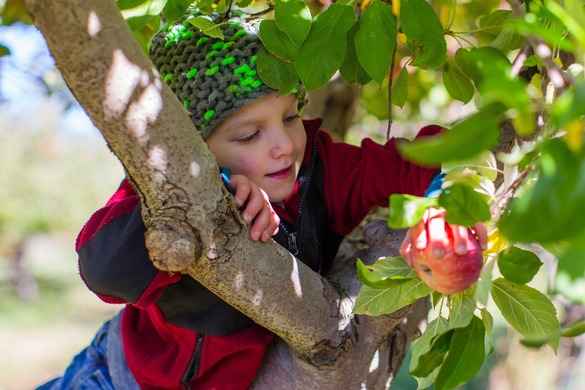
Whether at a playground, park, playing during recess or even in their backyard, kids spend a lot of time outside. While this behavior should be encouraged, it’s also important to keep an eye on the daily air quality. October is National Children’s Health Month. During this time, extra emphasis is placed on children’s health and all the factors that may impact it, including air pollution. Due to their still-developing organs and small size, children are especially vulnerable to the effects of polluted air. Additionally, as children tend to be more active outside, they can breathe harder, taking in more air pollutants.
Air pollution has been linked to a variety of health conditions. Exposure can cause coughing, shortness of breath, and irritation of the eyes and throat. Air pollution can also cause asthma symptoms to worsen and trigger asthma attacks. Children exposed to particulate matter (PM) are more likely to develop asthma in the future. In addition to asthma, exposure to air pollution can lead to heart and lung conditions.
There are many steps you can take to help the next generation grow up and breathe healthier air. Protect yourself and your loved ones' health by checking the daily Air Quality Index (AQI) forecast and avoiding outdoor activity on poor air quality days. Taking on green actions, such as joining a community solar project, can help keep the air clean so it can be enjoyed every day by everyone. Protecting our air is protecting our children’s health and their futures.
Particulate matter (PM) comes in many sizes, ranging from larger granules the size of sand to particles so small that they are microscopic. One of the most common forms of PM is black carbon, also known as soot. Black carbon is released into the air when fuels are burned, including gasoline, diesel, coal, and wood. Using diesel fuel to power equipment, vehicles, and to create energy is the largest source of black carbon in developed countries.
Black carbon is an air pollutant that can cause detrimental environmental and health effects. Black carbon can be harmful to our health primarily due to its extremely small size. These very tiny particles can be inhaled deep into our lungs and even enter the bloodstream. Particulate pollution can trigger asthma attacks and contribute to heart and lung disease. Black carbon can also decrease visibility, in the form of hazy skies. Black carbon contributes to climate change due to its ability to absorb sunlight and warm the atmosphere.
As mentioned in the article above, the Air Quality Index (AQI) forecasts the daily PM and ozone levels. While NYS is fortunate to experience clean air on most days, some days may have poor air quality. Soot can elevate PM levels. In recent years, NYS has seen several summertime wildfire smoke events that have caused PM levels statewide to spike. You can help reduce the amount of black carbon in our air by making sustainable choices in your daily life. Whether it's taking the bus to run errands, turning off lights when not needed, or following open burning regulations, doing your part helps to keep the air we all breathe clean. Let’s keep ourselves and families healthy by checking the AQI before heading out to stay informed about our air quality.
 Wildfires can create large plumes of smoke containing a variety of air pollutants, including black carbon, making the air near the fires unhealthy to breathe. Follow the open burning regulations for your area to help prevent wildfires, especially when very dry or windy conditions exist.
If you take a walk outside, you might hear the telltale crunch of a fallen leaf under your foot. Autumn is in full swing, meaning the orange, yellow, and red leaves are falling. When tending to your yard this autumn, consider the environmental impact of lawn care. Most people deal with fallen leaves by using lawn mowers or leaf blowers. However, gas-powered tools have a negative effect on air quality. As fuel is burned, it releases harmful emissions, including greenhouse gases (GHG) and particulate matter (PM). Air pollutants can cause various health concerns, including shortness of breath, coughing, and exacerbation of asthma symptoms. Certain groups, including children, the elderly, and individuals with pre-existing conditions, are more susceptible to the adverse effects of poor air quality.
In 2024, DEC committed to transitioning to all zero-emission lawn maintenance equipment, including mowers and leaf blowers. You can join the effort to keep our State’s air clean by making the switch to zero-emission yard and maintenance tools. Not only will it reduce emissions, but it can also save money on fuel costs. You can take on additional sustainable yard and garden habits, such as planting native plants and opting for chemical-free alternatives. NYS is known for its beautiful lands, and you can help maintain them by taking on green and sustainable habits.
 |
-
DECinfo Locator – An interactive map that lets you access DEC documents and public data about the environmental quality of specific sites in NYS as well as outdoor recreation information.
-
DEC Delivers – Stay in-the-know by subscribing to the environmental topics that interest you. We will send you information, updates, and e-newsletters on the topics of your choosing. As an Air Mail! subscriber, you may be interested in subscribing to the Air Quality Alert topic so you know when air quality levels are a concern in your area.
-
DEC Does What?! – Check out our new podcast, which highlights what DEC does to protect our environment.
-
AQI Forecasts – Check the daily ozone and particulate matter pollution forecast for your area of NYS.
-
NYSDEC YouTube – Keep up with what's going on with DEC staff by subscribing to our YouTube channel. Watch video clips of DEC public protection in action, learn about the Hudson River, or watch the latest episode of "On the Front Lines," DEC's video series.
-
Conservationist – NYS’ premiere outdoor magazine--bringing nature to your door! Published six times a year, Conservationist is a NYS-focused magazine that is packed with informative and entertaining articles, first-rate photography, and stunning artwork. Articles cover a broad range of environmental and natural history related topics. Subscribe today to get a piece of the outdoors in your mailbox.
-
Through October: Fall Foliage Report – Before you head out on your leaf-peeping adventure, check out the fall color report from “I Love New York”. The Adirondack and Catskill Mountains are breathtaking this time of year. Remember to be safe and respectful when hitting the trails.
-
October 24 through 31: Bat Week – Bats are the mammals of the night skies. Unfortunately, many species of bats have seen severe population declines over the past decade. Be considerate to bats in our midst and remember to help keep the night air clean, too.
-
October 31: Halloween – Consider keeping your trick-or-treating local by walking house to house or to outdoor fall celebrations. It will help keep our air clean.
-
November 15: New York Recycles Day – Participate in this year’s celebration by buying recycled-content items and gifts for your holiday and birthday celebrations. Choose to reuse, reduce and recycle in your daily life and educate others on the benefits of keeping the environment sustainable for future generations.
-
November 16: The National Environmental Education Act was signed in 1990. Pass along a love of nature to the next generation by teaching children about our environment. Don’t know where to start? Check out the Conservationist for Kids magazine for some ideas.
-
November 17: National Take a Hike Day – Grab your favorite hiking shoes and set out to enjoy the fresh air. Be sure to check the Air Quality Index before heading out, and remember to follow these hiking rules.
-
November 27: Thanksgiving is an opportunity to compost your food waste, which can help reduce greenhouse gas emissions from landfills.
NYS' ozone season runs from April through September. DEC publishes ground level ozone forecasts during ozone season and particulate matter pollution forecasts year-round, using a scale called the Air Quality Index (AQI). DEC sends out an air quality alert when there is a high AQI value, which indicates polluted air. Individuals with pre-existing respiratory or cardiovascular conditions and people who exercise outdoors should take caution during an air quality alert.
The AQI can be accessed in four ways:
Did you enjoy reading this issue? Perhaps your friends and family would too. Share Air Mail! by using the “Share” button below. If you would like to receive Air Mail! in your own email box, sign up now!
We would also like to know what you think. Send your Air Mail! questions and comments to the team at DAR.web@dec.ny.gov.
|