Tips for an Eco-Friendly Lawn
Seven Tips for an Eco-friendly Lawn
It’s spring and lawn care is on the minds of many Long Islanders. Fertilizer is often thought of as a key ingredient to a healthy, vibrant lawn but fertilizer use, especially improper application, can be harmful to the environment. Excess nitrogen in fertilizer pollutes our waterways, negatively impacts aquatic life, and interferes with fishing, swimming and boating. In fact, fertilizer is the second leading source of nitrogen contamination of Long Island waters; residential wastewater is the primary source.
In this issue of the LINAP newsletter, we review several ways to care for your lawn while protecting Long Island's water resources, including the drinking water supply.
Most important, fertilizer should not be applied before April. Grass simply cannot efficiently absorb fertilizer at this time as soil temperatures remain too cold. Furthermore, it is illegal to fertilize your lawn in Nassau and Suffolk counties before April 1.
Grass lawns are not a natural landscape feature and usually require a significant amount of maintenance. If having a lawn is your preferred landscape option, then follow the suggestions below to help decrease the likelihood of overapplying fertilizer and, therefore, reduce the amount of excess nitrogen that enters groundwater and surface water.
-
Don’t start fertilizing! If you’re not currently using fertilizer and you are happy with how your lawn looks, then don’t start fertilizing. Many lawns can be aesthetically pleasing without any added fertilizer.
-
Eliminate or shrink your lawn. Consider reducing the lawn area requiring fertilizer. One of the most effective ways Long Islanders can do their part to protect local water resources, is to replace their lawn or a portion of it with less resource-intensive landscaping, also known as sustainable landscaping. Sustainable landscaping makes use of native plants to help reduce the amount of fertilizer, pesticides, and water needed to maintain the landscape. Often, native plant species require little to no extra water and fertilizer and help to absorb and filter rainwater. Also, sustainable landscaping can be aesthetically pleasing and can increase property value.
-
Keep those grass clippings on your lawn. Mulching mowers finely chop grass into small pieces which get deposited into the lawn and decompose quickly. It is like adding a little bit of fertilizer every time you mow, and allows you to lessen, or eliminate, chemical fertilizer application. As a general rule, no more than a third of the grass blade should be removed during a single mowing. And it’s also good practice to keep the height at least three inches high, which encourages deeper, healthier roots.
-
Apply less fertilizer to your lawn. If you decide to use fertilizer, especially on a well-established lawn, then apply one-third to one-half the amount recommended on the fertilizer bag. If you are satisfied, then you applied the right amount. Nice work!
-
Timing is everything. If you are going to fertilize, then apply it at the right time – close to Memorial Day and/or Labor Day. Fertilizer shouldn’t be applied before April or after mid-October. Nor should it be applied during the hottest summer months when grass is dormant. Grass simply cannot efficiently absorb fertilizer at this time so don’t bother trying – you’ll just waste fertilizer and money. On Long Island, if you fertilize once a year, it is best to do so around Labor Day.
-
Sweep up the excess. Notice excess fertilizer on your driveway or sidewalk after applying? Sweep it up. Sweeping up excess fertilizer prevents it from being carried to our storm drains and waterbodies during rainfall events.
-
Lawn care practices are interconnected. Think about how your lawn care practices should work together. For example, it is important to apply fertilizer at the correct time of year, while also keeping in mind rainfall and your irrigation system. Do not apply fertilizer right before rainfall or before your sprinkler systems go off.
For more information, please visit the following resources:
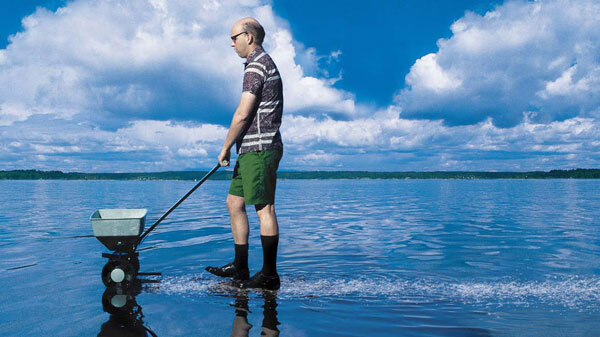
Keep fertilizer out of our waters. Photo credit: Suffolk County Healthy Lawns, Clean Water
Feeling Inspired? Commit to Personal Steps to Reduce Nitrogen Pollution!
Long Island Garden Rewards
The highly successful reimbursement program, Long Island Garden Rewards, will be opening in a few weeks! This program provides property owners reimbursements up to $500 for planting native plants, utilizing rain barrels, and/or creating a rain garden on their property. These practices play a key role in treating stormwater runoff, reducing fertilizer usage, and promoting water conservation. Visit the webpage here to learn more about what is eligible for reimbursement and keep an eye out for the LINAP special announcement when the application opens!
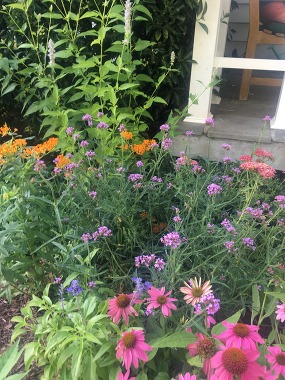
Pollinator Garden from a Past Long Island Garden Rewards Participant. Photo Credit: Long Island Garden Rewards
Nitrogen Reduction Pledge
Take the Nitrogen Reduction Pledge today! Small steps can lead to big changes and there are plenty of actions we can take to reduce nitrogen in our waterways and create a cleaner future for our most precious resource. Take the pledge and be recognized as a leader in our community that takes action for a cleaner and healthier environment. Click here to take the pledge!
Connect with Us!
|