|
In this issue:
There is still time to participate and get up to $60 back on your purchase of lead-free ammunition for the 2024-25 deer season.
DEC is part of a collaborative project with Conservation Science Global, the Cornell Co-operative Wildlife Research Unit, and United States Geological Service that is investigating how the voluntary use of lead-free ammo during the deer hunting season can improve the health of bald and golden eagles. Please visit the project website for more information, assistance with finding lead-free ammunition, and how to sign up to receive your rebate.
As part of this collaborative project, partners are also investigating scavenging dynamics at gut piles. If you are interested in volunteering to place a trail camera at the gut pile of a deer you harvest, please visit the Northeast Gut Pile Project website for all necessary information.
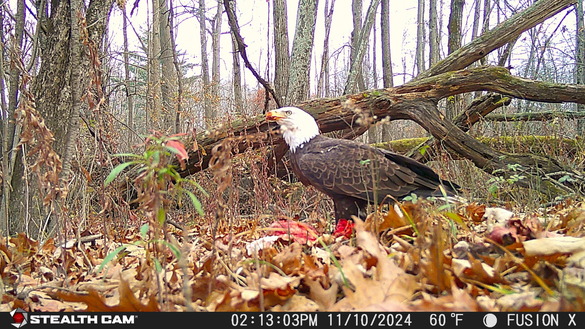
Bald eagle consuming the gut pile of a harvested deer
DEC encourages beaver trappers to visit specific Wildlife Management Areas and State Forests where beaver activity is causing damage to roads, trails, and other features during the upcoming trapping season, which runs until April 7, 2025.
Beaver populations have grown significantly at these locations, making it more challenging to manage water levels on the ponds, marshes, and impoundments.
The Bureau of Wildlife is asking trappers to consider beaver trapping on the following areas:
Allegany County:
- Keeney Swamp WMA – Town of Birdsall
- Hanging Bog WMA – Town of New Hudson
Cattaraugus County:
- Allegheny Reservoir WMA – Town of South Valley
- Birch Run Ponds WMA – Town of Allegany
- Harwood Lake MUA – Town of Farmersville
Chautauqua County:
- Boutwell Hill State Forest- Town of Cherry Creek
- Kabob WMA –Town of Stockton
- Watts Flats WMA – Town of Harmony
Onondaga County:
- Three Rivers WMA – Town of Lysander
Oswego County:
- Happy Valley WMA – Towns of Albion, Parish, Williamstown & Amboy
For more information about trapping opportunities at these or other locations, please contact your DEC Regional Wildlife Office.
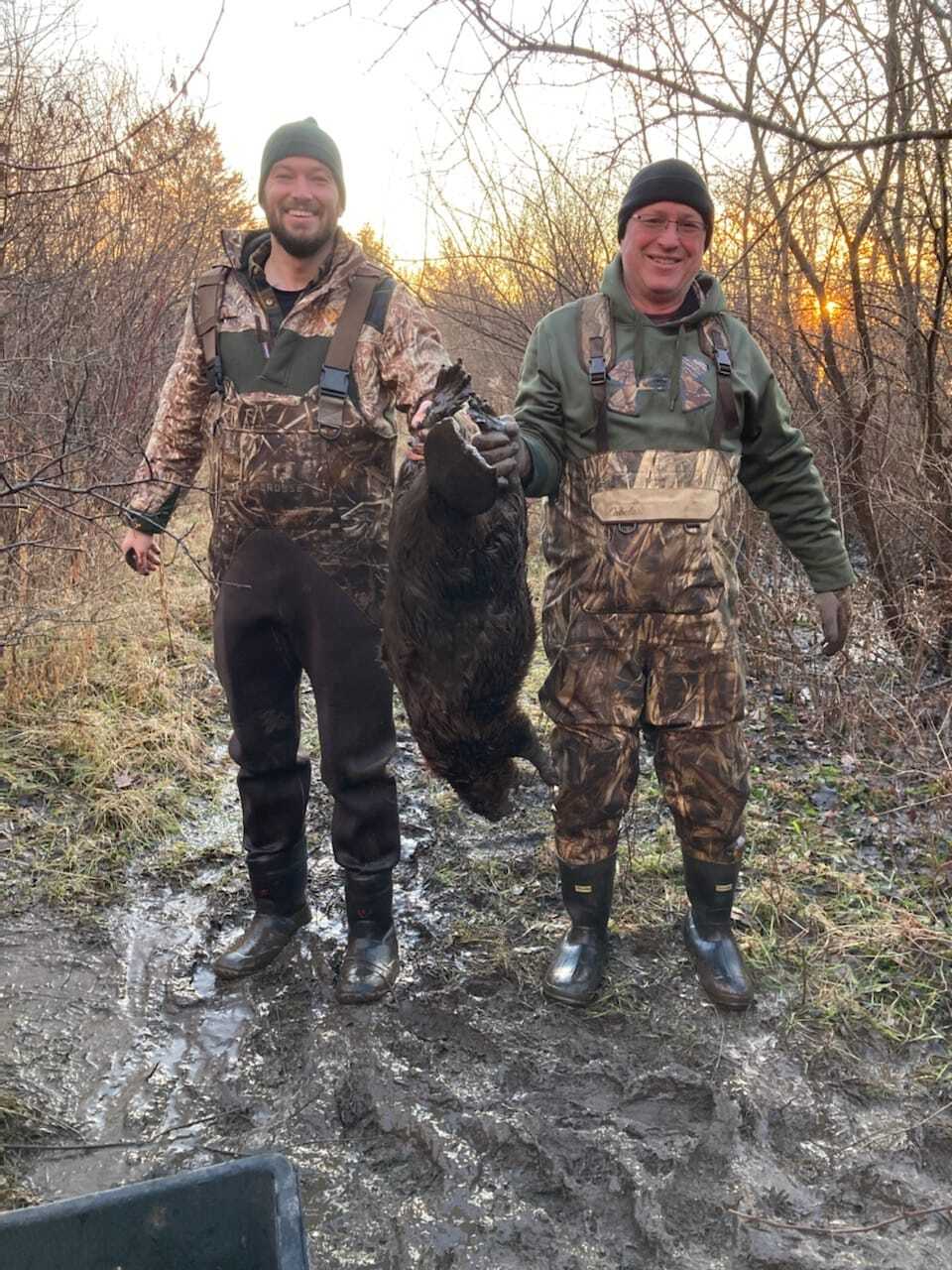
Two Hunters Holding Beaver by Eric Riegel
For the 2024-25 hunting season DEC modernized the hunting license printing process by changing the paper used for hunting licenses and tags from special stock synthetic paper to plain paper. This change made it easier for hunters to purchase their license online and print their license and tags at home. However, this change requires hunters to take additional steps to protect their tags so that the tag remains intact, legible, and visible during and after transport as required by law. It’s also important to remember that carcass tags need to be filled out upon harvest but do not need to be attached to harvested deer or bear until arrival at home, camp, or a vehicle.
Some Dos and Don’ts for How to Tag Your Harvested Deer this Season
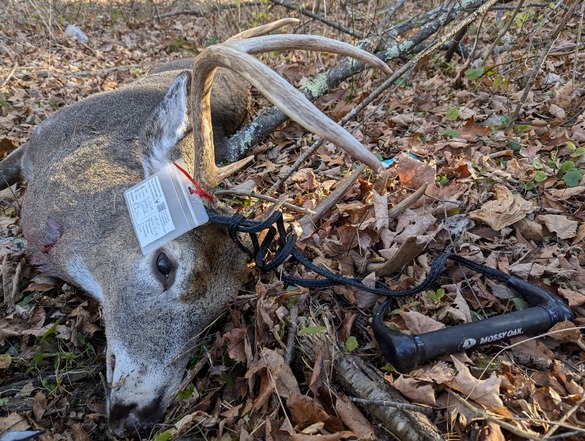
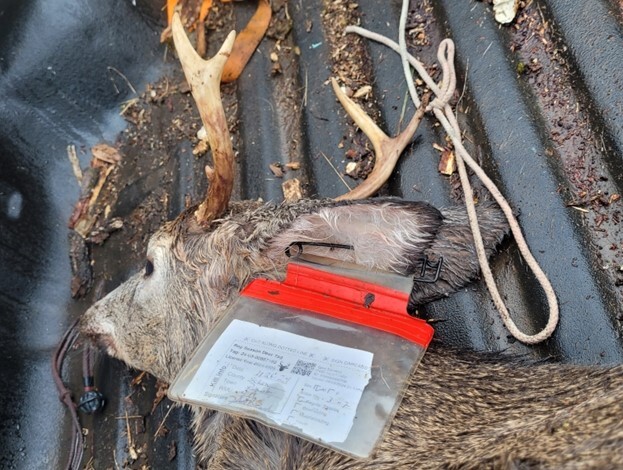
DO: Place your completed tag in a clear plastic ID holder or luggage tag and attach it to the deer’s antler or leg.
Deer with tag correctly attached to antler
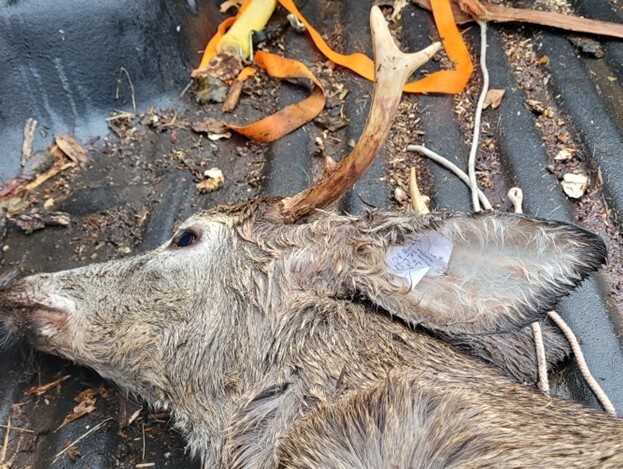
DON’T: Shove the unprotected tag in the deer’s ear.
Deer with an unprotected tag improperly placed in the ear
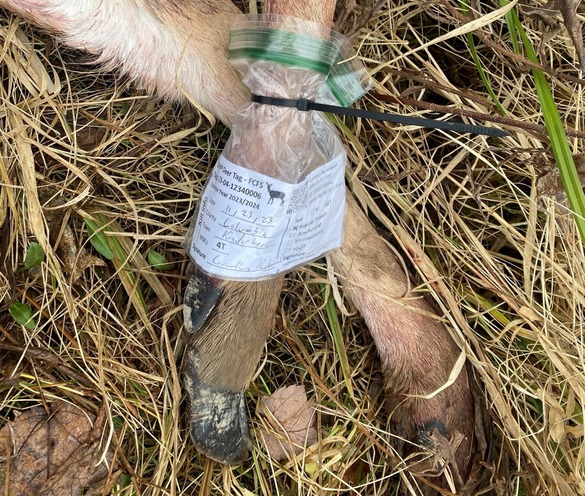
DO: Place your completed tag in a clear plastic sandwich bag and secure it to the deer’s antler or leg.
Deer with tag correctly attached to leg
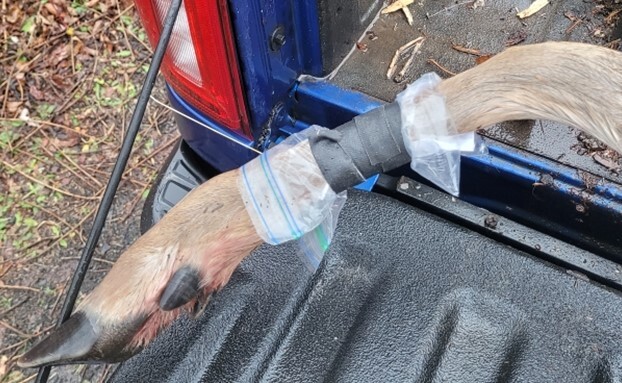
DON’T: Block the tag from being visible.
Deer with tag incorrectly attached with tape covering tag
DO: Use your old back tag holder to protect your tag and pin it to the deer’s ear (wearing a back tag is no longer required in New York).
Deer with tag correctly attached to ear using old back tag holder
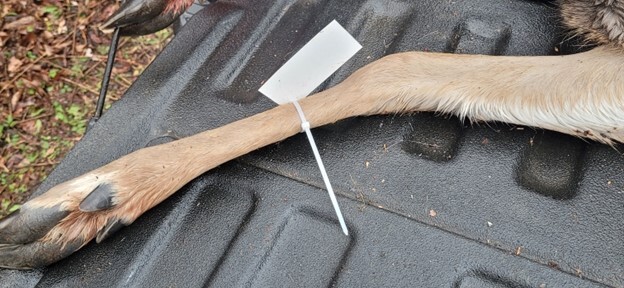
DON’T: Leave your tag unprotected and exposed to the elements.
Deer with tag incorrectly attached to leg
|